

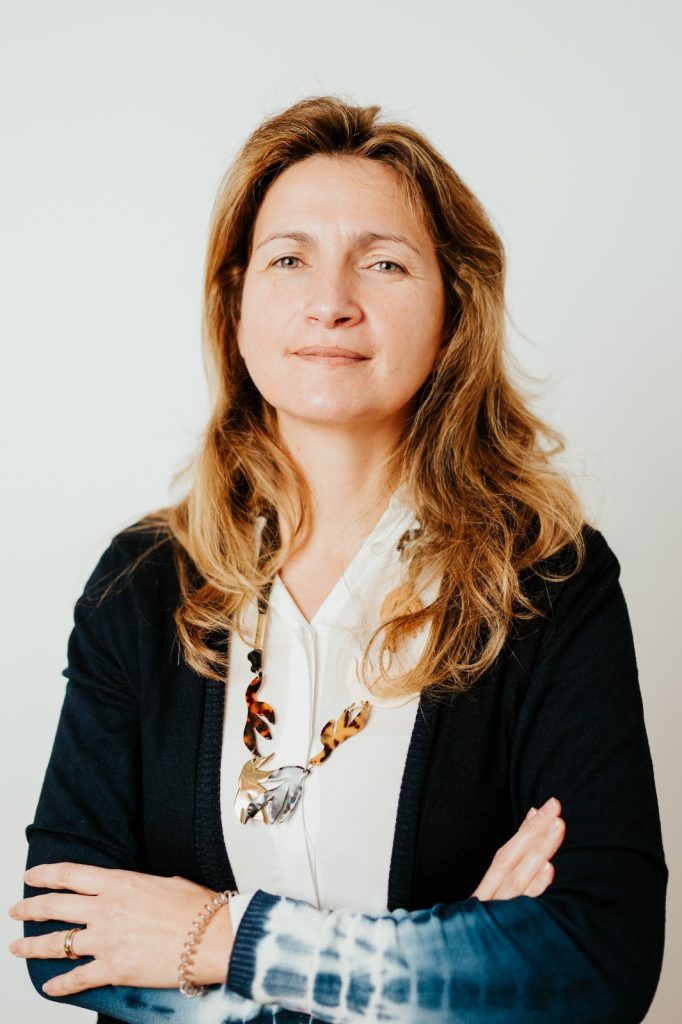
For ten years, Portuguese researcher Cátia Reis has used Condor Instruments’ actigraphs in research on sleep and biological rhythms. From scientific research to teaching physicians and researchers, the partnership reflects the evolution of a technology developed in Brazil.
Sleep research means investigating one of the most essential processes for the body’s functioning. Actigraphy has become a central tool in this field precisely because it allows continuous, objective monitoring of activity and rest rhythms — whether in a controlled setting or throughout participants’ real-life routines.
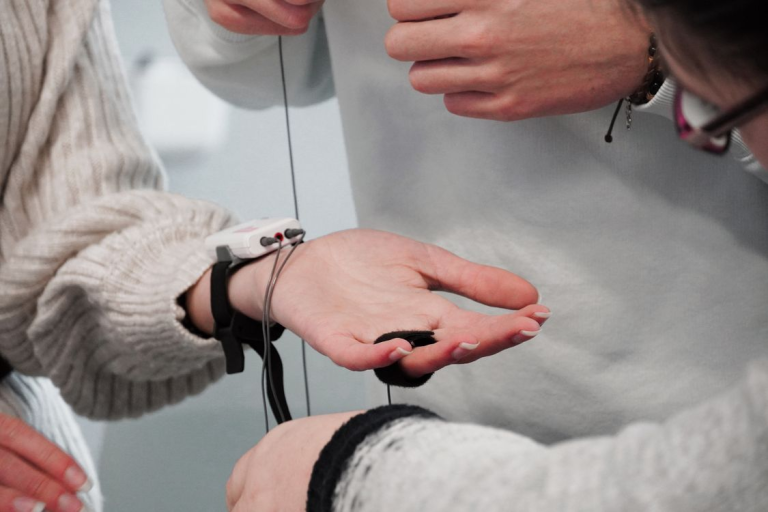
It was in this context that Portuguese researcher Cátia Cristina Peixinho Reis first encountered Condor Instruments. Holding a PhD in Environmental Health from the Faculty of Medicine of the University of Lisbon, and working as a professor and researcher in the fields of sleep and biological rhythms, Cátia works with a wide range of populations and settings, including the general population, athletes, military personnel, and patients.
Her connection with Condor began in 2016, when her mentor, Till Roenneberg, introduced her to the company’s founders, Rodrigo Trevisan Okamoto and Luis Filipe Rossi. At the time, Condor was still in an early stage of development.
Since then, Cátia has closely followed the evolution of the actigraphs and has even contributed suggestions for the equipment’s development, including aspects related to report design and the most relevant information for data evaluation.
Technology That Evolved Alongside the Research
Before working with Condor’s devices, Cátia had already been using actigraphy and had experience with solutions from companies such as Philips and Somnomedics. This exposure to different technologies allowed her to identify features she considered especially relevant in Condor’s equipment.
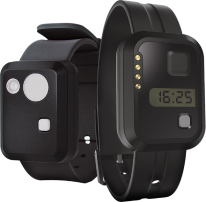
Among them were the durability of the early versions, battery autonomy, and, above all, the device’s ability to record different types of light exposure data.
“I found it really robust that it captured light across the spectrum, not just total light,” the researcher explains. She also highlights the temperature channel, which she considers particularly useful for identifying periods with missing data.
For studies on biological rhythms, this kind of information matters because it allows researchers to observe how the body behaves in relation to the environment and reconstruct patterns that a single variable alone would not capture.
Close Support, From the Lab to the Classroom
For Cátia, however, technology is only part of the experience. One of Condor’s key differentiators is the support it offers researchers — something that, in scientific projects with strict protocols, deadlines, and the need for consistent data collection, can directly impact how research progresses.
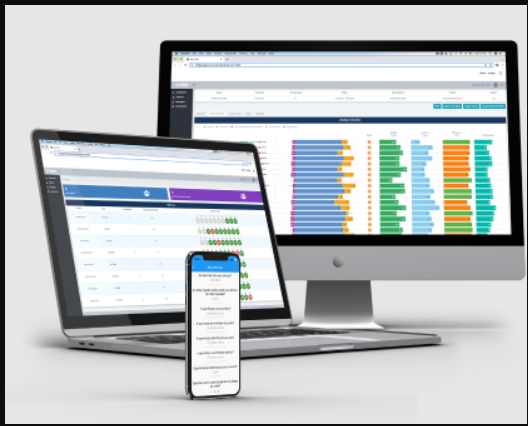
This close relationship extends to teaching as well. As a professor, Cátia uses the company’s equipment and software in actigraphy-related coursework, and highlights the ability to make the software available to students without needing to purchase multiple licenses. This gives students hands-on experience with the technology during class and helps them learn to interpret actigraphy data in an academic setting.
Cátia also coordinates courses focused on teaching actigraphy to physicians, training professionals in sleep medicine and circadian rhythms.
The platform’s ease of use is what allows her to serve such a diverse audience — academic researchers, professors, and clinicians who need to work with the data without relying on advanced programming skills. “Their software is very intuitive and easy to work with,” Cátia says.
Ten Years Following the Evolution of Sleep Science
A decade after her first contact with Condor Instruments, Cátia continues to use and recommend the equipment in her work. Her journey shows how a technology built for research can find a place across many areas of science — from the lab to the classroom, through studies with diverse populations, and in the training of new professionals.
For us, this journey reflects exactly what we aim for when developing technology in direct contact with those on the front lines of research: listening, learning, and turning that knowledge, year after year, into solutions increasingly aligned with the needs of those who study sleep.