



Healthcare researchers increasingly seek objective methods to understand how behavior changes across days, weeks, and months. Traditional assessments provide snapshots
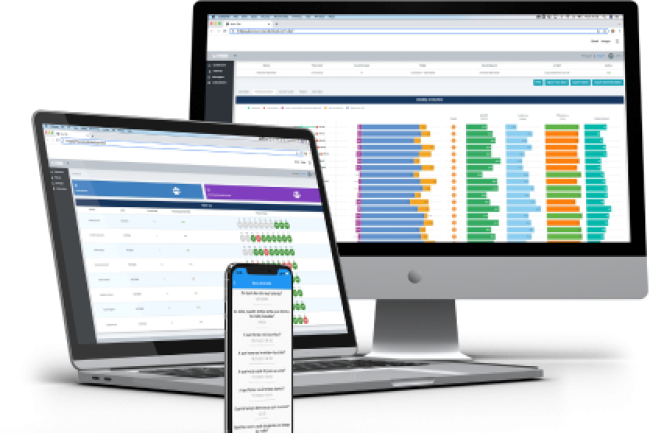
Clinical sleep research continues to expand beyond traditional laboratory settings. Research teams now conduct multicenter studies across cities, countries, and
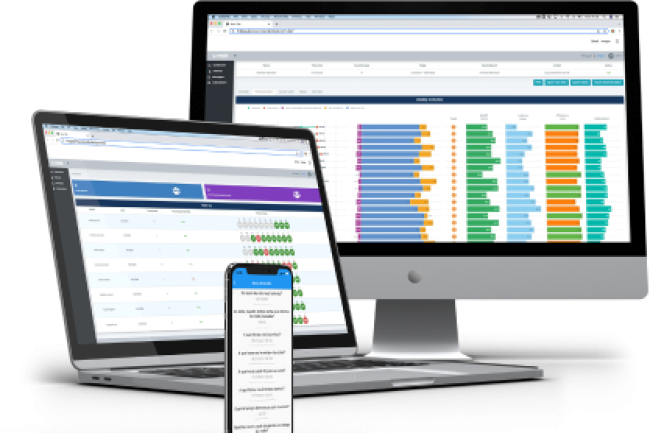
Real-time sleep monitoring continues to reshape modern sleep research. Research teams now collect continuous physiological and behavioral data while maintaining closer
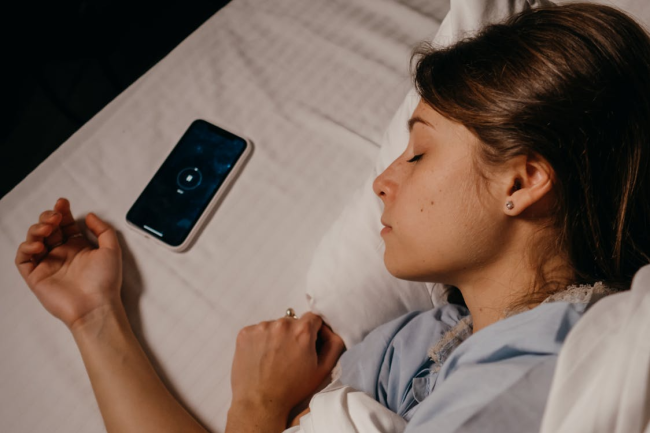
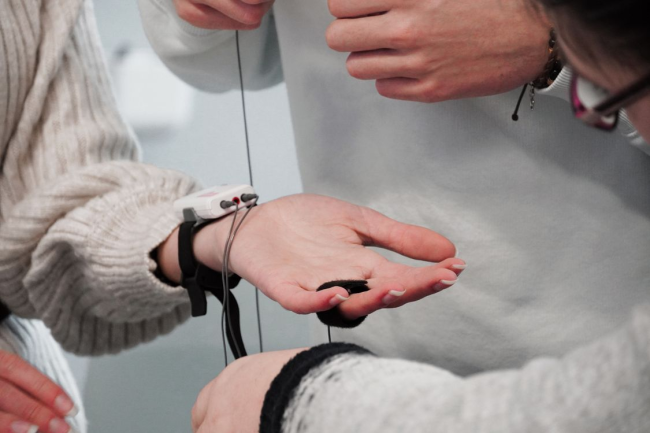
Wearable event marker research reshapes how physicians and sleep researchers interpret physiological signals in longitudinal studies. Raw Actigraph data alone rarely
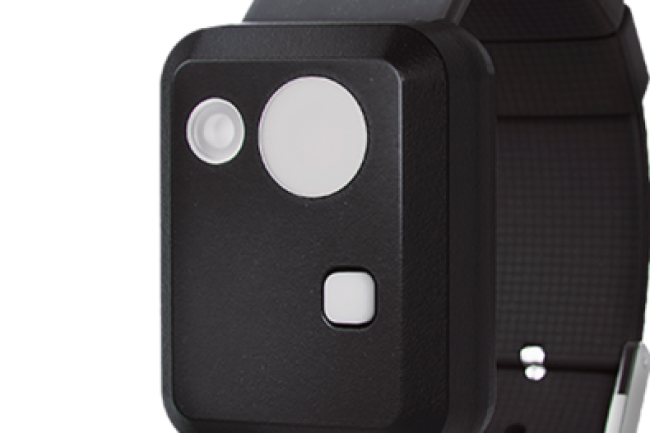
Clinical research depends on reliable data. Every gap, inconsistency, or misinterpretation can affect study outcomes and clinical decisions. Off-wrist detection

Circadian research now depends on precise environmental data, not estimates or retrospective reporting. Researchers and sleep specialists need reliable ways
Sleep laboratories, clinical researchers, and translational medicine teams now face a common challenge. Large datasets arrive from multiple systems, yet
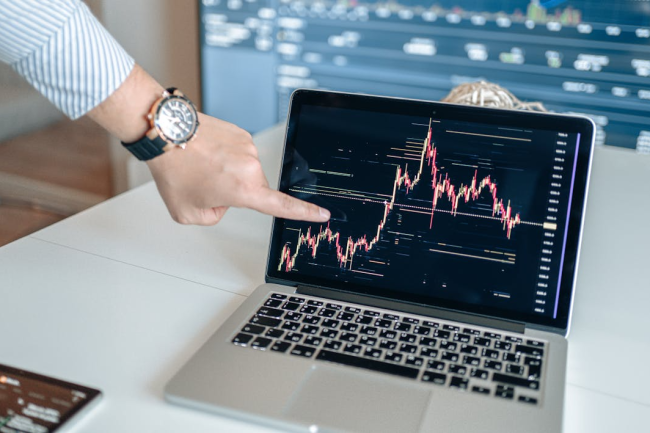
Sleep researchers and clinicians rely on actigraphy to study sleep behavior outside laboratory settings. Yet real-world environments rarely stay consistent.