

Wearable event marker research reshapes how physicians and sleep researchers interpret physiological signals in longitudinal studies. Raw Actigraph data alone rarely explains behavior, medication effects, or symptom fluctuations. Researchers now integrate participant-triggered markers to anchor real-world context directly into Actigraphy datasets.
Sleep specialists increasingly combine Actigraphy with structured reporting tools such as a Sleep diary, Sleep diary app, Sleep journal app, and Sleep diary for research protocols. These tools improve interpretability and strengthen clinical conclusions. A Digital sleep diary often bridges the gap between subjective experience and objective sensor outputs, especially in complex sleep disorder cohorts.
The Role of Event Markers in Actigraphy Studies
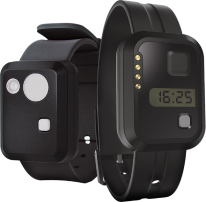
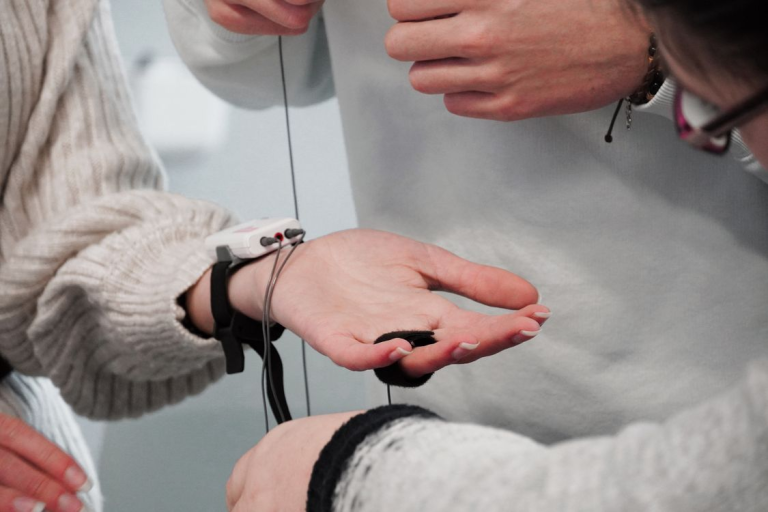
Researchers use Actigraph devices to collect continuous movement and light exposure data. However, sensor streams lack semantic meaning unless participants add context. Event markers solve this limitation by allowing patients or study subjects to tag meaningful moments during recording periods.
Clinicians rely on wearable event marker research to identify key transitions such as:
- Medication intake
- Sleep onset attempts
- Night awakenings
- Symptom flare-ups
- Behavioral interventions
These markers allow researchers to align Actigraphy outputs with real-world events rather than relying on post-hoc recall.
Improving Sleep Research Through Structured Diaries
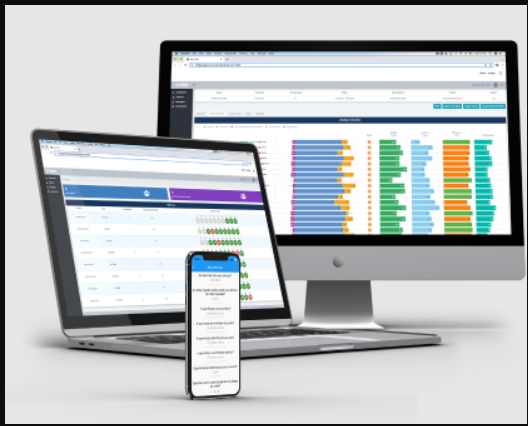
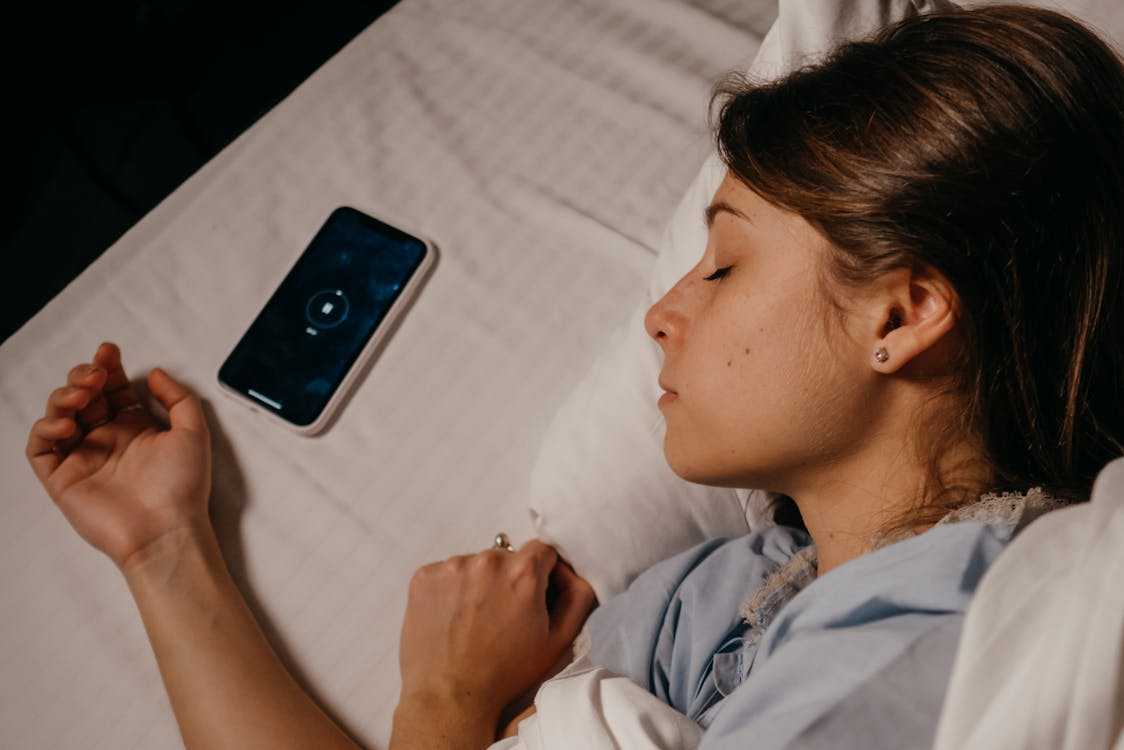
Sleep researchers often pair Actigraphy with structured Sleep diary systems to validate behavioral data. A Sleep diary app or Sleep journal app helps participants log subjective sleep quality, latency, and disturbances in real time. This dual-layer approach improves accuracy in the sleep diary for research studies.
A Digital sleep diary strengthens compliance in longitudinal trials by reducing recall bias. Participants record entries immediately, while event markers capture critical moments that influence sleep pattern interpretation.
Clinicians frequently compare Actigraphy-derived sleep metrics with Sleep diary entries to identify discrepancies. These mismatches often reveal behavioral patterns that raw sensor data alone cannot explain.

Event Markers and Medication Tracking in Clinical Studies
Physicians use Actigraphy combined with event markers to evaluate medication response in sleep disorders, psychiatric conditions, and chronic illness management. Participants log medication intake directly into wearable systems or linked Sleep diary apps.
This approach allows researchers to:
- Correlate pharmacological interventions with sleep efficiency changes
- Track onset and offset of drug effects
- Assess adherence in real-world conditions
Wearable event marker research supports stronger causal interpretation in longitudinal pharmacology studies.
Behavioral Interventions and Real-Time Logging
Sleep researchers often design behavioral interventions targeting insomnia, circadian rhythm disorders, or stress-related sleep disruption. Event markers provide time-stamped confirmation of participant actions such as relaxation exercises, stimulus control therapy, or bedtime adjustments.
A Sleep diary for research combined with Actigraphy ensures that behavioral data does not rely solely on memory-based reporting. This structure enhances trial integrity and improves reproducibility.
Integrating Light Exposure and Activity Data
Modern Actigraphy devices incorporate a Light Sensor to capture environmental exposure that influences circadian rhythms. Researchers analyze light exposure alongside event markers to understand sleep phase shifts and melatonin disruption patterns.
This integration supports advanced longitudinal analysis where environmental context plays a critical role. For example, researchers can correlate late-night light exposure markers with delayed sleep onset captured in Actigraphy.
Limitations of Sensor-Only Approaches
Actigraphy alone cannot explain subjective sleep quality or behavioral intent. Researchers often encounter limitations when they rely solely on movement and light data without contextual tagging.
Sleep diary tools and wearable event markers fill this gap by adding interpretive depth. Without these systems, clinicians risk misclassifying rest periods or overlooking behavioral triggers that influence sleep outcomes.
Clinical Research Applications
Physicians and sleep specialists increasingly integrate multi-source datasets in:
- Insomnia treatment trials
- Circadian rhythm disorder research
- Psychiatric sleep comorbidity studies
- Pharmacodynamic sleep response tracking
Wearable event marker research improves data fidelity across all these domains by linking physiological signals with patient-reported context.
Transitioning from Legacy Systems
Research institutions that previously relied on older Actigraph systems now evaluate modern alternatives for continuity in longitudinal studies. Many teams seek updated Actigraphy solutions that maintain compatibility with established Sleep diary workflows and event marker protocols.
Organizations transitioning from discontinued Philips actigraph systems often assess new platforms that support scalable data collection, integrated Light Sensor tracking, and robust event marker logging for clinical research environments.

Condor Instruments: Advancing Clinical-Grade Actigraphy Research
Condor Instruments supports sleep specialists, physicians, and clinical researchers who require reliable Actigraphy systems for longitudinal studies. As research institutions move away from discontinued Philips actigraph platforms, Condor Instruments provides solutions designed for event marker integration, Light Sensor data capture, and a structured sleep diary for research workflows.
Its Actigraphy-focused technology enables accurate contextual mapping of physiological data through digital sleep diary app compatibility, strengthening study design in both hospital-based and field research environments. Condor Instruments helps research teams maintain continuity while advancing data quality in modern sleep science. Get in touch now.