

Sleep and Health

Browse by month
Browse by year
Home / Blog / Sleep and Health
Illustrated cover: a luminous data ribbon crossing sleep, wear-time and light-environment contexts

Wearable Light Data Quality: Signal Needs Context

Wearable light data quality depends on context: an expert-built framework pairs auxiliary data with QA/QC to make field light signals
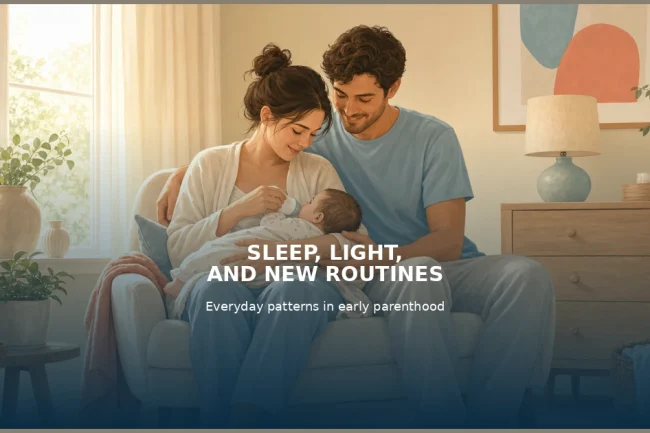
Illustrated young couple with their infant in warm daylight, representing sleep, light and new routines in early parenthood

What Sleep and Light Look Like for Parents of Young Infants

Two weeks of wearable light and sleep monitoring in parents of young infants: fragmented nights, dim daytime light, and high
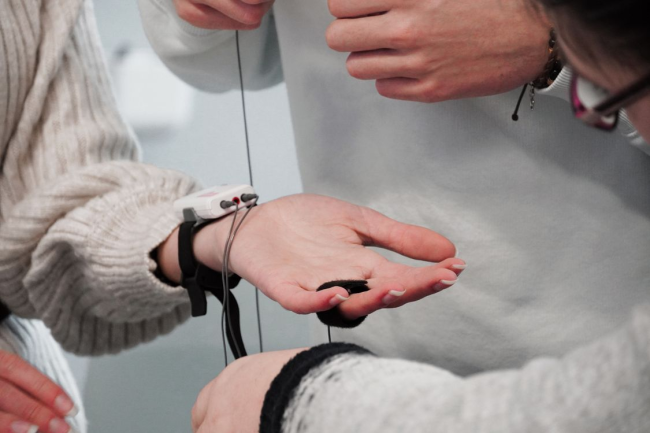
Research participant wearing a wrist device during continuous behavioral monitoring.

Measuring Human Behavior Continuously: The Future of Digital Phenotyping

Healthcare researchers increasingly seek objective methods to understand how behavior changes across days, weeks, and months. Traditional assessments provide snapshots
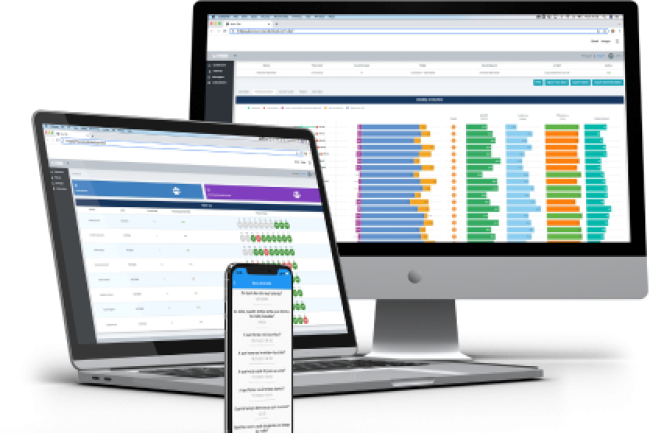
Digital research platform displayed across desktop, laptop, and mobile devices for managing decentralized sleep monitoring studies.

Remote Sleep Research at Scale: Designing Decentralized Monitoring Protocols

Clinical sleep research continues to expand beyond traditional laboratory settings. Research teams now conduct multicenter studies across cities, countries, and
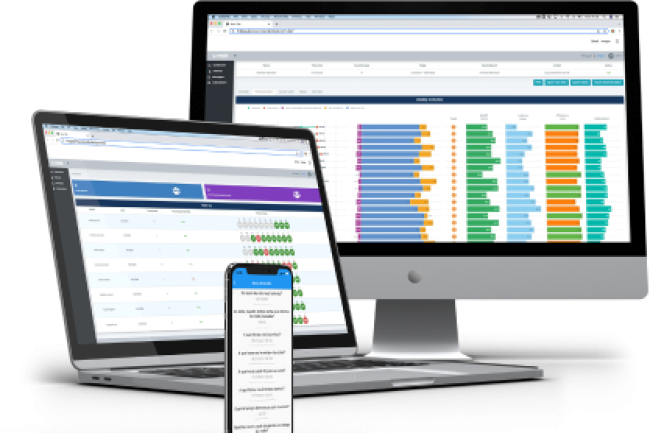
Digital sleep research platform displaying participant monitoring data across desktop and mobile devices for real-time study management.

Real-Time Monitoring in Sleep Research: Opportunities and Operational Challenges

Real-time sleep monitoring continues to reshape modern sleep research. Research teams now collect continuous physiological and behavioral data while maintaining closer
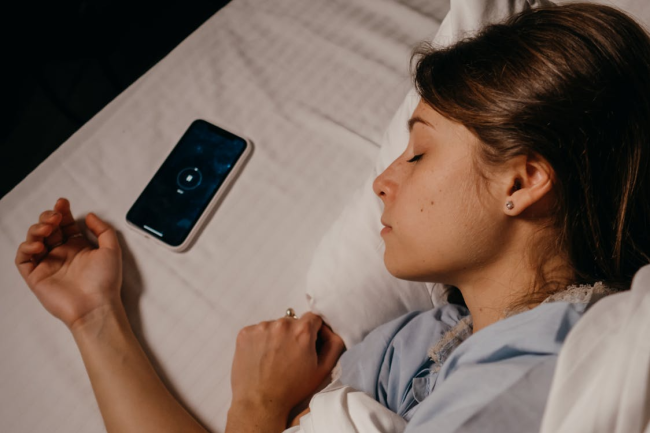
Participant sleeping beside a smartphone used to record event markers and contextual information during a longitudinal monitoring study.

Event Markers in Longitudinal Studies: Capturing Context Alongside Sensor Data

Wearable event marker research reshapes how physicians and sleep researchers interpret physiological signals in longitudinal studies. Raw Actigraph data alone rarely
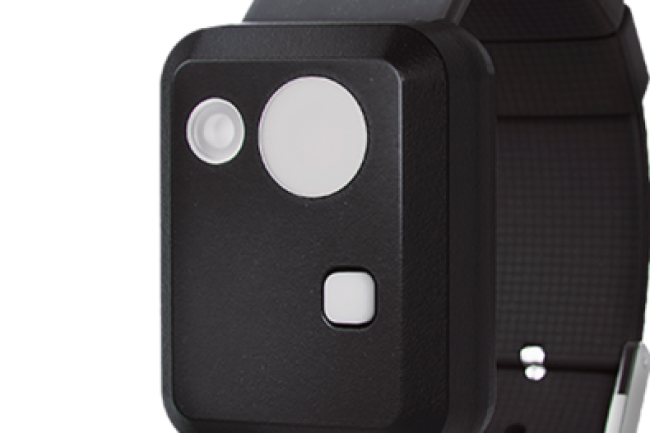
Wrist-worn monitoring device equipped with sensors used to detect wear compliance and off-wrist periods during research studies.

Off-Wrist Detection Technology: Improving Data Confidence in Wearable Studies

Clinical research depends on reliable data. Every gap, inconsistency, or misinterpretation can affect study outcomes and clinical decisions. Off-wrist detection
Individual sleeping indoors during overnight monitoring related to circadian rhythm and light exposure research

Light Exposure and Circadian Entrainment: Leveraging Integrated Sensors in Wearables

Circadian research now depends on precise environmental data, not estimates or retrospective reporting. Researchers and sleep specialists need reliable ways
Person resting on a couch with eyes closed during fatigue recovery or sleep-related observation

Multimodal Sleep Data Fusion: Integrating Actigraphy, PSG, and Physiological Signals

Sleep laboratories, clinical researchers, and translational medicine teams now face a common challenge. Large datasets arrive from multiple systems, yet
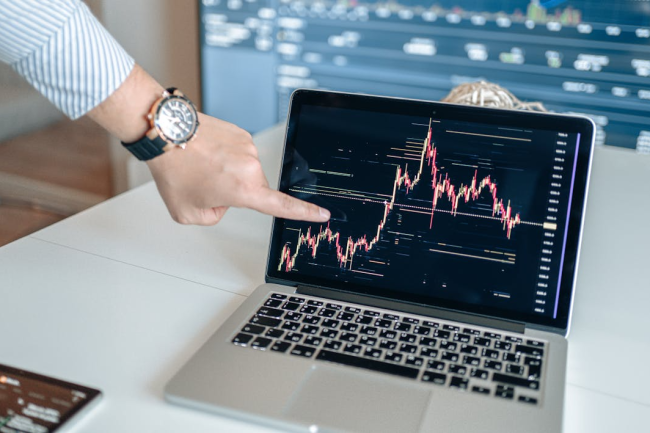
Researcher reviewing digital sleep-related data patterns used to assess environmental influences on monitoring outcomes

Environmental Context in Sleep Monitoring: Accounting for Real-World Variability

Sleep researchers and clinicians rely on actigraphy to study sleep behavior outside laboratory settings. Yet real-world environments rarely stay consistent.