

Scientific innovation goes beyond having high-tech equipment. It depends on relationships of trust, specialized technical support, and partnerships capable of driving the development of new research.
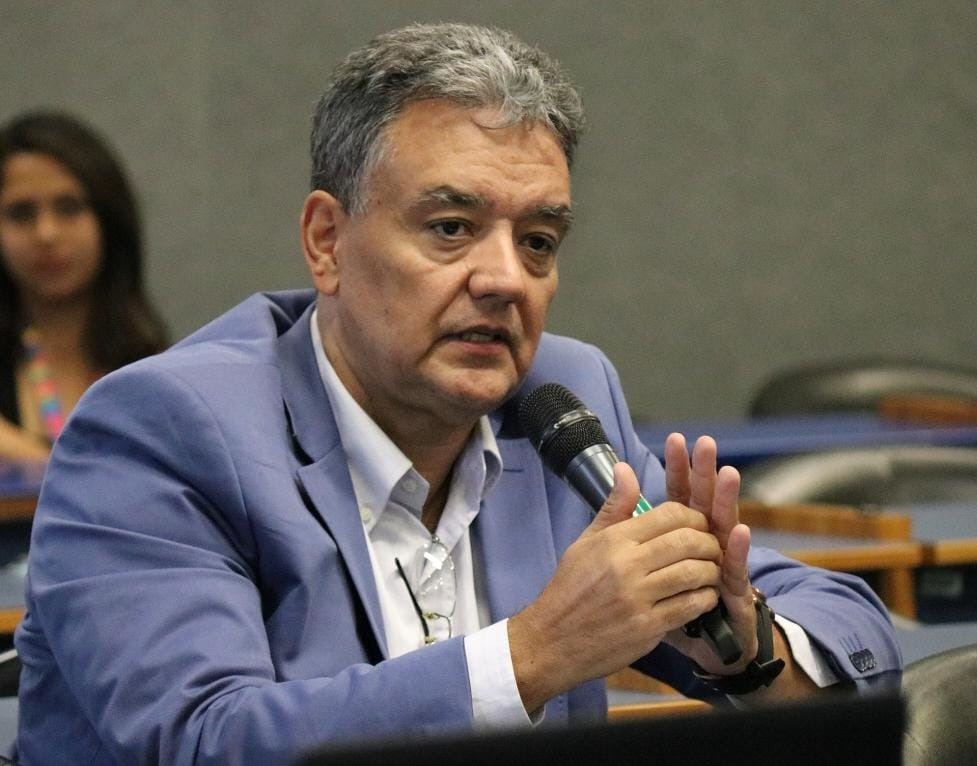
That is the view of Professor Marco Túlio de Mello, one of the world’s most influential researchers according to the Stanford/Elsevier ranking, which highlights the Condor Instruments’ as a strategic partner for the advancement of science in Brazil.
According to him, the partnership goes beyond the supply of equipment and translates into ongoing collaboration to overcome the challenges faced by those who produce science in the country.
“There is a relationship of trust in which everyone seeks to contribute so that research can move forward.”
This closeness allows researchers to count on agile technical support and a company committed to understanding the real needs of those on the front line of scientific production.
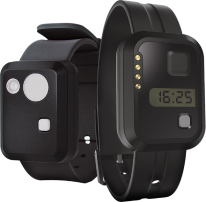
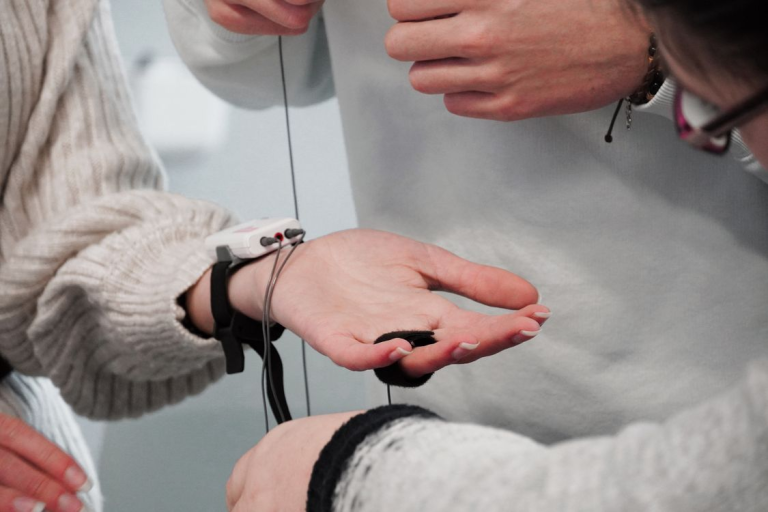
Another highlight pointed out by the researcher is the quality of Condor Instruments’equipment. Besides activity monitoring, the devices offer features that expand analysis possibilities, such as:
• skin temperature;
• ambient temperature;
• light exposure;
• advanced algorithms for data processing.
These features allow for more comprehensive analyses, enrich data interpretation, and make the development of studies more efficient.
The importance of investing in Brazilian technology
For those working in scientific research, relying exclusively on imported equipment can pose several challenges, such as import processes, high costs, complex maintenance, and longer wait times for component replacement.
That is why Marco Túlio emphasizes the importance of strengthening Brazilian companies that invest in research, development, and innovation.
“We know how hard it is to compete in an international market, but strengthening national innovation is essential for the growth of science.”
Besides broadening access to technology, solutions developed in Brazil offer closer service, specialized support, and greater agility in equipment maintenance.
Presence in research with workers and athletes
The partnership between Condor Instruments’ and the Multidisciplinary Center for Sleepiness and Accidents (CEMSA) has contributed to research focused on health, sleep, human performance, and worker safety.
The equipment is also used by CEPE, a research center for athletes, supporting studies related to athletic performance and physical recovery.
According to Marco Túlio, the data generated by Condor’s devices have significantly contributed to the development of this research.
Besides using the technology in his own studies, Marco Túlio states that he recommends Condor Instruments’ technology to universities and research centers across the country.
The trust built over the years reflects a shared commitment: to develop solutions that contribute to the advancement of Brazilian science, offering quality technology, specialized support, and innovation developed in Brazil.
When companies and researchers work side by side, innovation stops being just a technological advance. It turns into knowledge, strengthens Brazilian science, and generates concrete benefits for society as a whole.