


In today’s fast-paced world, lighting design has evolved beyond mere aesthetics and functionality. The way light affects human biology, particularly our circadian rhythms, has become a focal point for professionals in fields such as architecture, healthcare, and research. At the heart of this evolution is melanopic light measurement, a critical factor in designing environments that align with the body’s natural sleep-wake cycle.
What is Melanopic Light?
Melanopic light is the specific wavelength that influences the production of melatonin, a hormone that regulates sleep. Our circadian rhythms are highly sensitive to light, particularly blue light, which is detected by melanopsin-containing cells in the retina. Exposure to this type of light at the wrong time can disrupt sleep patterns, leading to poor health outcomes such as insomnia, mood disorders, and fatigue.
With the increasing awareness of the effects of light on health, melanopic light measurement has become essential for creating well-designed environments. Accurately measuring the melanopic content of light allows designers to craft spaces that support human well-being by minimizing circadian disruption.
The Role of Melanopic Light Measurement in Lighting Design
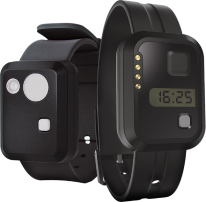
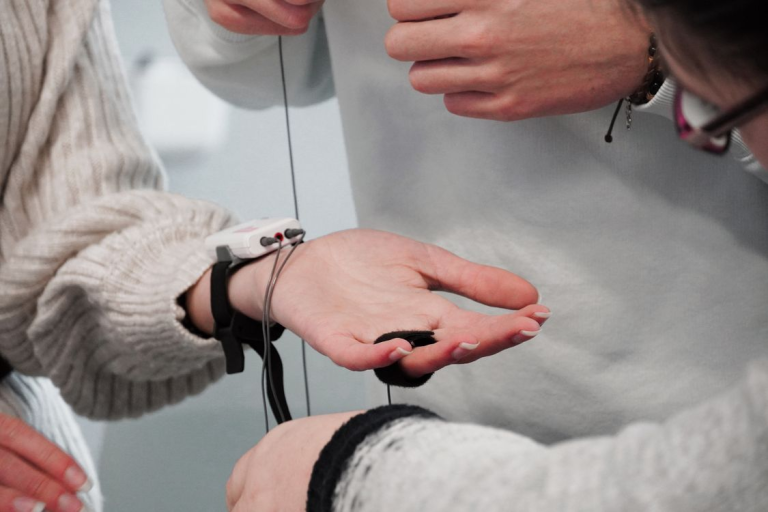
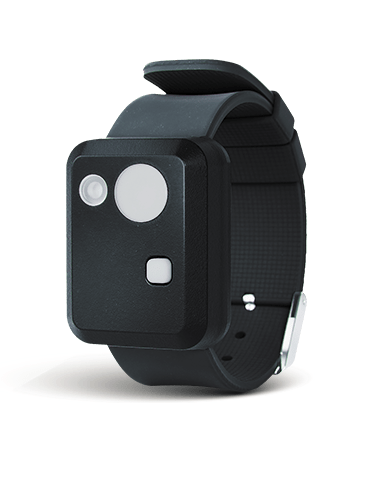
Melanopic light measurement helps professionals assess the intensity and type of light interacting with the body’s circadian system. Using advanced tools like the Melanopic Light Sensor or Melanopic EDI Sensor, designers can evaluate the impact of light in various environments, from homes and offices to hospitals and schools.
The data gathered from melanopic light loggers enables designers to make informed decisions about the placement, intensity, and type of lighting used in different spaces. For example, warmer, lower-intensity lighting with minimal melanopic content is ideal for bedrooms or evening settings, as it promotes melatonin production and prepares the body for sleep. In contrast, environments that require alertness, like offices, may benefit from higher melanopic content during the day to boost wakefulness and productivity.
Benefits of Melanopic Light Measurement in Sleep Health
Properly implemented melanopic light measurement is a game-changer for improving sleep health. By understanding how light influences circadian rhythms, lighting designers can help create environments that promote restful sleep and overall well-being.
For instance, hospitals and healthcare facilities incorporating melanopic light measurement into their design can improve patient recovery outcomes by minimizing circadian rhythm disruption. Additionally, workplaces that use lighting solutions based on melanopic light measurement can enhance employee well-being, reduce fatigue, and even improve productivity.
Lighting that aligns with our biological needs is also becoming more common in homes. By integrating melanopic light measurement into residential lighting design, individuals can create spaces that promote relaxation and better sleep hygiene. Smart lighting systems that automatically adjust based on the time of day or the amount of natural light are becoming increasingly popular as part of this movement.
Conclusion
The importance of melanopic light measurement in modern lighting design cannot be overstated. As we continue to learn more about the profound impact of light on our circadian rhythms, designers are now tasked with creating environments that support health and well-being. Accurate measurement of melanopic light is key to achieving this balance.
For professionals in architecture, lighting design, and healthcare, adopting melanopic light measurement tools like Melanopic Light Sensors and Melanopic EDI Sensors can lead to more effective, health-conscious designs that positively influence sleep patterns and overall wellness.
Enhance your research and diagnostics with Condor Instruments’ advanced actigraphy solutions. Explore our ActLumus, ActTrust, and Sleep Diary apps to gain precise insights into sleep patterns and environmental factors. Contact Condor Instruments to discover how our innovative tools can support your work and improve patient outcomes.