


Sleep studies have traditionally relied on in-lab monitoring to diagnose sleep disorders and analyze sleep patterns. While this method provides detailed data, it also has limitations. Advances in technology have led to the rise of wearable devices that offer real-world sleep tracking, giving researchers and medical professionals a more accurate understanding of sleep behavior. Actigraphy has become a key tool in this shift, allowing for long-term, non-invasive monitoring outside of a controlled lab setting.
The Limitations of In-Lab Sleep Studies
For decades, polysomnography (PSG) has been the gold standard for sleep research. This method requires participants to sleep in a controlled environment while being monitored for brain activity, heart rate, breathing, and movement. While effective, it is costly, time-consuming, and often uncomfortable for participants. Sleeping in a lab does not always reflect real-world sleep patterns, leading to potential inaccuracies in diagnosing conditions like insomnia, sleep apnea, and circadian rhythm disorders.
Another challenge is the limited duration of in-lab studies. PSG is usually conducted over one or two nights, which may not capture long-term sleep trends. Sleep disorders can be inconsistent, meaning a single night of data may not provide a full picture of a person’s sleep health. These limitations have driven the search for alternative methods that provide continuous monitoring in natural environments.
The Rise of Wearable Sleep Tracking
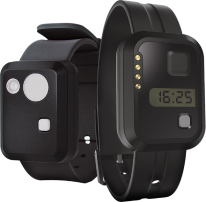
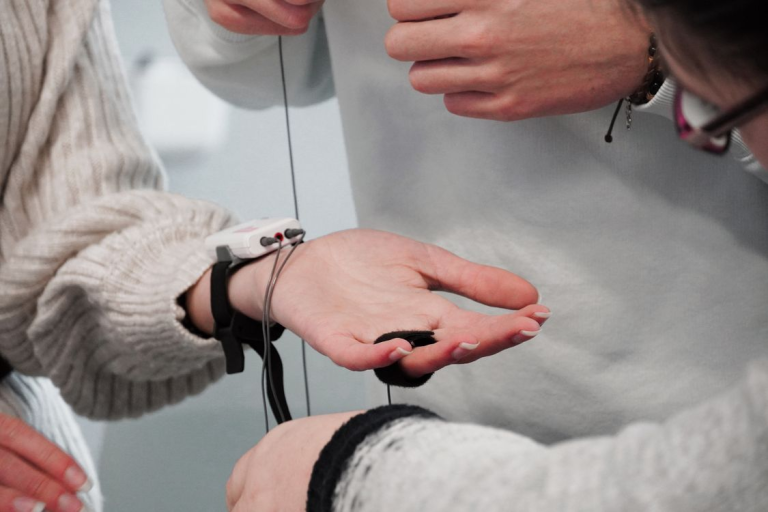
Wearable devices have changed how sleep is studied. Actigraphy, which uses a wrist-worn device called an actigraph, allows for non-intrusive monitoring of sleep-wake patterns over days or even weeks. Unlike consumer sleep trackers, actigraphy devices are designed for medical and research use, providing validated data on sleep duration, efficiency, and disturbances.
What Are The Advantages?
One of the biggest advantages of wearable sleep tracking is its ability to capture sleep behavior in everyday settings. Factors such as stress, noise, and light exposure can impact sleep, and actigraphy enables researchers to measure these influences accurately. Long-term data collection also makes it easier to track improvements or worsening sleep disorders over time.
Wearable technology has made sleep research more accessible. Instead of requiring overnight stays in a sleep clinic, actigraphy allows participants to continue their daily routines while their sleep is being monitored. This convenience has led to broader studies involving diverse populations, improving the overall understanding of sleep health.
The Future of Sleep Monitoring
The transition from lab-based sleep studies to wearable technology has made sleep research more accurate and practical. Actigraphy provides continuous, real-world data that is essential for diagnosing sleep disorders and understanding the effects of environmental factors on sleep. As technology continues to advance, wearable devices will become even more sophisticated, improving the quality and reliability of sleep research.
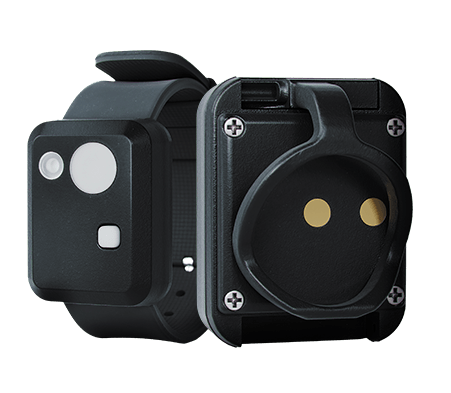
For those looking for high-quality sleep monitoring tools, Condor Instruments offers advanced actigraphy devices like the ActLumus and ActTrust 2. These actigraphs provide accurate, research-grade data, making them ideal for both medical and scientific applications.
Contact us today to learn more.