


When it comes to recovery, many people focus on getting enough sleep, but research shows that circadian rhythms play a bigger role than total sleep duration. Your internal body clock regulates sleep-wake cycles, hormone production, and cellular repair. If your circadian rhythms are disrupted, even long sleep durations won’t ensure proper recovery. This is why sleep studies are shifting towards tracking circadian stability through actigraphs rather than just sleep quantity.
Circadian Rhythms and Recovery
Your body follows a natural 24-hour cycle influenced by light exposure and daily routines. This cycle determines when you feel awake and when your body is primed for rest and recovery. When circadian rhythms are stable, the body optimizes tissue repair, hormone release, and cognitive function. Disruptions to this cycle—caused by shift work, jet lag, or inconsistent sleep schedules—can reduce the effectiveness of these processes, leading to poor recovery even if you sleep for eight hours or more.
Studies indicate that athletes, for example, recover more effectively when they sleep in alignment with their circadian rhythms. Those who get sufficient sleep at irregular hours may still experience impaired muscle recovery, reduced performance, and increased fatigue. The same applies to anyone dealing with stress, chronic fatigue, or health conditions that require proper rest for healing.
How Actigraphy Measures Circadian Stability
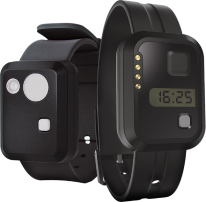
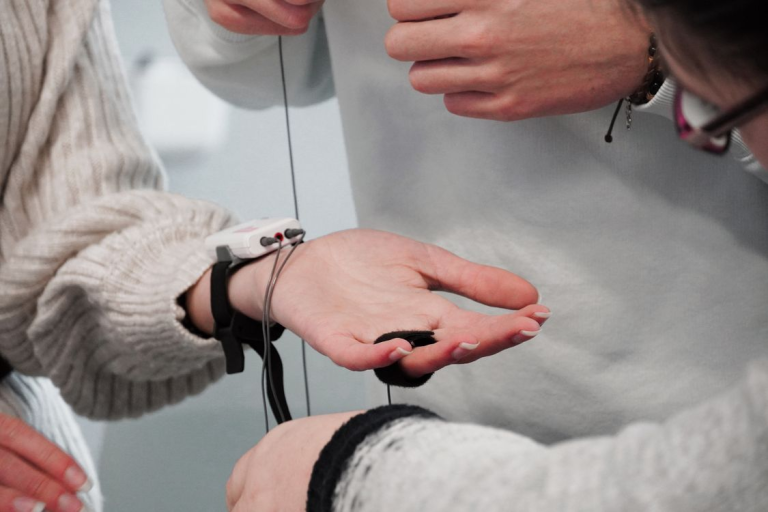
Traditional sleep tracking methods focus on sleep duration and efficiency, but actigraphy-based tools provide deeper insights. Actigraphy devices measure movement patterns, light exposure, and sleep-wake cycles over extended periods. This allows researchers and healthcare professionals to assess whether a person’s sleep aligns with their circadian rhythm.
For example, actigraphy can show whether someone is sleeping at consistent times or if their body clock is misaligned. A stable circadian rhythm results in better energy levels, faster recovery from illness or injury, and improved cognitive function. Tracking this data helps individuals adjust their routines to promote better alignment, ultimately improving their health outcomes.
The Impact of Circadian Misalignment on Long-Term Health
Beyond immediate recovery, long-term circadian misalignment can have serious consequences for overall health. Research links disrupted circadian rhythms to metabolic disorders, cardiovascular issues, and weakened immune function. Chronic misalignment—whether due to shift work, frequent travel, or inconsistent sleep patterns—can increase inflammation and impair the body’s ability to repair itself at a cellular level. By using actigraphy to monitor and correct these disruptions, individuals can take proactive steps to improve not only their sleep quality but also their long-term well-being.

Prioritizing Circadian Health Over Sleep Hours
Rather than focusing only on sleep duration, tracking circadian rhythms provides a more accurate picture of how well the body recovers. Actigraphy is a valuable tool for understanding sleep patterns in real-world settings and making necessary adjustments to improve recovery.
For those interested in precise circadian rhythm tracking, Condor Instruments offers advanced actigraphy solutions. Our devices provide scientifically validated data to help optimize sleep schedules, improve recovery, and enhance overall health.
Contact us to learn more.