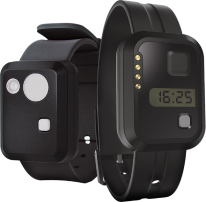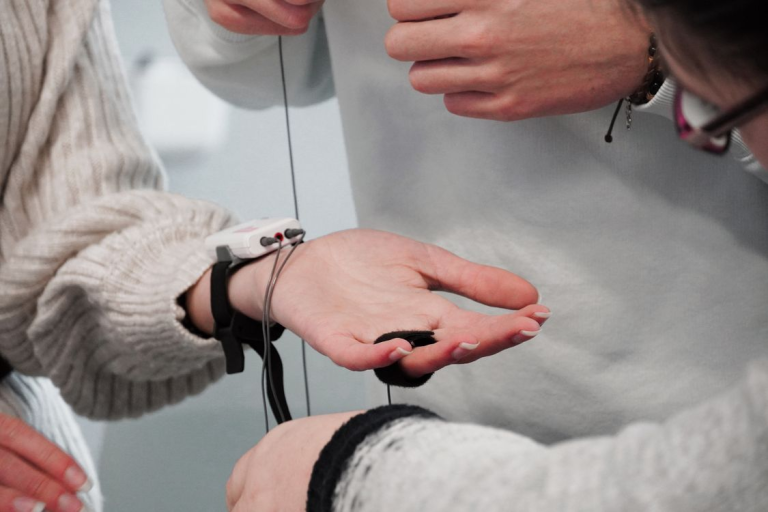


In the last 20 years, actigraphy has emerged as a vital tool in sleep science. Using wearable motion sensors, actigraphy allows researchers to non-invasively monitor sleep and activity cycles over extended periods. This long-term data collection has led to critical insights into how modern humans sleep—and what disrupts that sleep.
Shifting Bedtimes and Irregular Schedules
One of the most striking trends identified from decades of actigraphy data is the growing variability in bedtimes, especially among adolescents and working adults. The data shows a consistent delay in sleep onset times over the years, with many individuals not sleeping until after midnight. This shift is often attributed to increased screen time, 24/7 work cultures, and social obligations—factors that were difficult to quantify before wearable sleep tracking became widespread.
Social Jetlag: A Real Phenomenon
Actigraphy has helped validate the concept of social jetlag—a misalignment between an individual’s biological clock and their social obligations, such as work or school. By comparing weekday and weekend sleep data, researchers have observed that many people lose hours of sleep during the week and try to “catch up” on weekends. This irregularity negatively affects overall sleep quality and contributes to chronic fatigue and mood disorders.

Circadian Rhythm Insights
Over 20 years, actigraphy has provided a wealth of information about circadian rhythms, especially in aging populations. The data reveals that older adults tend to go to bed earlier and wake up earlier, but their total sleep time often decreases. Long-term actigraphy has also helped detect early signs of circadian rhythm disorders, such as advanced sleep phase disorder or irregular sleep-wake rhythm disorder—conditions that can be challenging to diagnose through self-reporting alone.
Sleep Duration and Health Correlations
Another key takeaway is the link between sleep duration and long-term health outcomes. Actigraphy data has shown that both short and excessively long sleep durations are associated with increased risks of cardiovascular disease, metabolic disorders, and depression. The ability to monitor sleep over months or even years provides stronger correlations than short-term sleep studies.
Cultural and Environmental Factors
When actigraphy data is analyzed across different geographical regions and cultures, fascinating patterns emerge. For example, populations in equatorial regions tend to have more consistent sleep-wake cycles due to minimal seasonal variation in daylight. Meanwhile, urban dwellers often experience shorter and more fragmented sleep compared to those in rural areas, regardless of cultural background.
Conclusion
Two decades of actigraphy data have deepened our understanding of sleep, moving us beyond lab-based snapshots to real-world, long-term patterns. These insights are driving the development of new interventions and public health strategies aimed at improving sleep hygiene and overall wellness. As actigraphy technology continues to evolve, the next 20 years promise even more profound discoveries.
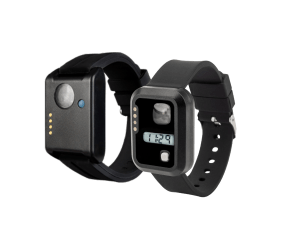
Tap into the Future of Sleep Science with Actigraphy Watches from Condor Instruments
Advance your research with reliable, long-term sleep and activity monitoring. Condor Instruments’ actigraphy watches deliver precision data for clinical and academic use. Discover how our tools support groundbreaking sleep studies and real-world insights. Explore the future of sleep science today with Condor Instruments.