

In the past, sleep science was limited by bulky lab equipment, expensive overnight studies, and a small pool of participants. Today, wearable actigraphy devices are changing that. By offering affordable, accessible tools for tracking sleep and activity over time, these devices are bringing the power of sleep research to more researchers, clinicians, and individuals than ever before.
What is Actigraphy?
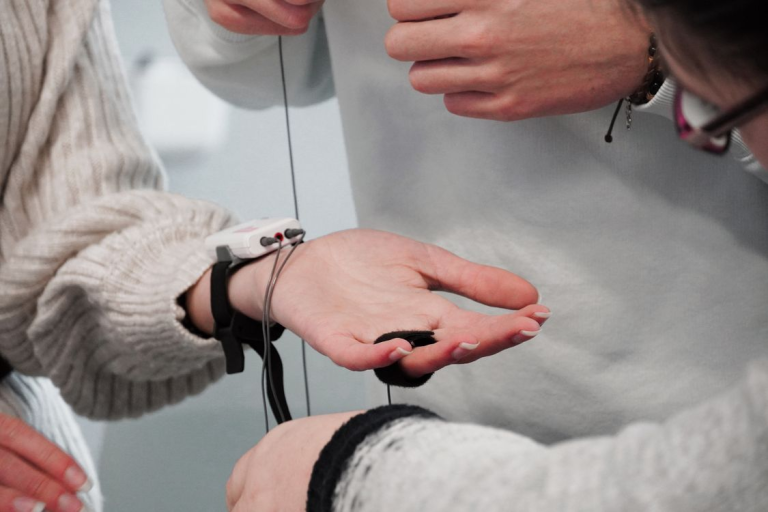
Actigraphy involves using motion-sensing technology—typically worn on the wrist—to monitor rest and activity cycles. Unlike polysomnography (PSG), which requires an overnight stay in a lab and measures brain waves, muscle activity, and eye movement, actigraphy tracks sleep patterns based on movement. While not as comprehensive as PSG, actigraphy offers a scalable, real-world method to study sleep over days, weeks, or even months.
Why Wearable Devices Matter
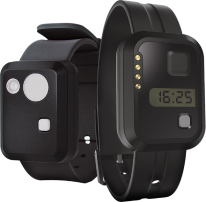
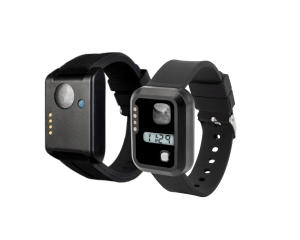
Wearable actigraphy devices like wristwatches have revolutionized the way data is collected in sleep science. Here’s why:
- Affordability: These devices are significantly less expensive than traditional lab-based equipment, allowing more institutions and even individual researchers to conduct studies.
- Accessibility: Participants can wear them at home in their natural environment, eliminating the need to travel to sleep labs.
- Scalability: Large populations can be monitored simultaneously, which supports public health research and epidemiological studies.
- Long-Term Monitoring: Unlike single-night PSG tests, actigraphy can provide insight into sleep patterns over extended periods, offering a fuller picture of sleep behavior.
Broadening Participation in Research
Historically, sleep studies have been limited to those who live near research centers or can afford travel and time off work. With wearable actigraphy devices, diverse populations—including shift workers, rural residents, and underserved communities—can now participate in research. This inclusivity leads to more representative data and better-informed sleep health recommendations for the general population.
Supporting Personalized Sleep Medicine
As healthcare becomes increasingly individualized, actigraphy plays a crucial role in tailoring sleep treatments. Physicians can use data from wearable devices to understand a patient’s unique sleep-wake cycle and monitor how interventions—like CBT-I for insomnia or light therapy for circadian rhythm disorders—are working in real time.
Empowering Everyday Users
It’s not just scientists and doctors benefiting from wearable actigraphy. More consumers are using these tools to understand their own sleep habits. By giving people access to their sleep data, actigraphy devices empower them to make informed lifestyle changes and seek professional help when necessary.

The Road Ahead
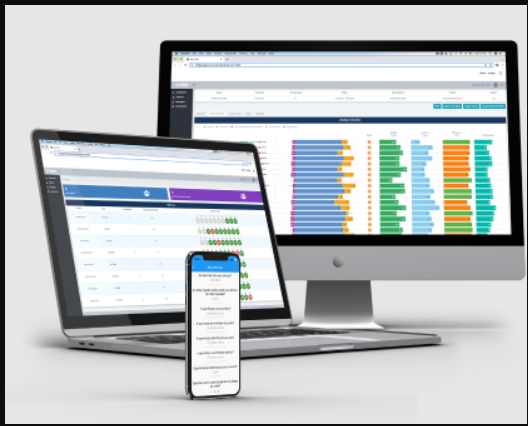
As wearable technology continues to evolve, the accuracy and features of actigraphy devices will only improve. Integration with smartphone apps, cloud-based analytics, and machine learning will make these devices even more powerful for both clinical and research purposes.
Conclusion
Wearable actigraphy devices are not just tools—they are catalysts for a more inclusive, efficient, and personalized era in sleep science. By lowering the barriers to entry, they are turning sleep research from an elite academic pursuit into a widely accessible field with real-world impact.
Pursue Sleep Research Easily with Wearable Actigraphy Devices from Condor Instruments
Simplify data collection and expand your study reach with Condor Instruments’ wearable actigraphy devices—affordable, reliable, and ideal for real-world sleep research. Explore our solutions today and elevate your sleep science.