

In elite sports, recovery is just as important as training. Athletes constantly seek tools to help them optimize rest, manage fatigue, and improve performance. One powerful tool gaining popularity in sports science is the actigraphy watch. These wearable devices track sleep patterns and physical activity over time, offering invaluable insights into how well an athlete is recovering between workouts and competitions.
What Is Actigraphy?
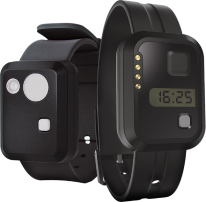
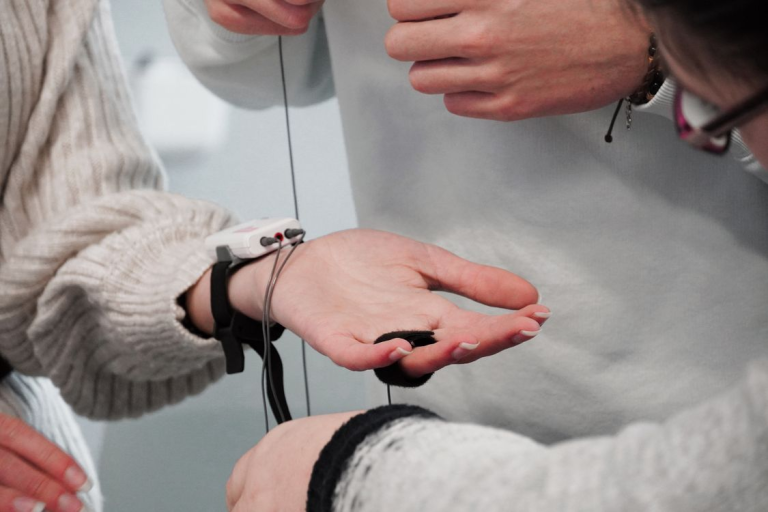
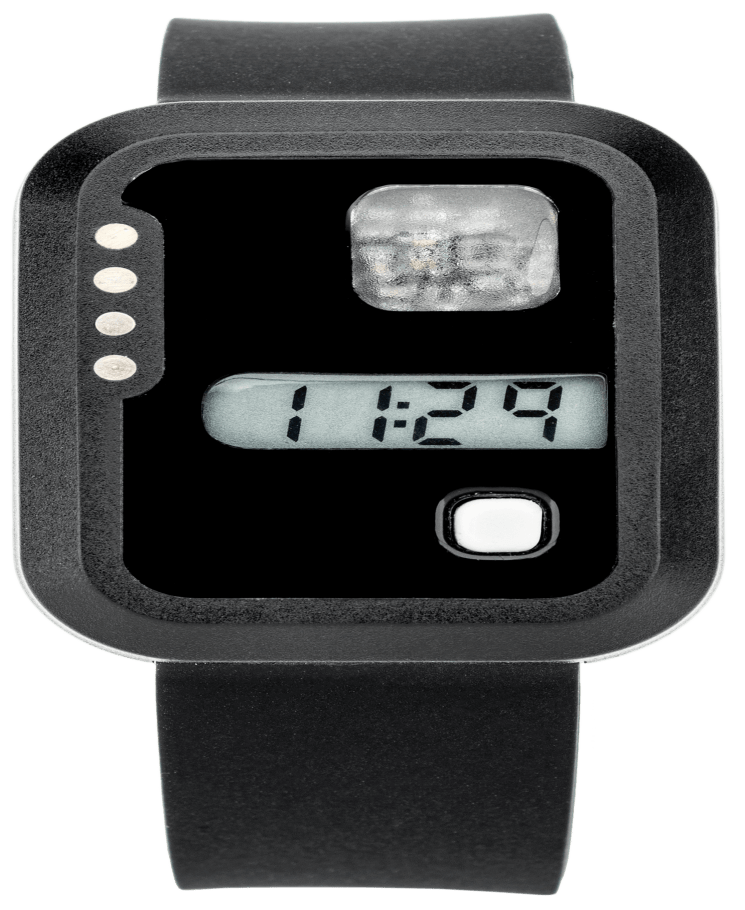
Actigraphy is the science of monitoring human rest and activity cycles using a small, non-invasive wearable—most often worn on the wrist. Actigraphy watches collect continuous movement data, which is then analyzed to assess sleep quality, duration, sleep latency, and periods of wakefulness. Unlike traditional sleep studies that require overnight stays in sleep labs, actigraphy offers an accessible, real-world alternative for long-term monitoring.
The Link Between Sleep and Athletic Performance

Sleep plays a critical role in muscle repair, hormone regulation, memory consolidation, and immune function—all essential for peak athletic performance. Poor sleep can lead to slower reaction times, decreased strength, impaired decision-making, and increased risk of injury. Athletes who track their sleep with actigraphy watches gain a deeper understanding of how rest (or lack thereof) affects their training outcomes.
Using these devices, coaches and athletes can spot patterns of sleep debt or disruptions that may be impacting performance. Data from actigraphy can inform adjustments in training intensity, timing, and recovery strategies to promote better outcomes.
Preventing Overtraining and Burnout
Overtraining syndrome can silently derail even the most dedicated athletes. It occurs when there’s an imbalance between intense training and insufficient recovery. Symptoms include chronic fatigue, mood swings, decreased performance, and increased susceptibility to illness.
Actigraphy watches provide early warning signs of overtraining by monitoring key indicators such as decreased sleep efficiency, irregular sleep patterns, and prolonged periods of restlessness. When data reveals potential red flags, coaches and sports health professionals can intervene early—modifying routines or adding recovery days to prevent long-term setbacks.
Real-Time Feedback for Smarter Training
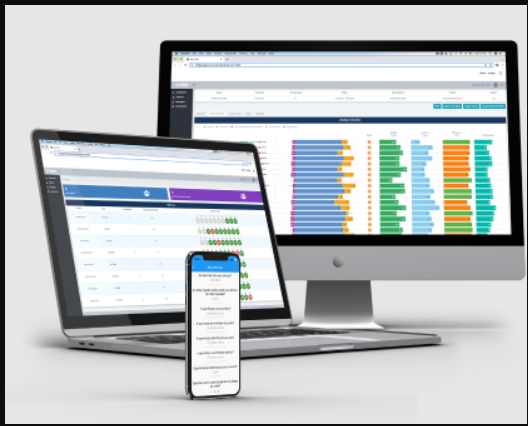
Athletes thrive on feedback. Actigraphy data offers daily, actionable insights that help athletes better understand how lifestyle habits affect sleep and performance. Combining actigraphy with training logs or nutrition tracking can reveal correlations between diet, stress levels, and rest quality. Many modern actigraphy watches also sync with smartphone apps or coaching dashboards, making it easy to visualize progress and communicate results.
Personalized Recovery Strategies
No two athletes are the same—and their recovery needs aren’t either. Actigraphy enables a tailored approach to recovery. By identifying when an athlete is not achieving enough deep sleep or showing inconsistent rest cycles, trainers can suggest personalized interventions, such as changes in bedtime routines, light exposure, or sleep environments.
Conclusion
For athletes seeking a competitive edge, actigraphy watches provide a simple yet powerful solution to optimize recovery and boost performance. By turning sleep into a measurable metric, actigraphy empowers athletes to train smarter, avoid burnout, and unlock their full potential—one night of quality rest at a time.