

Athlete recovery is as important as training itself. Without proper rest and recovery strategies, performance declines and the risk of injury increase. Technology is playing a critical role in advancing these strategies, with actigraphy leading the way.
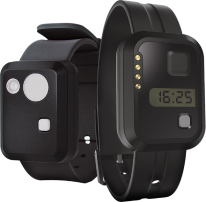
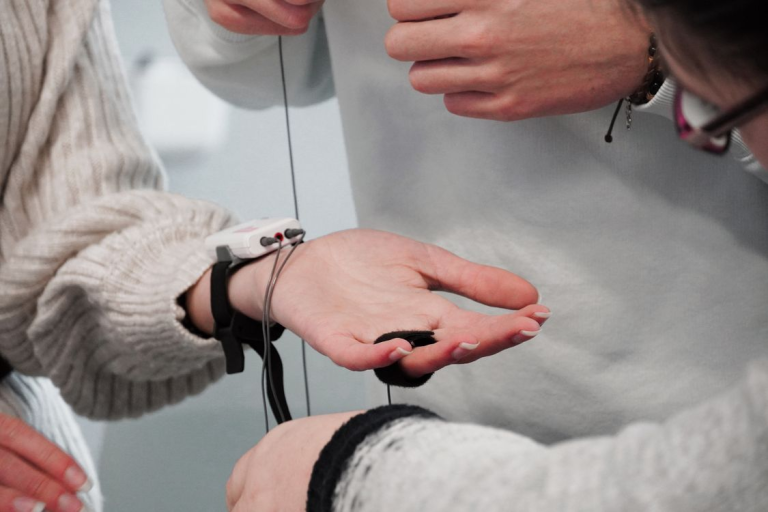
Actigraphy monitoring devices, worn on the wrist like a watch, provide continuous data on activity levels and sleep patterns. Unlike subjective reports, these devices offer objective insights that allow coaches, trainers, and medical teams to tailor recovery programs based on real-world data.
Sleep: The Foundation of Athletic Recovery
Sleep is essential for muscle repair, hormone regulation, and mental focus. Athletes who fail to get adequate rest may experience slower recovery, decreased performance, and greater injury risk. Actigraphy makes it possible to measure sleep quality and duration over extended periods, offering valuable insights into how rest impacts performance.
By analyzing this data, professionals can detect sleep disruptions caused by travel, training schedules, or stress. With this knowledge, athletes can adopt strategies to improve sleep hygiene and maximize recovery time.
Managing Training Load and Fatigue
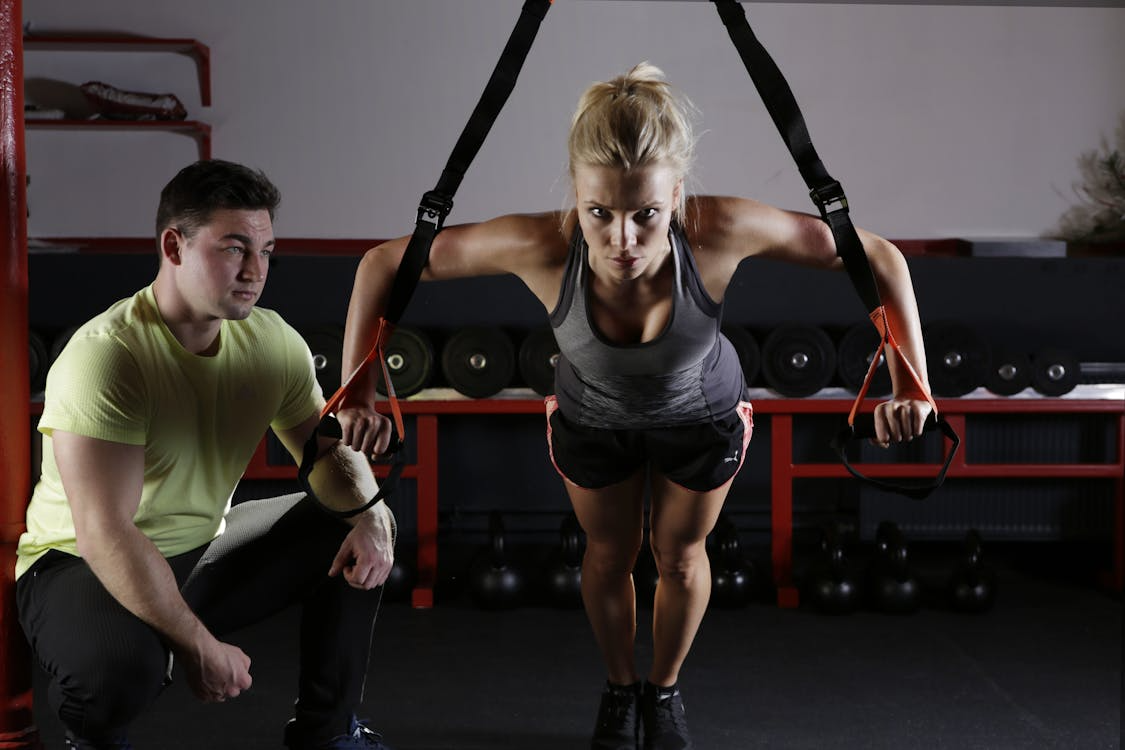
Balancing training intensity with adequate rest is one of the biggest challenges for athletes. Overtraining can lead to fatigue, burnout, and long-term injuries. Actigraphy helps by tracking activity throughout the day and monitoring how the body responds to different levels of exertion.
With actigraphy monitoring devices, trainers can identify patterns of fatigue and adjust training loads accordingly. This ensures athletes remain in peak condition without pushing their bodies beyond healthy limits.

Personalized Recovery Strategies
Every athlete is unique, and recovery strategies should reflect that. Actigraphy provides individualized data that supports personalized recovery programs. For example, one athlete may require additional rest days, while another may benefit from lighter training sessions combined with focused sleep interventions.
This level of personalization enhances both short-term recovery and long-term performance. Athletes are more likely to succeed when their recovery plans are tailored to their specific needs rather than relying on generalized recommendations.
Supporting Injury Prevention
Injuries are among the greatest setbacks an athlete can face. Actigraphy helps identify early warning signs, such as disrupted sleep or irregular activity patterns that may indicate excessive stress on the body. Detecting these signals allows for early intervention, reducing the likelihood of serious injuries.
For rehabilitation, actigraphy data can also monitor progress during recovery, ensuring athletes regain strength and resilience before returning to full competition.
The Future of Athletic Recovery
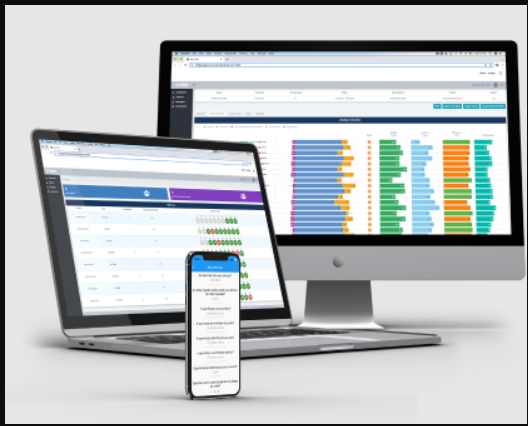
As wearable technology advances, actigraphy will play an even greater role in athlete recovery strategies. Integration with other health monitoring tools, such as heart rate variability trackers, will create a comprehensive picture of athlete wellness. This evolution will allow teams to make smarter, data-driven decisions that protect athlete health and extend careers.
Optimize Athlete Recovery with Condor Instruments
Condor Instruments provides advanced actigraphy monitoring devices to track sleep and activity for peak performance. Support injury prevention and recovery with precision insights from our cutting-edge actigraphy watches. Contact Condor Instruments today to learn more.