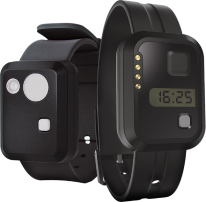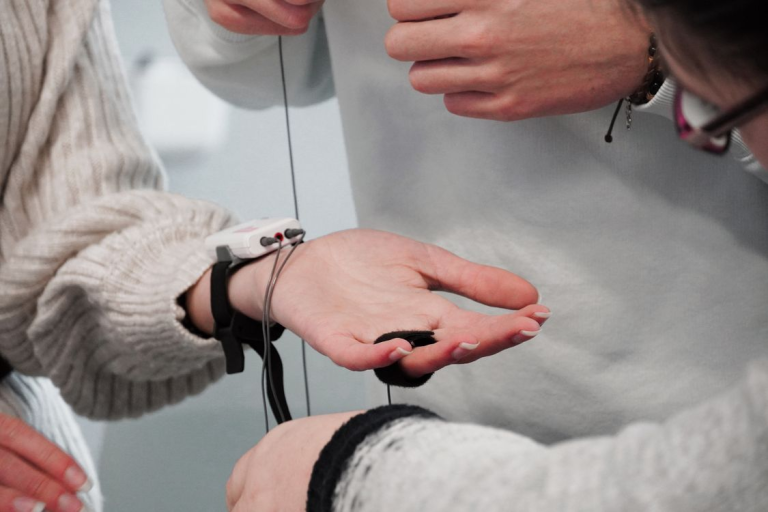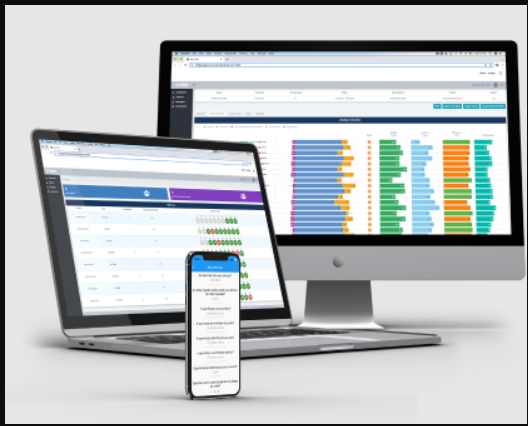



Actigraphy has become one of the most valuable tools in understanding the unique challenges faced by shift workers. Researchers use actigraphy monitoring devices to collect continuous data on sleep patterns, activity levels, and rest quality in real world environments. These devices offer an objective and noninvasive way to measure how night schedules influence biological rhythms. For individuals who work rotating or overnight shifts, this data reveals how work timing disrupts natural sleep cycles and highlights opportunities for healthier interventions.
The Impact of Shift Work on Circadian Rhythms
Shift work often forces people to stay awake when their bodies are programmed for sleep. Human circadian rhythms are naturally aligned with daylight which means that overnight workers frequently experience misalignment between their schedule and internal clock. Actigraphy helps researchers observe how this misalignment affects sleep timing, duration, and continuity. Many night workers struggle to get restorative sleep during the day due to environmental factors such as noise or light exposure. Actigraphy makes these disruptions visible and measurable, allowing professionals to design more tailored strategies that support circadian stability.
Tracking Sleep Quality in Real Time
One of the strengths of actigraphy is its ability to capture long term sleep behavior rather than relying solely on short laboratory assessments. Actigraphy records rest and activity patterns continuously across days and weeks which provides a realistic view of how consistent or fragmented a worker’s sleep truly is. This is especially important for shift workers who often alternate between morning, evening, and night schedules. By examining real time variability researchers can determine whether certain schedules result in more stable or more disturbed sleep.
Using Data to Improve Shift Work Scheduling

Actigraphy data is increasingly used to guide workplace policies that support employee well being. When organizations understand how shift patterns affect sleep, they can create schedules that minimize circadian strain. For instance, rotations that move forward in time morning to evening to night tend to be easier for the body to adapt to. Actigraphy also helps identify which shift patterns allow workers to achieve longer and more consolidated daytime sleep. In occupational health research this information is essential for reducing fatigue related errors, improving alertness, and lowering long term risks such as cardiovascular disease or metabolic disorders.
Supporting Healthier Habits for Night Workers
Actigraphy can also guide personal behavior changes among shift workers. By reviewing data with clinicians or researchers, workers can learn the best times for sleep, physical activity, and light exposure. Bright light therapy, consistent sleep routines, blackout curtains, and strategic caffeine use are some common recommendations that become easier to personalize with actigraphy insights. Over time these targeted adjustments help stabilize biological rhythms and improve overall sleep quality.
Actigraphy continues to play a crucial role in shift work research by providing accurate and actionable data that supports healthier sleep and circadian functioning for night workers.
Make Data-Driven Improvements to Workers’ Lives with Actigraphy Watches from Condor Instruments
Empower your shift work research with advanced actigraphy watches. Leverage reliable actigraphy monitoring devices and precise activity data to design healthier schedules and support worker well being. Explore Condor Instruments solutions today.