

As the Orion spacecraft performs its historic lunar flyby, breaking records for the farthest distance humans have traveled from Earth, the eyes of the world are fixed on the stars.
But for scientists, the most critical mission is happening inside the cabin.
The Artemis II is, in many ways, a 10-day stress test of the most complex machine in the universe: the human body. As the crew of four ventures nearly 250,000 miles (402336 KMs) away, they are entering an environment characterized by microgravity, isolation, and a total absence of the natural light-dark cycles that govern life on Earth.
In this new frontier, understanding human physiology where it matters most is a mission-critical requirement for the future of deep space exploration.
The Circadian Challenge of Deep Space
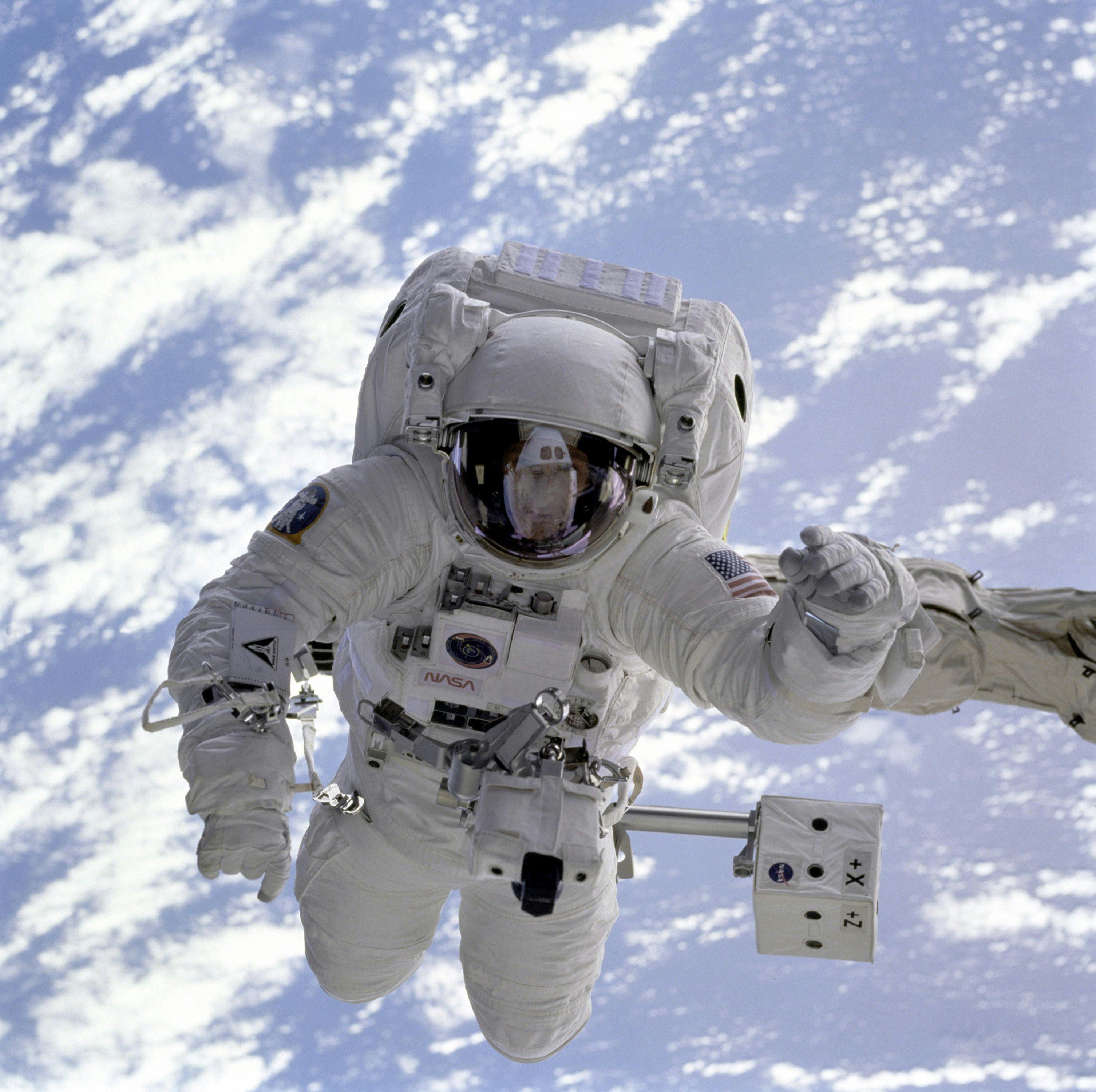
Human evolution is hard-coded to a 24-hour cycle of light and dark. In deep space, that rhythm is disrupted.
Without the Earth’s atmosphere to filter light or its rotation to provide a “day,” astronauts face a persistent threat of circadian misalignment. This affects cognitive performance, reaction time, and decision-making during high-stakes maneuvers.
Even subtle disruptions to circadian rhythms can compound over time. Sleep fragmentation, reduced alertness, and impaired executive function can all jeopardize mission objectives. In the context of deep space travel, where real-time intervention is limited, these physiological variables become critical mission parameters.
Project ARCHER(Artemis Research for Crew Health and Readiness), part of research efforts supporting NASA’s Artemis program currently focused on these very challenges. By analyzing how deep space environments affect sleep, stress, and behavioral health, researchers are building the blueprint for long-duration stays on the Moon and the eventual multi-year journey to Mars.
To succeed, this research requires data that is as resilient as the astronauts themselves. It requires a level of precision that can survive the transition from a controlled clinical environment to the edge of the lunar far side.
Data Integrity in Extreme Environments
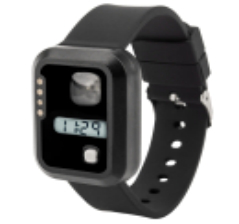
Capturing accurate physiological data in space is not simply a matter of instrumentation. It requires devices that can maintain calibration under extreme conditions, including microgravity, radiation exposure, and thermal fluctuations. Where sleep science meets space exploration, precision becomes a mission-critical requirement, demanding tools that can perform reliably beyond Earth’s protective environment.
Traditional monitoring systems often struggle in such environments. Signal drift, calibration instability, and environmental interference can compromise data integrity. In a mission where every datapoint informs safety and performance, this is not acceptable. Without consistent, high-quality data, even minor inaccuracies can lead to significant gaps in understanding astronaut health and performance.
Reliable data collection is the foundation of modern space medicine. Without it, researchers cannot effectively assess sleep patterns, monitor stress responses, or evaluate behavioral health. This makes advanced actigraphy and sensor-based monitoring systems essential components of any deep space mission.
ActLumus: Engineered on Earth. Proven in Space
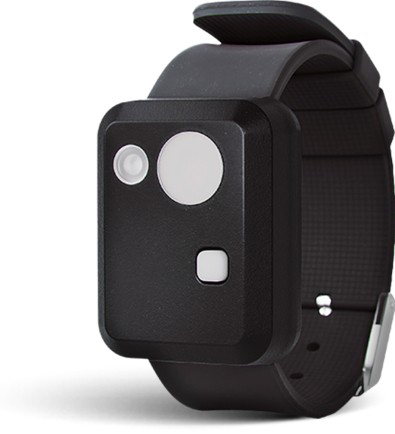
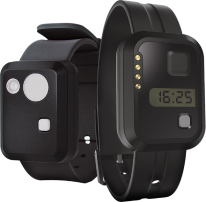
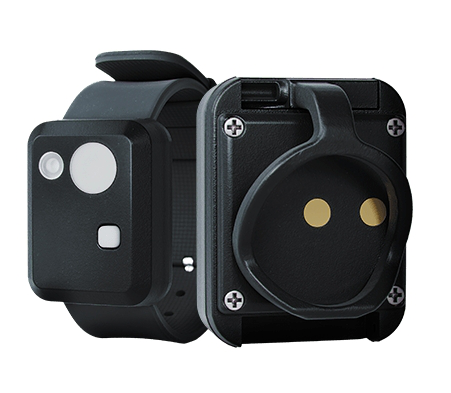
In response to these extreme demands, Condor Instruments developed ActLumus — an actigraphy device engineered for extreme environments, including deep space conditions.
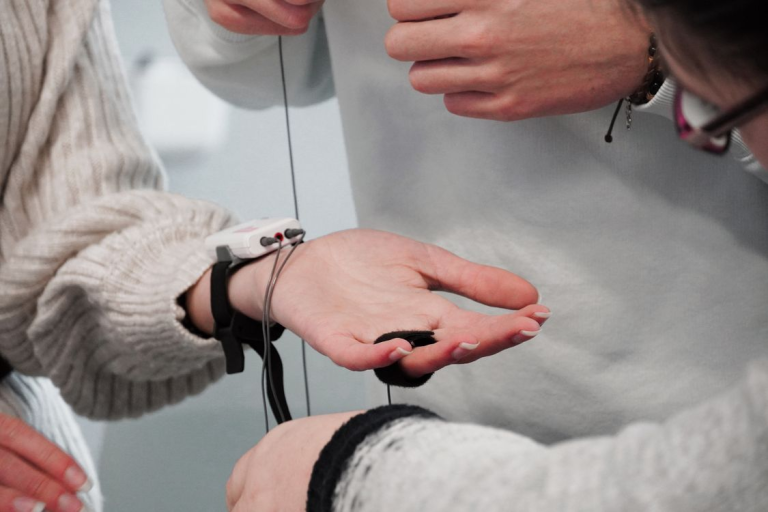
ActLumus devices are currently being used by astronauts in research conducted during missions within NASA’s Artemis II program, enabling continuous monitoring of sleep, activity, and circadian rhythms in deep space conditions
While the Artemis II crew focuses on testing Orion’s life-support systems and manual piloting, the technology behind ActLumus has been engineered to meet the demands of these extreme environments.
Designing technology for deep space requires going beyond standard medical-grade requirements. It must be resilient against the high-energy radiation of the Van Allen belts and the physical stresses of spaceflight. It must maintain accuracy, reliability, and durability in conditions where failure is not an option.
ActLumus represents the pinnacle of this engineering, offering:
• Melanopic EDI & Photopic Lux Sensors: Advanced light-sensing technology that measures the specific wavelengths responsible for regulating the human biological clock. This is essential for managing artificial lighting protocols in space habitats and spacecraft environments.
• Precision That Travels:A multi-sensor suite including accelerometry, temperature, and light, designed to maintain laboratory-grade accuracy across changing gravitational and environmental conditions.
• Mission-Ready Durability: ActLumus is built for the most extreme environments— flight-proven in space conditions.
These capabilities ensure that researchers and mission planners have access to consistent, high-fidelity data throughout the duration of a mission.
From Clinics to Cosmos: A New Standard for Human Health
The bridge between clinics and cosmos is smaller than it seems. The same physiological stressors found in deep space, such as extreme fatigue, disrupted sleep, and high-pressure environments, are present every day in hospitals, aviation, and elite performance settings.
Understanding these stressors in space provides unique insights into human resilience. The controlled yet extreme conditions of deep space serve as a proving ground for technologies that can also improve outcomes on Earth.
By developing technology capable of supporting human performance in deep space, Condor Instruments is setting a new standard for health monitoring. When a device is deployed in deep space missions, it carries a promise of reliability that is unmatched in the commercial or clinical market.
This level of precision is not just beneficial for astronauts. It is equally valuable for sleep researchers, clinicians, and professionals working in environments where accuracy is critical.
From Earth to deep space—precision that travels
As we watch the Artemis II mission pave the way for a sustained human presence on the Moon, the data gathered by researchers will redefine our understanding of human limits. Each datapoint contributes to a growing body of knowledge that will inform future missions to Mars and beyond.
Condor Instruments remains at the forefront of this evolution, ensuring that as humans go farther, our ability to monitor and protect their health advances alongside them. The integration of advanced sensing technology with rigorous engineering standards creates tools that are both scientifically robust and operationally reliable.
ActLumus is a testament to what is possible when we apply the highest levels of space-grade engineering to the study of human life. It represents a convergence of innovation, precision, and durability that is essential for both space exploration and terrestrial applications.
From Earth to deep space, the mission is clear. Powering human performance, even in deep space, requires uncompromising data, resilient technology, and a commitment to excellence that transcends environments.
Advancing Human Performance on Earth and Beyond with Condor Instrument
The journey of ActLumus, from clinical development to lunar orbit, redefines the expectations for human monitoring technology. By ensuring data integrity under the solar system’s most severe conditions, we establish a new benchmark of reliability for researchers and clinicians back on Earth. At Condor Instruments, we believe the precision required to explore the cosmos is the very same precision needed to understand and protect human life, wherever it may be.