


The Link Between Sleep and Cardiovascular Health
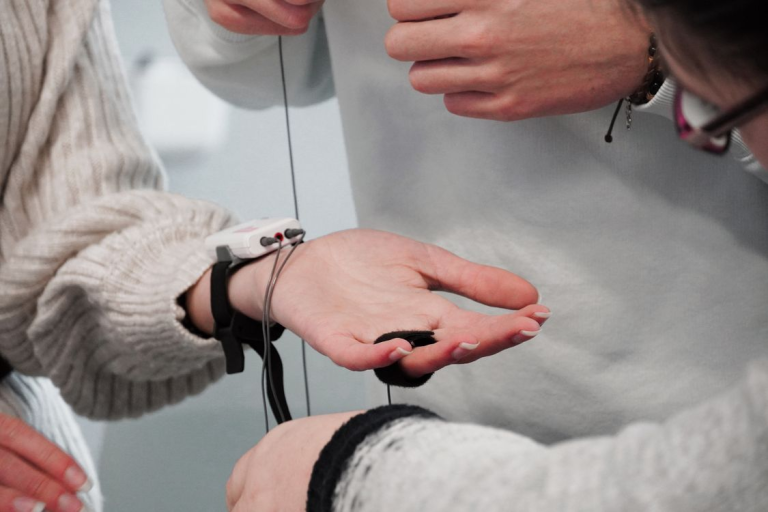
A growing body of research underscores the powerful connection between sleep quality and cardiovascular health. Poor sleep has been linked to a heightened risk of hypertension, heart disease, and even stroke. As the demand for preventive strategies increases, actigraphy is emerging as a valuable tool in assessing sleep-related contributors to cardiovascular conditions. By offering non-invasive, continuous monitoring, actigraphs allow clinicians and researchers to track sleep-wake patterns and circadian rhythm disruptions that may impact heart health.
Measuring Key Sleep Metrics That Impact the Heart
Actigraphy enables the assessment of sleep fragmentation, total sleep time, and sleep efficiency—all of which play critical roles in maintaining a healthy cardiovascular system. Fragmented sleep and frequent nighttime awakenings can trigger elevated sympathetic nervous system activity, leading to an increase in blood pressure and heart rate. Low sleep efficiency—defined as the percentage of time spent asleep while in bed—has also been associated with reduced heart rate variability and chronic inflammation, both of which are risk factors for cardiovascular disease.
Identifying Circadian Misalignment
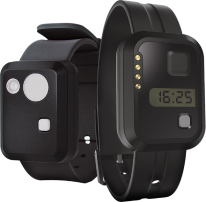
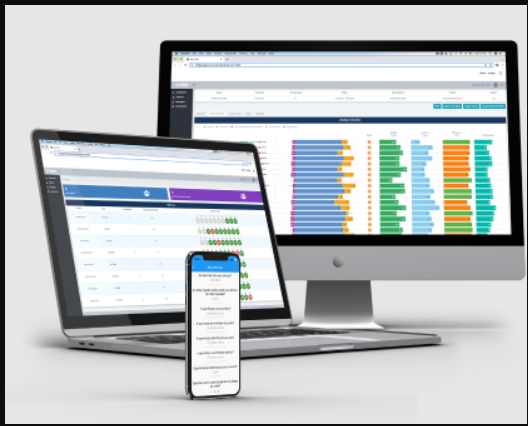
Circadian rhythms influence not just sleep cycles, but also blood pressure, hormone secretion, and cardiac function. Actigraphy devices like ActTrust 2, paired with ActStudio software, allow researchers to monitor circadian alignment in real-life settings. Disruptions in this rhythm—common among shift workers, individuals with insomnia, or those experiencing jet lag—can interfere with heart function and metabolic health. Through actigraphy, clinicians can identify these misalignments early and recommend behavioral or pharmacologic interventions to realign the body’s internal clock.

Supporting Long-Term Heart Health Monitoring
One of the major advantages of actigraphy is its ability to capture longitudinal sleep data over days, weeks, or even months. This extended monitoring is especially valuable for patients with existing cardiovascular conditions or those at high risk. Actigraphy monitoring devices can help detect gradual changes in sleep behavior that may signal worsening heart health. This proactive approach allows for early intervention, lifestyle modifications, and more personalized care plans.
Complementing Other Diagnostic Tools
While actigraphy is not a replacement for ECGs or blood pressure monitors, it adds an important layer of insight by highlighting how sleep behaviors may contribute to cardiovascular strain. Used in tandem with traditional diagnostics, actigraphy provides a holistic view of a patient’s health profile. For example, a patient whose blood pressure is well controlled during the day but experiences nocturnal spikes may benefit from a sleep behavior analysis via actigraphy to uncover possible disturbances contributing to these fluctuations.
Closing the Gap Between Research and Practice
The integration of actigraphy into cardiovascular research is helping close the gap between data and patient care. It supports translational studies that move from the lab to real-world clinical application, enhancing our understanding of how sleep directly impacts heart health. For clinicians, the ability to pair actigraphy with patient-reported data via sleep diary apps or digital questionnaires enables richer, more actionable insights.
Partner with Us to Advance Cardiovascular Research and Care
At Condor Instruments, we’re committed to helping clinicians and researchers better understand the connection between actigraphy and cardiovascular health. Our cutting-edge solutions—including ActTrust 2 and ActStudio software—offer high-resolution activity, light, and temperature monitoring for accurate and long-term data capture. Whether you’re conducting cardiovascular research or developing personalized treatment plans, our devices are designed to meet the highest standards of reliability and innovation.
Contact us today to learn how our actigraphy technology can strengthen your work in cardiovascular health.