


Sleep disorders affect millions of people worldwide, but when it comes to women, the challenges are often underdiagnosed or misunderstood. Hormonal shifts, life transitions, and social roles can all influence sleep patterns in complex ways. Increasingly, researchers and clinicians are turning to actigraphy devices as a non-invasive, data-driven solution to uncover and address these unique challenges in women’s sleep health.
Understanding the Sleep Health Gender Gap

Women experience higher rates of insomnia, restless leg syndrome, and other sleep disturbances compared to men. These differences are often linked to hormonal changes throughout life stages—menstruation, pregnancy, postpartum, and menopause—as well as the added pressures of caregiving and work-life balance. Despite these clear distinctions, much of the traditional sleep research has focused on male participants, leaving a gap in understanding how sleep disorders manifest and evolve in women.
Actigraphy devices are helping to close that gap by providing continuous, real-world monitoring of sleep and activity. Unlike in-lab sleep studies, these devices allow for long-term observation without disrupting natural sleep behaviors, making them especially suited for tracking subtle, hormone-related changes over time.
How Actigraphy Works in Women’s Sleep Research
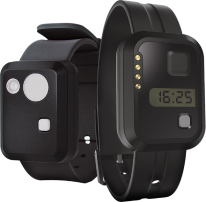
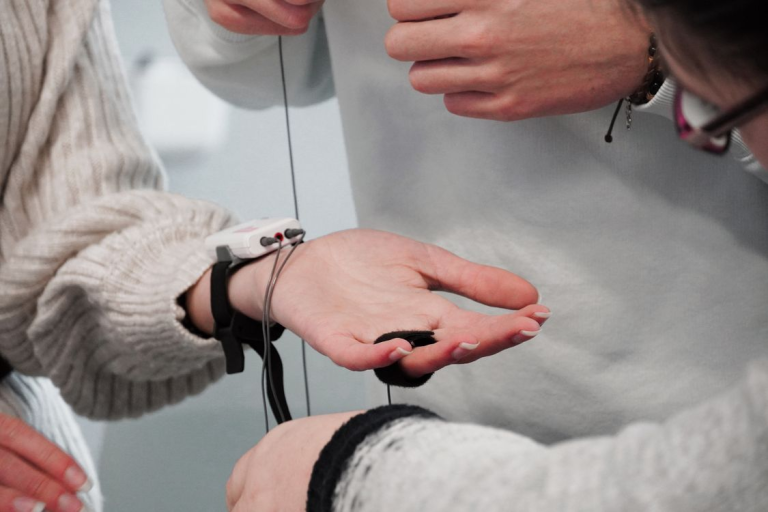
Actigraphy involves wearing a small, wrist-worn monitor that tracks movement over days or weeks. By analyzing movement data, researchers can estimate sleep onset, duration, interruptions, and circadian rhythms. For women, these insights can reveal how menstruation or menopause impacts sleep consistency, or how caregiving duties might lead to fragmented sleep.
This long-term perspective is particularly valuable in women’s health research, as many sleep issues fluctuate with time and life events. Actigraphy devices provide the objective data needed to understand these shifts and create more personalized treatment strategies.
Applications in Diagnosis and Care
With real-time, at-home monitoring, actigraphy has become a valuable tool for diagnosing and managing sleep disorders like insomnia, delayed sleep phase disorder, and circadian rhythm disturbances in women. The data can be used by healthcare providers to recommend targeted interventions, such as cognitive behavioral therapy for insomnia (CBT-I), medication adjustments, or sleep hygiene practices tailored to a woman’s lifestyle and biological rhythms.
Actigraphy also helps track the effectiveness of treatment over time, allowing clinicians to fine-tune care plans based on objective sleep metrics rather than self-reported data alone.
Conclusion
As awareness grows around the gender-specific factors affecting sleep, so does the need for tools that reflect the lived experience of women. Actigraphy devices offer an accessible, accurate, and comfortable way to gather essential sleep data—empowering women and their healthcare providers to better understand, manage, and improve sleep health.
Research the Sleep Health Gender Gap with Actigraphy Devices from Condor Instruments
Explore gender-specific sleep patterns using advanced actigraphy devices, including actigraphy watches, sleep diary software, and Melanopic Light Sensors. Condor Instruments empowers researchers with precise, non-invasive tools for studying women’s sleep disorders and circadian rhythms. Advance your sleep research—explore our technology today. Contact us now to get started.