


Sleep is one of the most important factors influencing student health, focus, and academic success. Yet many students struggle with inconsistent sleep schedules, late-night screen time, heavy coursework, and early school start times. Actigraphy is emerging as a valuable tool in education, helping teachers, parents, and researchers understand how sleep habits impact learning and overall well-being.
With devices such as actigraphy watches and wrist actigraphy tools, schools and families can gather accurate information about student sleep patterns without disrupting daily routines.
Why Sleep Matters for Academic Success
A well-rested brain performs better. Students who get sufficient sleep tend to have improved attention, stronger memory retention, better emotional regulation, and higher test scores. On the other hand, poor sleep can lead to difficulty concentrating, irritability, and decreased motivation.
Actigraphy helps quantify these challenges. Instead of relying solely on self-reported sleep diaries, which can be inconsistent, actigraphy provides real-time, objective data about when students fall asleep, how often they wake up, and how restful their sleep truly is.
Using Actigraphy to Monitor Student Sleep Patterns
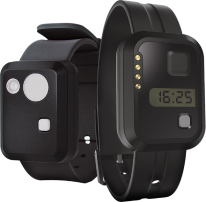
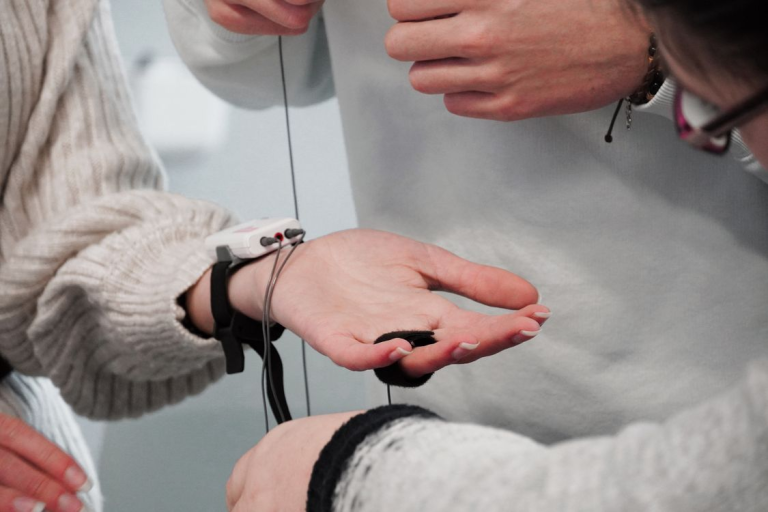
Actigraphy devices record movement and rest cycles over days or weeks. This makes them perfect for tracking natural sleep behaviors at home and in dorm settings. With simple wrist actigraphy devices, students can wear the monitor like a watch, allowing for long-term data collection with minimal effort.

Educators and school wellness teams can use this information to identify patterns such as:
- Delayed sleep schedules in teens
- Sleep interruptions caused by stress or extracurricular overload
- Differences between weekday and weekend routines
- Early signs of sleep disorders that may affect learning
This insight helps create targeted interventions that support healthier habits.
Improving Well-Being Through Data-Driven Insights
Once sleep data is collected, teachers and families can work together to adjust routines and expectations. For example, schools may recommend reduced screen time at night, encourage consistent bedtime schedules, or educate students about the importance of sleep for cognitive function.
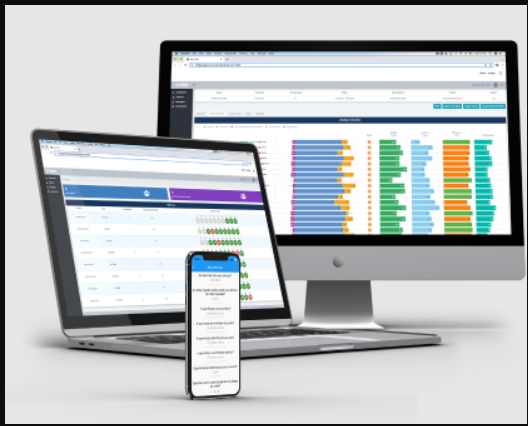
Some programs combine actigraphy data with sleep diary apps or journal tools to help students become more aware of their own habits. This combination encourages self-responsibility and empowers students to take an active role in improving their well-being.
Supporting Special Populations in Education
Actigraphy is especially useful for students with learning differences, ADHD, anxiety, or other conditions that may impact sleep. Continuous monitoring gives educators a clearer picture of how sleep affects daytime behavior, emotional regulation, and focus. With this information, individualized plans can be created to support each student’s needs.
Actigraphy can also assist college students navigating irregular schedules, academic pressure, and social commitments. Early identification of poor sleep can help prevent burnout and academic decline.
The Future of Actigraphy in Schools
As wearable technology becomes more accessible, actigraphy devices for sale are expanding into school wellness programs, university research initiatives, and family health routines. With better tools, educators can strengthen student support systems and promote healthier lifestyle habits that contribute to long-term success.
Support Student Wellness with Condor Instruments
Enhance academic performance with reliable sleep and activity insights from actigraphy watches, wrist actigraphy devices, and advanced monitoring tools. Condor Instruments provides accurate, research-ready actigraphy solutions for schools and families. Contact Condor Instruments today to explore actigraphy devices for sale and support healthier student routines.