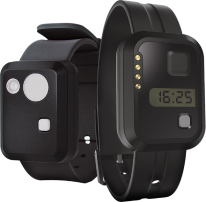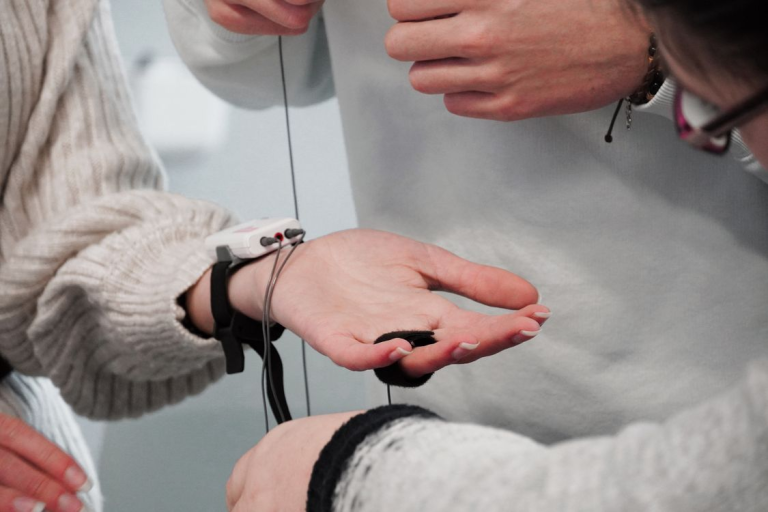



In competitive sports, every detail matters. Athletes push their physical limits daily, and understanding how their bodies respond to training is essential for long-term success. Actigraphy has become an important tool in sports science, offering precise insights into sleep quality, recovery cycles, and physical activity patterns. With devices such as actigraphy watches and wrist actigraphy systems, coaches and sports scientists can now evaluate performance in ways that were once impossible.
Understanding Actigraphy in Athletic Performance
Actigraphy provides continuous, real-world monitoring of an athlete’s sleep and movement patterns. Instead of relying only on self-reported logs or short-term clinical tests, actigraphy captures natural behavior over days or weeks. This helps trainers analyze how well an athlete is recovering, how active they are during the day, and whether fatigue is building up quietly in the background.
Tools like wrist actigraphy devices and actigraph insight watch systems record subtle variations in rest and activity, offering a clear picture of daily rhythms that contribute to overall performance.
Tracking Sleep for Recovery
Recovery is just as important as training. Poor sleep can lead to slower reaction times, decreased endurance, and a higher risk of injury. Actigraphy devices allow sports teams to measure sleep duration, sleep efficiency, and nighttime disturbances with accuracy.

Athletes and trainers can use this data to:
- Adjust training intensity
- Identify sleep disruptions caused by travel or stress
- Improve sleep hygiene routines
- Detect early signs of overtraining
For professional athletes who often face heavy travel schedules, actigraphy helps minimize the effects of jet lag and circadian rhythm disruption.
Monitoring Fatigue and Preventing Overtraining
Fatigue can build up gradually, leading to reduced performance and increased injury risk. Actigraphy monitoring devices provide insight into periods of excessive inactivity, reduced sleep quality, or irregular activity patterns that may signal overtraining.
Coaches can review this information alongside training logs, nutrition plans, and athlete feedback to make informed changes. This proactive approach allows athletes to train smarter instead of harder, maintaining peak performance throughout the season.
Optimizing Training with Data-Driven Insights
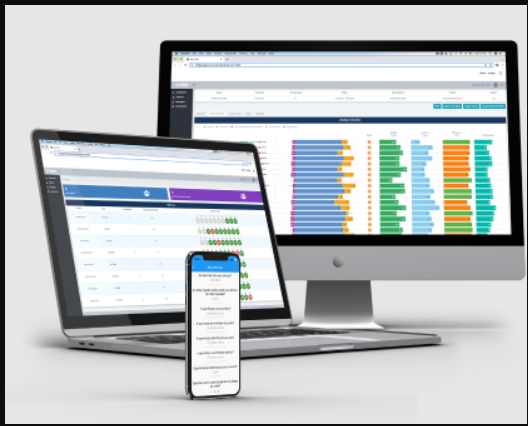
Sports science teams often combine actigraphy with sleep diary apps, sleep journal software, or wearable light sensors to better understand the factors influencing recovery. When athletes have access to their own data, they become more engaged in managing their routines and making healthier choices.
This technology supports individualized training programs tailored to the athlete’s natural rhythms and needs, leading to improved outcomes in strength, stamina, and overall performance.
The Future of Actigraphy in Athletics
As actigraphy devices for sale continue to evolve, advances in sensors and software will make monitoring even more precise. Lightweight, durable, and athlete-friendly designs will expand how sports teams use actigraphy to support physical and mental performance.
Advance Your Performance Tracking with Condor Instruments
Optimize recovery and training with actigraphy watches, wrist actigraphy devices, and advanced actigraphy monitoring tools from Condor Instruments. Enhance athlete performance with accurate activity and sleep data. Contact Condor Instruments today to explore high-quality actigraphy devices for sale and upgrade your monitoring system.