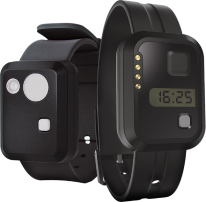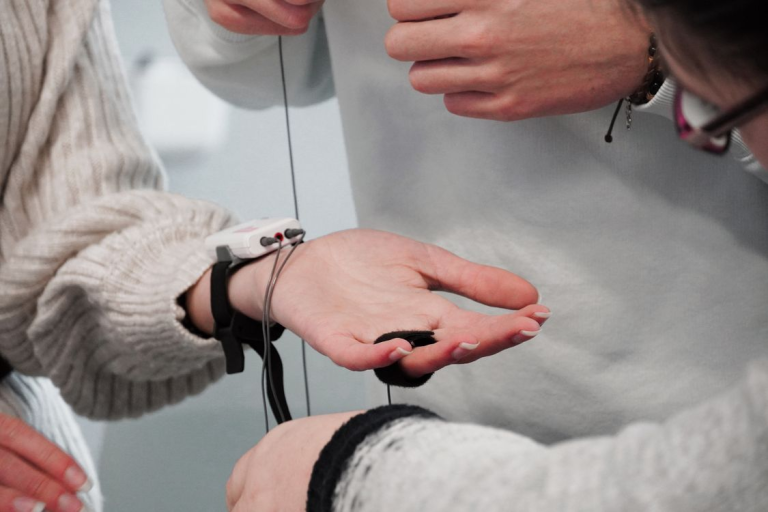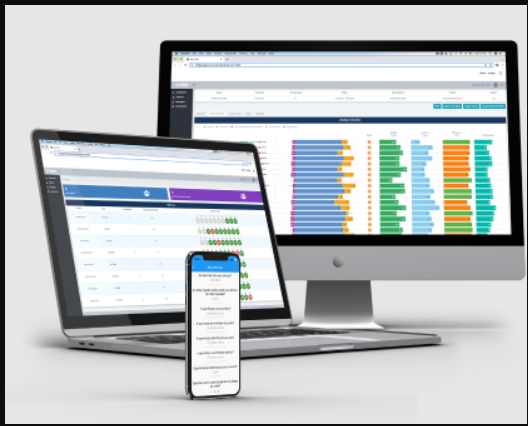


Jet lag disrupts the body’s internal clock and can affect sleep, energy levels, mood, and overall performance. Actigraphy monitoring devices offer a powerful solution by capturing real time data on sleep patterns, movement, and light exposure throughout long trips. Travelers, clinicians, and wellness professionals use this information to understand how quickly the body adapts to new time zones. By combining activity tracking with light measurement, actigraphy delivers insights that help travelers create personalized strategies to beat jet lag more effectively.
How Jet Lag Affects the Circadian System
Jet lag occurs when the circadian rhythm becomes misaligned with the new local time after rapid travel across time zones. Symptoms often include daytime fatigue, nighttime wakefulness, poor concentration, and digestive discomfort. Actigraphy watches help track how long it takes for the internal clock to realign by recording changes in sleep timing, rest quality, and the distribution of activity throughout the day. This data provides a clearer picture of how the body is responding to the transition and which behaviors are helping or hindering recovery.
Using Actigraphy to Guide Light Exposure
Light is the strongest cue for resetting the circadian rhythm. Actigraphy devices with light sensors measure the timing and intensity of light exposure which helps travelers understand whether they are receiving appropriate light at the right times. For example, exposure to bright morning light after eastward travel can speed up circadian adjustment. Meanwhile avoiding strong evening light can prevent delays in adaptation. Actigraphy data allows users to tailor their light exposure schedule based on their specific travel itinerary.
Optimizing Sleep Timing During Travel

Sleep scheduling plays a major role in beating jet lag. Actigraphy monitoring devices help identify whether travelers are sleeping too early, too late, or too irregularly for their destination time zone. By reviewing recorded patterns, travelers can adjust bedtime and wake times more strategically. Short pre travel adjustments, controlled naps, and consistent routines become easier to implement when guided by objective data rather than guesswork.
Supporting High Performance Travel
Actigraphy is especially valuable for business travelers, athletes, flight crews, and anyone with demanding schedules. Insights from actigraphy watches support performance by minimizing fatigue related errors, improving reaction time, and enhancing overall wellness during travel. When combined with gradual schedule shifts, hydration, strategic caffeine use, and controlled light exposure, actigraphy driven plans help reduce recovery time significantly.
Upgrade Your Travel Wellness with Condor Instruments Actigraphy Watches
Improve your travel wellness strategy with advanced actigraphy monitoring devices from Condor Instruments. Gain actionable insights, reduce jet lag, and achieve smoother circadian adjustment on every trip. Explore innovative actigraphy devices for sale today.