

Sleep researchers often combine objective and subjective measurements because each captures a different part of the sleep experience. Actigraphy records movement-based patterns over time, while a digital sleep diary documents what participants report about sleep, routines, and experiences. Understanding the distinction helps researchers select appropriate measures.
What Does Wearable Monitoring Measure?
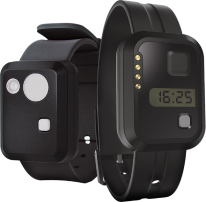
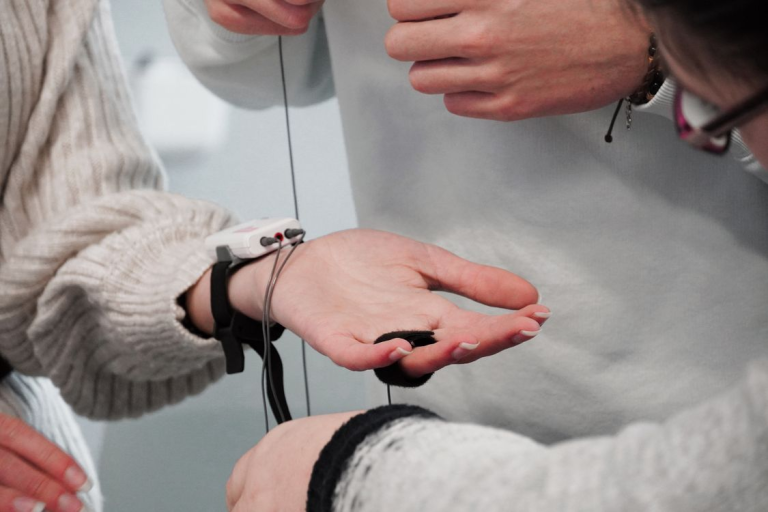
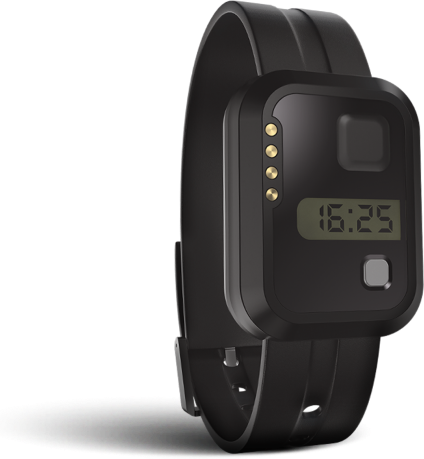
A wearable activity monitor, commonly worn on the wrist, records movement across extended periods. An Actigraph device for sleep research can use these activity patterns to estimate periods of sleep and wakefulness and characterize rest-activity rhythms. Depending on the device, additional sensors can capture information such as light exposure or temperature.
Its major strength is longitudinal observation. Participants can generally follow normal routines while data are collected across multiple nights or longer study periods. The American Academy of Sleep Medicine recognizes this approach as useful in appropriate clinical and research contexts, while emphasizing that it does not replace polysomnography when detailed sleep assessment is required.
What Does a Sleep Diary Measure?
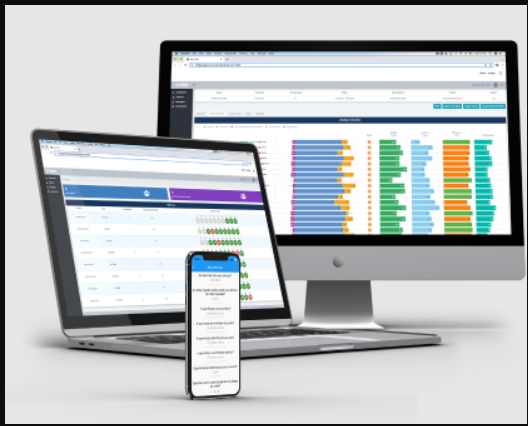
A digital sleep diary captures information that a sensor cannot directly observe. Participants may record bedtime, estimated sleep onset, awakenings, final wake time, perceived sleep quality, naps, medications, unusual events, or other study-specific variables.
A sleep diary for research can provide context around changes seen in objective measurements. For example, a participant may show unusual nighttime activity. The diary may indicate that travel, illness, work, or another event contributed to it.
Objective Monitoring vs. Sleep Diaries: What Is the Difference?
The clearest distinction is the type of information collected. Wearable monitoring provides objective, sensor-derived measurements of movement and estimated sleep-wake patterns. A diary provides subjective, participant-reported information about sleep and daily experiences.
| Measurement | Wearable Monitoring | Sleep Diary |
| What it captures | Movement and estimated sleep-wake patterns | Participant-reported sleep and daily information |
| Data source | Wearable sensor | Participant |
| Main strength | Continuous, longitudinal monitoring | Context and subjective experience |
| Key limitation | Cannot directly measure sleep stages | Relies on participant recall and adherence |
Neither approach answers every research question independently. Movement data can identify patterns across many nights, but they cannot establish sleep architecture such as REM or non-REM stages. A diary can explain why a night differed from the usual pattern, but its accuracy depends on timely and consistent reporting.
Why Combine Both Measurements?
Combining objective and subjective measures creates a more complete research record. A wearable can establish what the activity signal suggests happened during a monitoring period, while the diary can document what the participant experienced and what may have influenced the recording.
For example, researchers might identify a later sleep period through wrist actigraphy and compare it with reported bedtime and wake time. Differences between the measures can be informative when studying sleep perception, irregular schedules, or behavioral changes.
Choosing the Right Measurement Strategy
The appropriate method depends on the research question. Studies focused on long-term rest-activity patterns may benefit strongly from continuous wearable monitoring. Studies examining perceived sleep quality, bedtime routines, or events surrounding sleep may require diary data. Projects investigating both behavioral patterns and participant experience can benefit from using both.
Modern Actigraphy devices can also extend beyond movement measurement. Condor Instruments develops systems that combine activity monitoring with additional sensing and digital tools. Our ActTrust 2 actigraphy device supports sleep and activity monitoring, while our digital Sleep Diary supports structured participant reporting. Condor describes its technology as being developed for clinical and scientific applications through in-house engineering, development, research, and ongoing collaboration with research institutions.
The Future of Integrated Sleep Measurement
Sleep research increasingly depends on datasets that connect objective monitoring with participant context. Wearable sensors provide continuous information, while digital reporting adds details that sensors cannot infer reliably.
For researchers, the practical lesson is straightforward: objective and subjective measurements should be viewed as complementary tools. When study design aligns the two, researchers can better understand sleep timing, behavioral patterns, and the circumstances surrounding changes in recorded data.
At Condor Instruments, we develop technologies for clinical and scientific applications, emphasizing technical rigor, research collaboration, and continuous product development. Explore our scientific and medical instrumentation, learn more about our research and clinical equipment, or contact our team to discuss requirements for your next sleep study.