


Actigraphy has emerged as a cornerstone tool in sleep research, allowing continuous, non-invasive monitoring of sleep-wake patterns in real-world settings. Unlike laboratory-based polysomnography, actigraphy enables long-term data collection in natural environments, providing insights into habitual sleep behavior, circadian rhythms, and environmental influences. However, as actigraphy studies expand to diverse populations, including children, older adults, and individuals with chronic health conditions, maintaining standardization across studies becomes increasingly important.
Developing cross-population actigraphy protocols ensures data consistency, enhances comparability between cohorts, and supports robust scientific conclusions. This blog explores the key considerations for standardizing actigraphy studies across different ages and health conditions, highlighting best practices for device selection, participant engagement, data interpretation, and multi-sensor integration.
Understanding Population-Specific Challenges in Actigraphy Studies

Actigraphy protocols must account for physiological, behavioral, and environmental variations across populations. For example, sleep patterns differ significantly between children, adolescents, adults, and older adults. Similarly, chronic health conditions, such as sleep apnea, neurological disorders, or mood disorders, can influence both movement patterns and circadian rhythms.
Key challenges include:
- Variability in sleep-wake behavior: Children may have fragmented sleep, while older adults often experience early wake times and reduced total sleep.
- Differences in movement patterns: Health conditions or age-related mobility changes can affect how actigraphy interprets wakefulness versus sleep.
- Environmental and lifestyle factors: Work schedules, school routines, or caregiving responsibilities influence light exposure and activity levels.
Recognizing these differences is essential for designing protocols that produce valid, comparable data across populations.
Selecting the Right Actigraph Device
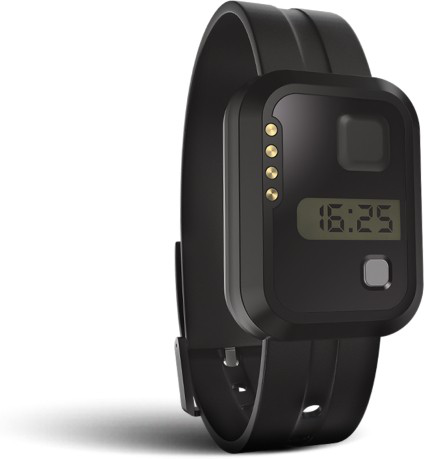
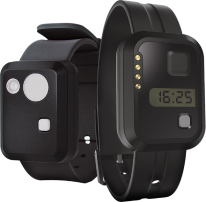
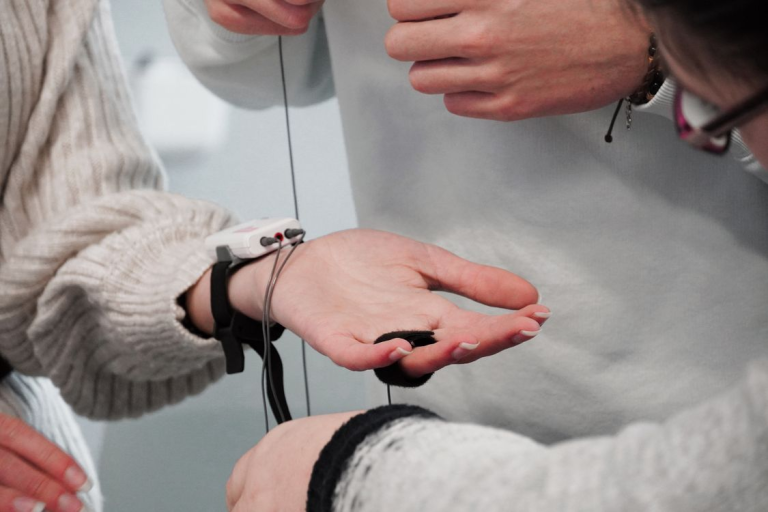
Device choice plays a critical role in standardization. Modern actigraphs incorporate multiple sensors, including movement detection, light sensors, and event markers, allowing for multi-dimensional sleep analysis.
When selecting a device, consider:
- Sensor sensitivity: High-resolution accelerometry ensures accurate detection of both small and large movements, important for pediatric or older adult populations.
- Integrated light sensors: Capturing light exposure is crucial for understanding circadian influences across ages and health conditions.
- Battery life and wearability: Long-term studies require devices that are comfortable, waterproof, and capable of continuous monitoring without frequent charging.
- Data compatibility: Devices should support standardized file formats and be compatible with sleep scoring algorithms for cross-study comparisons.
Choosing devices with these features facilitates consistent measurement across diverse populations and reduces variability caused by equipment differences.
Standardizing Protocols across Age Groups

Different age groups require tailored approaches to ensure data fidelity while maintaining comparability.
Children and Adolescents
- Use smaller, lightweight actigraphs to accommodate smaller wrists.
- Encourage consistent device wear, even during school or sports activities.
- Integrate parental guidance to ensure accurate completion of sleep diaries.
- Consider shorter epoch lengths (e.g., 15-second intervals) to capture frequent movement during sleep.
Adults
- Emphasize adherence to consistent wear schedules, ideally 24-hour monitoring over multiple consecutive days.
- Incorporate sleep diaries to contextualize periods of quiet wakefulness or napping.
- Monitor for environmental influences, including work schedules and screen time, using integrated light sensors.
Older Adults
- Account for reduced mobility, frequent awakenings, and early sleep onset.
- Use algorithms validated for low-movement populations to reduce misclassification of wake as sleep.
- Encourage detailed sleep diary entries, including medication intake or health events impacting sleep.
Standardized instructions, training materials, and engagement strategies tailored to age-specific behaviors improve data quality while enabling meaningful cross-population comparisons.
Adapting Protocols for Health Conditions

Health conditions can affect sleep architecture, movement patterns, and circadian regulation. Protocols should consider these factors to maintain data fidelity.
Neurological Disorders
- Conditions like Parkinson’s disease or dementia may result in tremors, restlessness, or nighttime wandering.
- Algorithms should account for involuntary movements to avoid misclassification.
- Sleep diaries or caregiver logs help validate Actigraph-detected sleep periods.
Mood Disorders and Mental Health
- Depression, anxiety, or bipolar disorder can alter sleep timing and activity levels.
- Integrating light sensor data helps assess circadian misalignment or irregular exposure patterns.
- Longer monitoring periods may capture episodic sleep disruptions characteristic of mood disorders.
Chronic Medical Conditions
- Pain, respiratory issues, or cardiovascular disease can affect sleep quality and duration.
- Multi-sensor actigraphy combined with sleep diaries provides contextual understanding of environmental and behavioral factors.
- Consistent device placement and wear protocols are critical to avoid confounding movement data caused by symptom-related behaviors.
Tailoring actigraphy protocols to population-specific needs enhances the accuracy of derived sleep metrics and ensures valid comparisons across diverse cohorts.
Integrating Sleep Diaries for Cross-Population Consistency
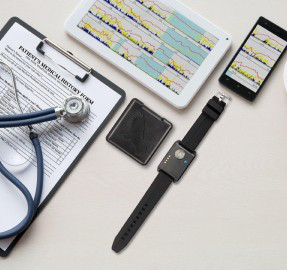
While actigraphy provides objective measurements, subjective input remains essential for high-fidelity data. Sleep diaries bridge the gap between recorded data and lived experience, providing context for sleep onset, wake periods, naps, and lifestyle influences.
Key components of a standardized sleep diary include:
- Bedtime and wake time
- Sleep latency and perceived sleep quality
- Night awakenings and naps
- Environmental or behavioral factors, such as caffeine intake or screen exposure
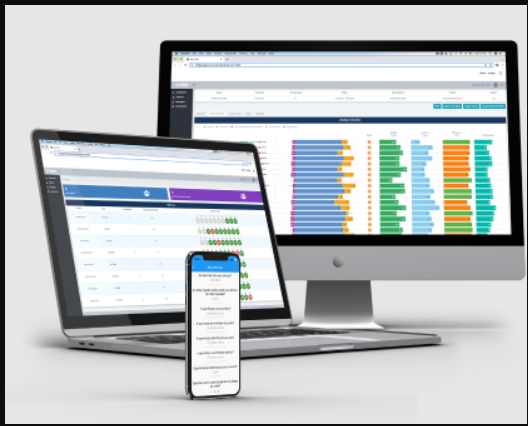
Digital sleep diary platforms enhance compliance through automated reminders, time-stamped entries, and real-time feedback. Synchronizing diary entries with actigraphy timestamps ensures alignment between subjective and objective measures, which is critical when comparing results across populations.
Leveraging Light Sensors across Populations
A built-in light sensor in actigraphs allows researchers to quantify light exposure, a major regulator of circadian rhythms. This data is especially valuable in cross-population studies because light sensitivity and behavioral patterns differ with age and health status.
Light Sensor Benefits
- Identifies circadian misalignment in populations with irregular schedules, such as shift workers or adolescents.
- Measures natural versus artificial light exposure, supporting environmental intervention studies.
- Enhances interpretation of movement data by differentiating quiet wakefulness from sleep in low-mobility populations.
For example, older adults with reduced morning light exposure may experience delayed circadian phase shifts, while adolescents exposed to excessive evening screen light may show later sleep onset. Integrating light sensor data ensures these environmental contributors are captured across populations.
Multi-Sensor Integration for Standardized Analysis
Combining actigraphy, sleep diary, and light sensor inputs creates a multi-dimensional dataset that enhances reliability and cross-study comparability.
Advantages of Multi-Sensor Integration
- Cross-validation of sleep-wake detection improves accuracy in populations with atypical movement patterns.
- Provides objective measures of environmental influences, reducing confounding factors in analysis.
- Supports consistent scoring algorithms across studies by aligning subjective and objective inputs.
- Enables identification of population-specific trends in sleep efficiency, fragmentation, and circadian alignment.
Multi-sensor datasets form the backbone of standardized cross-population protocols, providing the depth needed for precise, comparable sleep research.
Addressing Common Sources of Variability
Even with standardized devices and protocols, home-based studies are prone to variability.
Potential Sources of Variability
- Device removal or improper placement
- Irregular sleep schedules
- Environmental noise or lighting changes
- Incomplete or inconsistent sleep diary entries
Mitigation Strategies
- Provide detailed instructions and training materials tailored to each population.
- Use digital reminders for diary completion and device wear.
- Implement minimum wear-time thresholds for inclusion in analysis.
- Conduct periodic data quality checks during studies to identify anomalies early.
By proactively addressing these sources of variability, researchers can improve data fidelity and maintain cross-population consistency.
Data Synchronization and Time Alignment
Accurate alignment of movement, light exposure, and diary data is critical. Differences in time zones, device clocks, or participant reporting can introduce misclassification or errors in sleep metrics.
Best practices include:
- Synchronizing actigraph internal clocks prior to deployment
- Aligning sleep diary entries with actigraphy timestamps
- Accounting for daylight saving time changes or multi-site deployments
Proper synchronization ensures that multi-sensor datasets remain reliable and comparable across populations and study sites.
Clinical and Research Implications
Cross-population standardization improves the utility of actigraphy data for both clinical and research applications.
Clinical Applications
- Accurate detection of sleep disorders across age groups and health conditions
- Monitoring treatment response with high-fidelity, real-world data
- Providing personalized interventions based on environmental and behavioral insights
Research Applications
- Enhances reproducibility and comparability of findings
- Facilitates meta-analyses and large-scale cohort studies
- Supports identification of population-specific trends in sleep and circadian regulation
Standardized protocols ensure that insights derived from actigraphy are robust, reliable, and actionable.
Future Directions
Emerging technologies and methodologies are poised to enhance cross-population actigraphy protocols further:
- Integration with physiological sensors such as heart rate, skin temperature, or respiration
- AI-driven data validation to detect anomalies and improve scoring accuracy
- Remote participant monitoring to improve compliance and engagement
- Personalized sleep recommendations based on multi-sensor analysis across diverse populations
These advancements will strengthen the ability of researchers to standardize sleep studies while accommodating the unique characteristics of each population.
Conclusion
Standardizing actigraphy protocols across age groups and health conditions is essential for reliable, high-fidelity data in home-based sleep studies. By carefully selecting devices, integrating sleep diaries, leveraging light sensor data, and implementing age- and condition-specific instructions, researchers can ensure accurate, comparable, and meaningful insights.
As multi-sensor actigraphy continues to evolve, cross-population standardization will remain critical for advancing sleep science and translating findings into clinical practice.
Utilize Multi-Sensor Actigraphs from Condor Instruments for Consistent, Cross-Population Sleep Research
Enhance your studies with reliable actigraph devices featuring integrated light sensors and sleep diary compatibility. Achieve high-fidelity, comparable data across populations for research and clinical excellence. Connect with our team now to learn more.
Frequently Asked Questions
1. Why is cross-population standardization important in actigraphy studies?
It ensures data comparability, reliability, and accuracy across diverse age groups and health conditions.
2. How do light sensors improve actigraphy data fidelity?
They capture environmental light exposure, allowing researchers to assess circadian influences on sleep timing.
3. What role does a sleep diary play in standardized studies?
Sleep diaries provide contextual subjective information to validate and enhance actigraphy data.
4. Can multi-sensor actigraphy be used for populations with chronic health conditions?
Yes, tailored protocols and multi-sensor integration enable accurate monitoring in diverse populations, including those with chronic or neurological conditions.