

Studying human sleep is already a challenge. Doing it in Antarctica — with sub-zero temperatures, days of continuous light or darkness, and total isolation — demands equipment that cannot fail.
That is the challenge faced by the Mediantar Project (Antarctic Medicine and Physiology), linked to the Exercise and Health Physiology Laboratory (LAFES) at the Federal University of Bahia (UFBA). Prolonged isolation, drastic changes in light cycles, and extreme temperatures directly affect the bodies of those who spend months at Antarctic research stations — and sleep is one of the first systems to feel the impact.
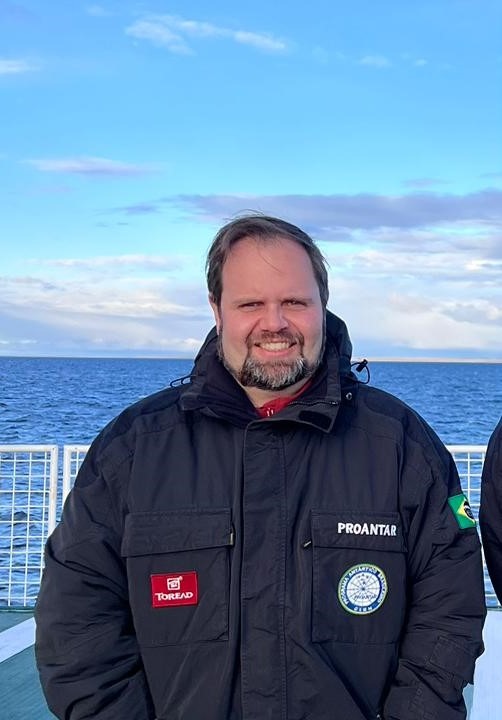
Mediantar set out to understand how the Antarctic environment alters sleep patterns and the activity-rest rhythms of researchers in the field. To make this data collection possible outside the laboratory, the team began using Condor Instruments actigraphs.
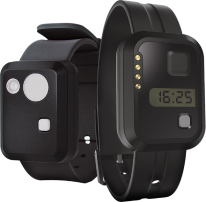
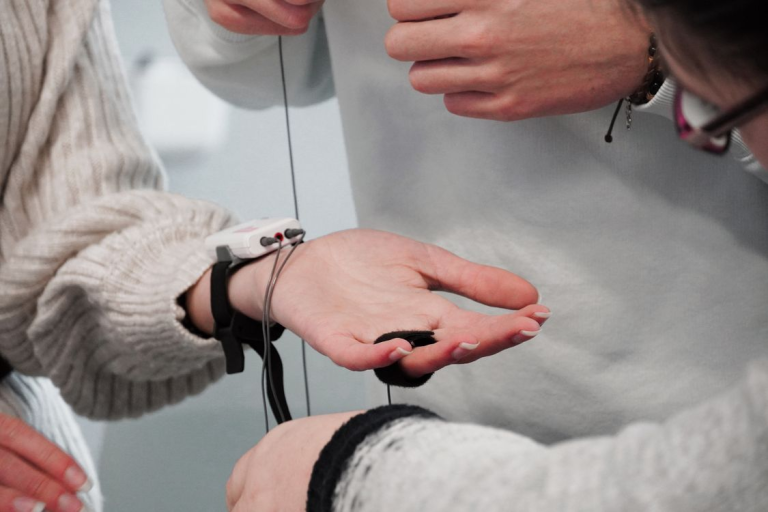
Actigraphy is one of the most widely used methods today for studying sleep and circadian rhythmicity. By continuously monitoring periods of activity and rest, the device allows researchers to accurately reconstruct behavior over time, without relying on subjective reports or laboratory infrastructure.
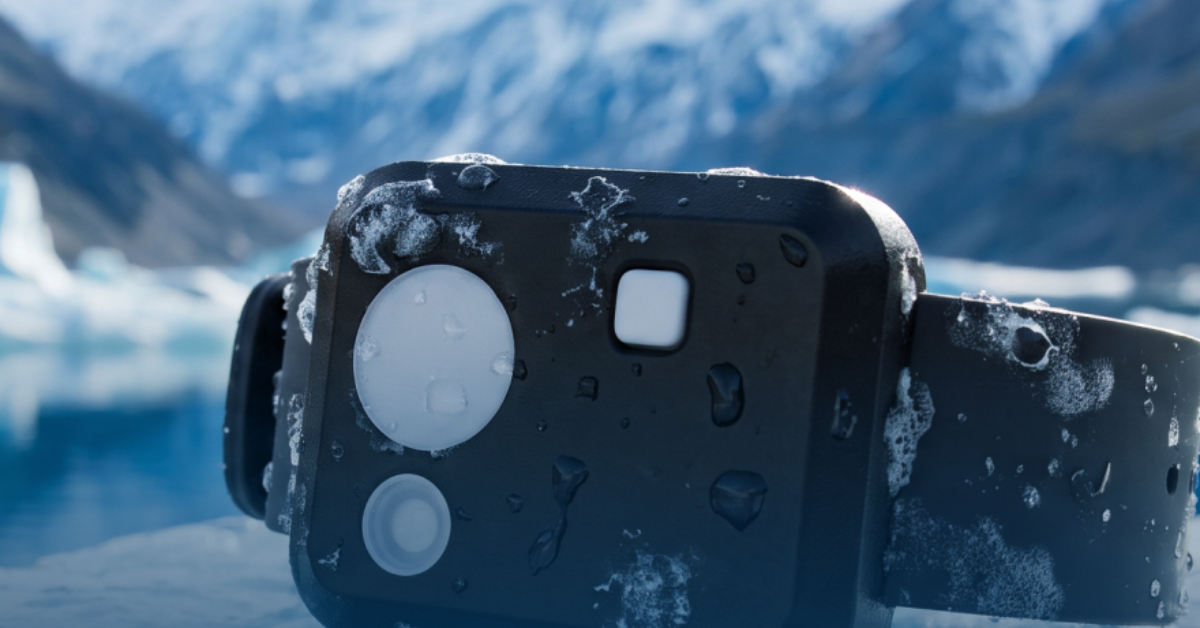
In an environment like Antarctica, that means depending on a device that is small, autonomous, and rugged enough to follow the researcher through conditions no laboratory can replicate.
What the UFBA Team Was Looking For
According to Prof. Dr. Thiago Teixeira Mendes, the study’s coordinator at UFBA, the choice of equipment came from a practical need:
“We needed reliable, rugged equipment suited for studies in extreme environments like Antarctica and in challenging operational conditions.”
That is how the team came to know Condor Instruments’ actigraphs, finding a combination that made sense for the kind of research they were developing: physical durability, strong battery life, and consistent data quality.
Field-Tested Durability, Without Losing Precision
One of the things that most stood out to the team was the ability to use the same device in completely different settings — from the controlled laboratory to the extreme field — without compromising data reliability.
“In our experience, the actigraphs have proven rugged, functional, and suitable for both laboratory research and field studies, including the Antarctic environment.”
This versatility is especially important for projects like Mediantar, which combine different collection scenarios throughout the study and need to maintain data consistency from start to finish.
Technical Support as Part of the Experience
Beyond the equipment itself, the researcher highlighted the support offered by Condor Instruments as a meaningful advantage for the continuity of fieldwork.
Having national technical support, direct access to the team, and help resolving questions made a difference in implementing the research protocols — especially valuable when a project involves complex logistics and remote environments, where there is no room for technical surprises.
Science That Goes Beyond the Laboratory
The Mediantar Project’s experience shows how the right technology can enable research in scenarios that, until recently, would have been impractical outside a controlled setting.
By following researchers in one of the most challenging regions on the planet, Condor Instruments’ actigraphs reinforce a commitment: developing solutions that meet science’s real needs, wherever it happens.