


Meta DescriptionHow does actigraphy feature extraction turn raw motion data into clinical insights? Learn key metrics, variability indices, and temporal trends.
How do sleep researchers transform continuous motion signals into clinically useful insights? The answer lies in actigraphy feature extraction. Feature extraction converts raw sensor output into measurable indicators that support sleep analysis, circadian rhythm assessment, and longitudinal behavioral monitoring.
Clinicians, sleep specialists, and research teams rely on actigraphy to evaluate sleep-wake patterns outside of laboratory settings. Modern actigraphy devices capture large volumes of accelerometer data over days or weeks. However, raw motion signals alone offer limited value. Researchers need structured metrics that reveal patterns, variability, and temporal behavior.
This article explores the most important features derived from actigraphy data, from basic activity counts to advanced temporal analytics.
Why Feature Extraction Matters in Actigraphy
Raw accelerometer signals contain noise, motion artifacts, and continuous movement fluctuations. Feature extraction organizes this data into interpretable metrics that support clinical interpretation and research analysis.
Researchers use actigraph systems to study:
- Sleep fragmentation
- Circadian rhythm stability
- Rest-activity cycles
- Behavioral variability
- Longitudinal sleep trends
Feature extraction also improves machine learning applications in sleep medicine and chronobiology. Structured features help algorithms identify sleep states, classify behavioral patterns, and detect abnormalities across large datasets.
Without feature extraction, clinicians face overwhelming streams of unprocessed data that lack actionable meaning.

Activity Counts: The Foundation of Actigraphy Analysis
Activity counts form the core metric in most actigraphy workflows. An actigraphy device records movement intensity over fixed intervals called epochs. The device converts raw accelerometer signals into numerical counts that represent motion magnitude during each epoch.
Researchers often use epochs that range from 15 seconds to 1 minute.
Higher activity counts usually indicate wakefulness or increased movement. Lower counts often correspond with rest or sleep periods. Sleep researchers use these counts to estimate:
- Sleep onset
- Awakening after sleep onset
- Total sleep time
- Sleep efficiency
Many wrist actigraphy studies rely on validated scoring algorithms that interpret activity counts across overnight recordings.
Although activity counts appear simple, they provide the basis for nearly every higher-level actigraphy feature.
Temporal Features Reveal Behavioral Structure
Temporal features capture how activity changes over time. These metrics help clinicians evaluate rhythm regularity, behavioral consistency, and circadian organization.
Sleep-Wake Transition Metrics
Sleep fragmentation often appears through frequent transitions between active and inactive states. Researchers examine:
- Number of awakenings
- Duration of wake episodes
- Sleep bout continuity
- Rest interval consistency
These metrics help physicians evaluate insomnia, circadian rhythm disorders, and disrupted sleep architecture.
Interdaily Stability
Interdaily stability measures how consistently a patient follows a 24-hour rest-activity rhythm. High stability suggests strong synchronization with environmental cues such as light exposure and regular schedules.
Researchers frequently use this metric in studies involving:
- Neurodegenerative disease
- Shift work
- Circadian rhythm disorders
- Aging populations
Intradaily Variability
Intradaily variability quantifies rhythm fragmentation within a single day. Higher variability often reflects irregular transitions between activity and rest.
Sleep specialists use this feature to assess circadian disruption and behavioral instability.
Variability Indices Improve Clinical Interpretation
Variability metrics reveal fluctuations that average values often hide. Two patients may show identical total activity counts while displaying entirely different movement structures.
Feature extraction methods commonly evaluate:
- Standard deviation of activity
- Coefficient of variation
- Activity regularity
- Day-to-day variability
These indices offer deeper insight into behavioral consistency and sleep quality.
Researchers often combine variability measures with sleep diary data to improve interpretation accuracy. Sleep diary records help contextualize unusual activity patterns, environmental disruptions, or schedule changes.
Circadian Rhythm Features Support Longitudinal Research
Circadian rhythm analysis is one of the most valuable applications of actigraphy feature extraction.
Researchers derive several rhythm-specific metrics from longitudinal recordings.
Relative Amplitude
Relative amplitude compares the most active periods of the day with the least active periods. Strong amplitude generally reflects healthy circadian organization.
Lower amplitude may indicate:
- Circadian misalignment
- Sleep disorders
- Decreased daytime activity
- Neurological impairment
Acrophase
Acrophase identifies the timing of peak daily activity. Researchers use this metric to study circadian timing shifts across populations and interventions.
Periodicity Analysis
Advanced algorithms evaluate whether activity rhythms follow stable 24-hour cycles or display irregular timing structures. Researchers often apply these methods in chronotherapy studies and sleep medicine trials.

Why We Recommend Condor Instruments for Modern Actigraphy Research
At Condor Instruments’, we understand the growing demand for reliable, clinically focused actigraphy solutions for physicians, sleep specialists, and research teams.
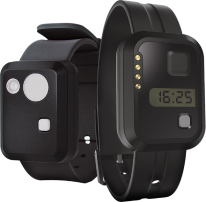
Our actigraphy devices support advanced sleep and circadian analysis through high-quality motion sensing, integrated light sensor technology, and research-oriented data collection capabilities. We design our solutions to support clinical workflows, longitudinal studies, and behavioral sleep research with precision and consistency.
Whether your team uses wrist actigraphy for circadian assessment, sleep monitoring, or behavioral analytics, we help you capture meaningful insights with reliable performance. Our Actiwatch activity monitor Solutions support modern sleep medicine applications while meeting the practical needs of research environments. Contact us Now.