

Wearable actigraphy has matured well beyond the point of simple sleep-wake scoring. Across academic sleep laboratories, clinical research units, and occupational health programs, investigators are now deploying actigraphy platforms that generate continuous, multi-channel data streams across extended monitoring periods. The operational demands this creates—device configuration, data transfer, storage, analysis, and reporting—require infrastructure that keeps pace with the science.
Yet many research teams still manage these workflows through fragmented processes: manual data offloads, disconnected software tools, and reporting pipelines that introduce delays and inconsistencies. For large-scale sleep studies, this fragmentation creates reproducibility risks and limits the translational value of the data collected.
Building a coherent, end-to-end actigraphy data management framework addresses these gaps. When each stage of the research workflow connects logically to the next—from initial device setup through final clinical report—research teams gain both efficiency and data integrity.
This piece examines each stage of that ecosystem and how the components fit together.
Device Configuration: Where the Ecosystem Begins
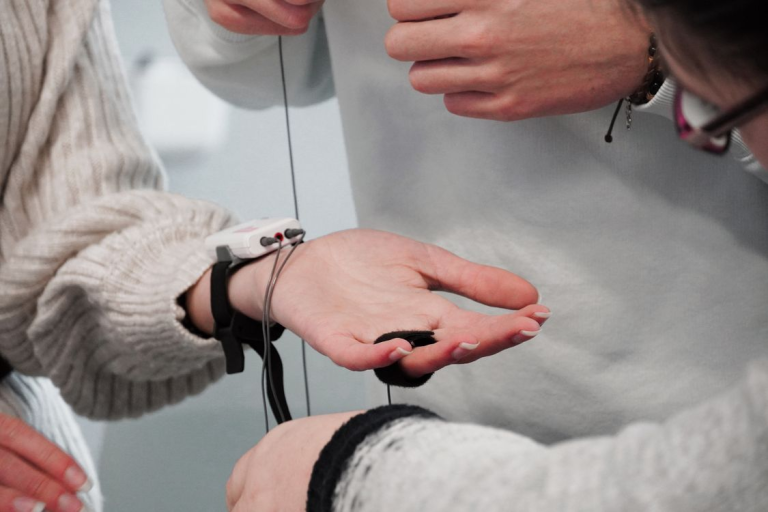
The quality of actigraphy data depends significantly on how devices are configured before deployment. Epoch length, sensitivity thresholds, sensor activation parameters, and recording duration all influence what the device captures and how the resulting data can be analyzed.
For multi-site or large-cohort studies, standardized configuration protocols are essential. Inconsistent device settings across participants or sites introduce systematic error that cannot be corrected during analysis. Research teams using actigraphy monitoring devices should establish configuration templates that are applied uniformly and documented as part of the study protocol.
Device firmware version and software compatibility also warrant attention at this stage. Actigraph devices should be validated against the analysis software version in use, and any updates should be evaluated before being applied mid-study.
Data Collection in Real-World Environments
Once deployed, wrist actigraphy devices operate continuously in participants’ naturalistic environments—capturing movement, light exposure, and temperature across days or weeks without interrupting daily routines. This ecological validity is one of actigraphy’s core strengths for sleep research, but it also introduces practical data management considerations.
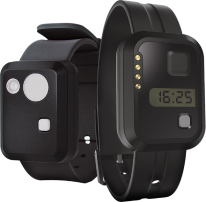
Wear compliance is among the most significant. A sleep and activity tracking actigraph device only yields interpretable data when worn consistently. Research protocols should include standardized non-wear definitions, off-wrist detection where supported by device hardware, and procedures for handling compliance gaps during analysis.

Concurrent use of a digital sleep diary strengthens the dataset considerably. Structured sleep diary protocols in sleep studies allow participants to log sleep and wake times, perceived sleep quality, and notable events. This subjective record provides the contextual layer that objective sensors cannot supply independently, and it enables researchers to validate or interrogate anomalies in the actigraphy signal.
Cloud Connectivity and Remote Data Access
Traditional actigraphy workflows required participants to return devices to a laboratory for data offload—a logistical constraint that limited monitoring duration and introduced retrieval delays. Cloud-integrated platforms have substantially changed this model.
With Bluetooth-enabled actigraph watches connected to cloud infrastructure, researchers can access incoming data streams without waiting for device return. Remote monitoring capability allows study coordinators to identify compliance issues, flag anomalous recording periods, and generate preliminary outputs while participants are still actively enrolled.
This shift also supports decentralized study designs, where participants are geographically distributed or where laboratory visits are impractical. Cloud connectivity transforms the actigraph watch from a standalone recording device into a node within a continuously accessible research network—expanding what large-scale sleep studies can realistically achieve.

Data Pipelines and Actigraphy Data Management
Raw actigraphy data requires processing before it yields interpretable results. Signal conditioning, epoch-by-epoch sleep-wake classification, artifact identification, and extraction of summary metrics each involve methodological decisions that shape the final dataset.
Robust actigraphy data management infrastructure standardizes these processing steps across participants and sites. Automated pipelines reduce the manual handling that introduces variability and transcription errors. When processing parameters are defined at the pipeline level rather than applied case by case, the resulting dataset is more consistent and audit-ready for regulatory or publication review.
Key pipeline components for clinical sleep research include:
- Algorithm version control — ensuring the same scoring algorithm is applied to all recordings within a study
- Missing data protocols — standardized handling of non-wear periods, device failures, or incomplete recordings
- Quality control flags — automated identification of recordings that fall below minimum wear-time thresholds or contain signal artifacts
- Longitudinal data linking — connecting recordings from the same participant across multiple monitoring periods or study visits
For studies incorporating actigraphy devices across multiple sites, centralized pipeline management also simplifies data harmonization before analysis.
Integration with Clinical Research Infrastructure
Sleep studies conducted within clinical research settings must interface with broader data management systems—electronic data capture platforms, clinical trial management systems, and institutional data repositories. Actigraphy data that cannot be exported, formatted, or linked to these systems creates downstream bottlenecks.
Interoperability planning should begin at the study design stage. Research teams should confirm that their actigraphy monitoring devices support the export formats required by their analysis and archival systems, and that participant identifiers can be linked consistently across platforms.
This integration layer is also where the sleep diary for research data typically converges with objective actigraphy recordings. Unified data environments that combine wearable sensor outputs with structured subjective reports support more complete phenotyping and reduce the risk of analytical silos forming between research team members working on different data streams.

Automated Reporting and Clinical Translation
The final stage of an end-to-end actigraphy ecosystem is the translation of processed data into interpretable outputs for clinical or research use. Automated reporting reduces the time between data collection and actionable insight, and it standardizes the format in which findings are communicated across study teams.
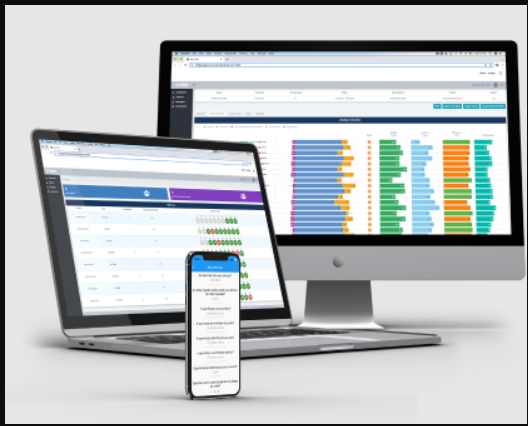
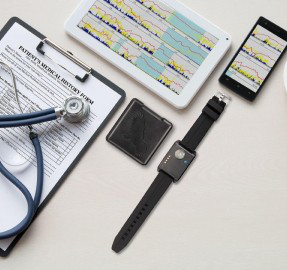
Clinical-grade actigraphy reports typically include summary sleep metrics, graphical actograms, and flagged deviations from normative ranges. For longitudinal studies, trend visualization across monitoring periods is particularly valuable—enabling researchers to observe how sleep patterns shift in response to interventions, schedule changes, or disease progression.
Actigraphy comparison across participant subgroups or monitoring timepoints is most reliable when reports are generated from a consistent template using the same algorithmic parameters. Ad hoc reporting introduces variability that complicates cross-participant or cross-site interpretation.
Frequently Asked Questions
1. What does end-to-end actigraphy data management involve?
It encompasses every stage of the wearable research workflow: device configuration, real-world data collection, transfer and storage, signal processing, quality control, and clinical reporting. An integrated ecosystem connects these stages systematically, reducing manual handling and improving data consistency across large or multi-site studies.
2. How does cloud connectivity improve actigraphy research workflows?
Cloud-integrated actigraph platforms allow research teams to monitor incoming data remotely, identify compliance gaps in real time, and generate preliminary outputs without waiting for device retrieval. This is particularly valuable for decentralized studies or extended monitoring protocols where laboratory visits are not feasible.
3. Why is a Sleep Diary important in actigraphy-based sleep studies?
A Sleep Diary captures the subjective sleep and behavioral context that wearable sensors cannot record independently. When synchronized with actigraphy data, diary entries support sleep-wake classification validation, help contextualize signal anomalies, and provide a richer dataset for clinical and research interpretation.
4. Can actigraphy data be integrated with clinical trial management systems?
Yes, provided the devices and software support compatible export formats. Research teams should confirm data interoperability requirements at the study design stage, including participant identifier linking and format compatibility with electronic data capture and institutional repository systems.
Build Research-Ready Actigraphy Workflows with Condor Instruments
At Condor Instruments, we design wearable monitoring solutions for physicians, sleep specialists, and research teams who need reliable, scalable infrastructure for clinical and academic sleep studies. Our platforms support the full research workflow—from device configuration and real-world data collection through cloud connectivity, automated processing, and clinical reporting.
Whether you are designing a single-site investigation or coordinating a multi-center study requiring structured actigraphy data management, our technology is built to support each stage with precision. Explore our FAQ page for technical guidance on device setup and software integration, or contact our team to discuss how our solutions can support your next study.