


Clinical sleep research now generates larger datasets than ever before. Research groups collect continuous streams from actigraphy monitoring devices across weeks, months, and multi-site trials. Every movement sample, ambient light measurement, and timestamp adds value for physicians, sleep specialists, and sleep researchers who need precise behavioral and circadian insights.
High resolution actigraphy data creates new opportunities for longitudinal analysis, patient stratification, and sleep-wake pattern evaluation. At the same time, these datasets challenge research infrastructure. Storage costs increase quickly. Processing pipelines slow down under heavy workloads. Data transfers create delays across distributed teams.
Research organizations now need efficient systems that support reliable collection, scalable processing, and secure archival practices. Teams that manage these systems effectively improve study quality, accelerate analysis, and reduce operational costs.
This article explores practical strategies for storing, compressing, and processing high resolution actigraphy data in large-scale clinical and research environments.
Why High-Frequency Actigraphy Data Matters
Many sleep laboratories and research institutions now collect data at much higher sampling frequencies than previous generations of wearable systems. Modern actigraphy devices capture movement signals with greater granularity, which supports detailed analysis of sleep-wake cycles, circadian rhythm disorders, treatment adherence, and behavioral trends.
Higher sampling frequencies improve temporal precision. Researchers can identify micro-patterns in activity rhythms, detect subtle behavioral transitions, and evaluate intervention effects with stronger statistical confidence.
Long-duration monitoring also expands research potential. Teams can track seasonal changes, treatment responses, recovery patterns, and longitudinal behavioral variability across large patient populations.
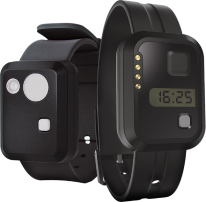
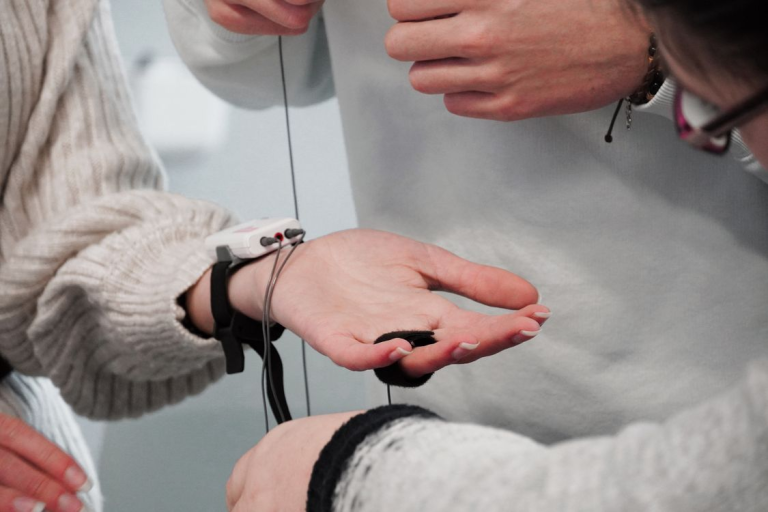
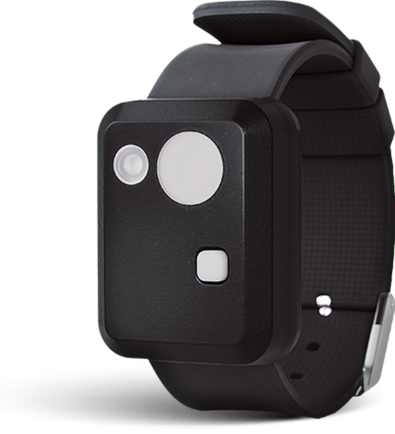
A wrist actigraphy device often records several streams simultaneously, including accelerometry, event markers, timestamps, and light sensor measurements. These streams create rich datasets, but they also generate operational complexity.
A single actigraph study with hundreds of participants can produce millions of records within weeks. Multi-center trials generate far larger datasets. Research teams therefore need scalable infrastructure from the first day of study design.
The Data Growth Challenge in Longitudinal Studies
Storage demands increase rapidly in longitudinal sleep studies. A research team may deploy actigraphy monitoring devices across several sites, each with different collection schedules, participant populations, and synchronization windows.
Raw accelerometer streams consume significant storage space because high-frequency sampling captures continuous movement data across every monitoring period. Teams often preserve raw files to support future validation, secondary analysis, and algorithm refinement.
Researchers also maintain metadata related to:
- Sleep diary entries
- Device calibration logs
- Participant identifiers
- Environmental light exposure
- Compliance markers
- Clinical annotations
- Scoring revisions
These layers expand the total dataset size far beyond the raw accelerometer signal.
Many organizations underestimate long-term storage requirements during pilot studies. Problems emerge later when research teams attempt retrospective analysis or cross-study comparisons.
Institutions that manage high resolution actigraphy data successfully usually create a structured storage hierarchy early in the project lifecycle. Clear data governance reduces duplication, prevents version conflicts, and improves reproducibility.

Structuring Data for Scalable Research Pipelines
Strong data organization improves every downstream operation. Research teams should define standardized file naming conventions, timestamp structures, participant identifiers, and metadata schemas before recruitment begins.
Structured datasets simplify:
- Cross-site synchronization
- Batch processing
- Automated scoring
- Machine learning workflows
- Data quality audits
- Statistical analysis
- Regulatory documentation
Many sleep laboratories now separate raw, processed, and derived datasets into different storage tiers. This structure prevents accidental overwrites and supports auditability.
For example:
- Raw data remains immutable
- Preprocessed data supports cleaning workflows
- Derived datasets support analytics and visualization
This approach improves reproducibility across collaborative studies.
Research teams also benefit from unified time standards. Coordinated timestamps prevent synchronization issues between actigraphy devices, polysomnography systems, and electronic clinical records.
The actigraph device for sleep research often serves as one component inside a broader physiological monitoring ecosystem. Consistent data architecture therefore becomes essential.

Compression Strategies for High Resolution Actigraphy Data
Compression plays a central role in sustainable data management. Without compression, institutions face rising storage costs and slower data movement across networks. Research groups generally choose between lossless and lossy compression methods.
- Lossless Compression
Lossless compression preserves every original value. This approach supports reproducibility, secondary validation, and regulatory consistency.
Most clinical sleep research environments prefer lossless compression because investigators often revisit raw activity signals during exploratory analysis.
Common lossless strategies include:
- Delta encoding for timestamp sequences
- Run-length encoding for repetitive values
- Dictionary compression for metadata fields
- Columnar storage formats
- Binary serialization
Columnar storage formats improve analytical performance because systems retrieve only the required variables instead of entire records.
Many research teams also compress inactive archival datasets separately from active processing datasets. This strategy lowers infrastructure costs while preserving long-term accessibility.
- Lossy Compression
Some exploratory environments use lossy compression for derived datasets or visualization layers. This approach reduces storage requirements significantly, but researchers should apply it carefully.
Lossy methods may remove subtle signal characteristics that influence circadian analysis or sleep fragmentation metrics. Sleep researchers should therefore preserve original recordings whenever possible.
Cloud Infrastructure for Large-Scale Actigraphy Research
Cloud platforms now support many large-scale sleep research initiatives because they provide flexible storage and scalable computing resources.
Traditional local servers often struggle with:
- Rapid dataset expansion
- Multi-site access requirements
- Computational bottlenecks
- Backup redundancy
- Collaborative workflows
Cloud-based systems solve many of these operational limitations.
Research teams can scale storage dynamically as studies expand. Analysts can process datasets across distributed computing clusters instead of relying on a single workstation.
Cloud environments also improve collaboration between physicians, biostatisticians, and sleep researchers across institutions. A centralized repository allows authorized users to access synchronized datasets without manual transfers. However, cloud infrastructure also introduces operational decisions.
Teams must evaluate:
- Storage pricing structures
- Data egress costs
- Encryption policies
- Regional compliance requirements
- User access controls
- Pipeline orchestration tools
- Disaster recovery procedures
Organizations that handle high resolution actigraphy data should design governance policies before migration begins.
Scalable Processing Pipelines for Sleep Research
Large-scale actigraphy studies require automated pipelines that process incoming data efficiently. Manual workflows create delays, inconsistencies, and quality control problems. Automated systems improve throughput while reducing human error.
Modern processing pipelines often include:
- Data ingestion
- Integrity validation
- Timestamp normalization
- Signal cleaning
- Artifact detection
- Feature extraction
- Sleep-wake scoring
- Statistical aggregation
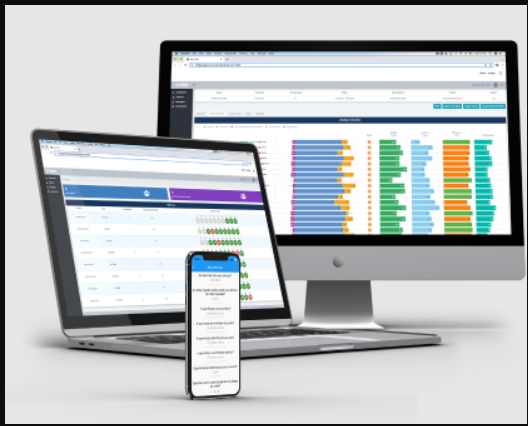
- Visualization generation
- Archival storage
Automation allows research teams to process thousands of participant-days without overwhelming technical staff. Containerized workflows also improve reproducibility. Teams can deploy identical analytical environments across institutions and computing clusters.
Workflow orchestration frameworks schedule large processing tasks automatically and allocate resources dynamically. This structure helps research organizations manage computational spikes during enrollment surges or interim analyses.

Balancing Computational Trade-Offs
Every infrastructure decision involves trade-offs between speed, cost, flexibility, and reproducibility.
Higher sampling frequencies increase analytical precision, but they also increase:
- Storage consumption
- Processing duration
- Network transfer times
- Computational overhead
- Backup requirements
Research teams should align sampling strategies with study objectives.
For example, exploratory circadian rhythm studies may require higher temporal granularity than population-level screening studies.
Similarly, continuous raw signal retention provides long-term analytical flexibility, but archival expenses grow substantially over time.
Some organizations therefore maintain hybrid retention strategies:
- Immediate-access storage for active studies
- Compressed archival storage for completed studies
- Derived analytical datasets for rapid querying
Teams should also evaluate real-time versus batch processing models.
Real-time processing supports rapid intervention studies and compliance monitoring. Batch processing often lowers infrastructure costs and simplifies quality control. No single architecture fits every clinical workflow.
Data Quality Control at Scale
Large datasets amplify small errors. A synchronization issue that affects one participant in a small pilot study may affect hundreds of participants in a multi-center trial.
Research organizations should therefore automate quality control procedures wherever possible.
Important validation checks include:
- Missing timestamp detection
- Sensor dropout analysis
- Calibration verification
- Wear-time validation
- Clock drift analysis
- Duplicate record detection
- Corrupted file screening
Automated alerts help research teams identify problems quickly.
Strong quality assurance protocols also improve downstream statistical validity.
An actigraph dataset loses analytical value quickly when researchers cannot verify integrity across collection periods.
Integrating Machine Learning Into Actigraphy Pipelines
Machine learning workflows continue to expand across sleep and circadian research. Researchers now train models that classify sleep-wake states, identify behavioral phenotypes, estimate circadian disruption, and predict treatment outcomes.
These models require structured, high-quality datasets with scalable processing support.
Feature engineering often includes:
- Activity counts
- Variability metrics
- Circadian regularity measures
- Light exposure trends
- Temporal transitions
- Nonparametric rhythm statistics
Machine learning pipelines also require version control, reproducible preprocessing steps, and consistent labeling standards.
Research teams that manage high resolution actigraphy data effectively create stronger foundations for future algorithm development.
Security and Governance in Clinical Research Environments
Sleep research institutions handle sensitive participant information. Strong security governance therefore remains essential.
Research teams should implement:
- Encryption during transfer
- Encryption at rest
- Role-based access controls
- Audit loggin
- Secure authentication workflows
- Data retention policies
- Backup validation procedures
FAQs
1. Why does high resolution actigraphy data require specialized storage strategies?
High-frequency datasets generate massive volumes of continuous movement and light sensor data. Structured storage systems help research teams improve scalability, processing speed, and long-term data accessibility.
2. How do researchers compress actigraphy data without losing accuracy?
Most clinical studies use lossless compression methods to preserve raw signals from actigraphy devices. This approach supports reproducibility, secondary analysis, and reliable longitudinal research.
3. What challenges do sleep researchers face with large actigraph datasets?
Researchers often manage storage growth, synchronization errors, processing delays, and multi-site collaboration issues when handling long-duration actigraphy monitoring devices in large studies.
4. Why do many institutions use cloud pipelines for actigraphy research?
Cloud-based pipelines help physicians and sleep researchers process high resolution actigraphy data more efficiently by supporting scalable computing, centralized access, and automated workflows for large clinical studies.
Advance Your Sleep Research Infrastructure With Condor Instruments
At Condor Instruments, we help physicians, sleep specialists, and sleep researchers manage demanding clinical and research workflows with advanced actigraphy devices designed for long-duration monitoring and scalable data collection.
We understand the operational challenges that accompany high resolution actigraphy data, including storage growth, multi-site coordination, and large-scale analysis requirements. Our solutions support efficient integration into modern clinical and research environments while helping teams maintain data quality and workflow consistency.
Our actigraphy monitoring devices include integrated light sensor functionality and reliable longitudinal monitoring capabilities for clinical sleep and circadian studies. We also support research teams that need a dependable replacement for Philips actigraph systems, which no longer remain available globally.
Whether your organization conducts population-scale sleep studies, longitudinal circadian research, or clinical monitoring initiatives, we provide tools that support scalable workflows and reliable data acquisition.
Explore how our wrist actigraphy device solutions and actigraph device for sleep research platforms can strengthen your next study and improve your operational efficiency. Contact us today to learn more.