

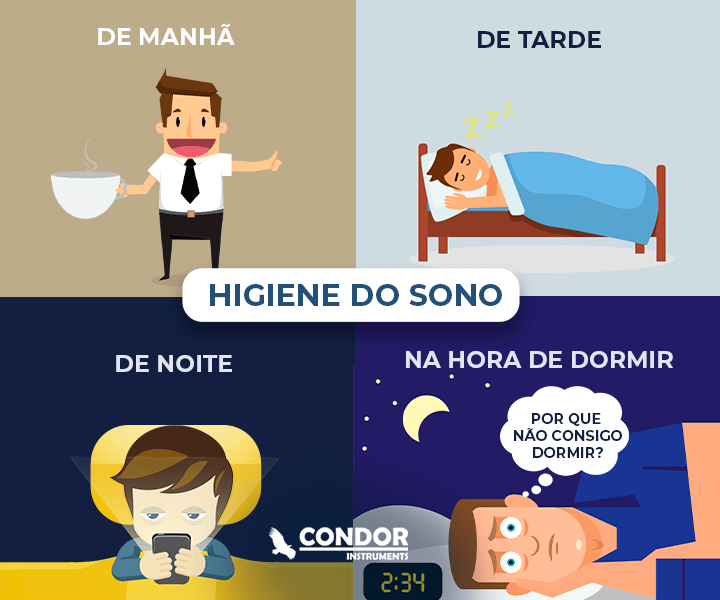
Sleep hygiene can be described as practicing behaviors that improve sleep quality and avoiding behaviors that negatively interfere with sleep quality (RIEDEL, 2000). It includes recommendations for improving sleep quality, such as taking time to relax before going to bed, and information about the benefits of a regular sleep routine. In this way, it is possible to assess and modify the behavior that leads to a possible sleep complaint. The purpose of this article is to briefly explain the basis for some sleep hygiene recommendations and demonstrate how to assess these behaviors.
The behaviors that make up sleep hygiene include:
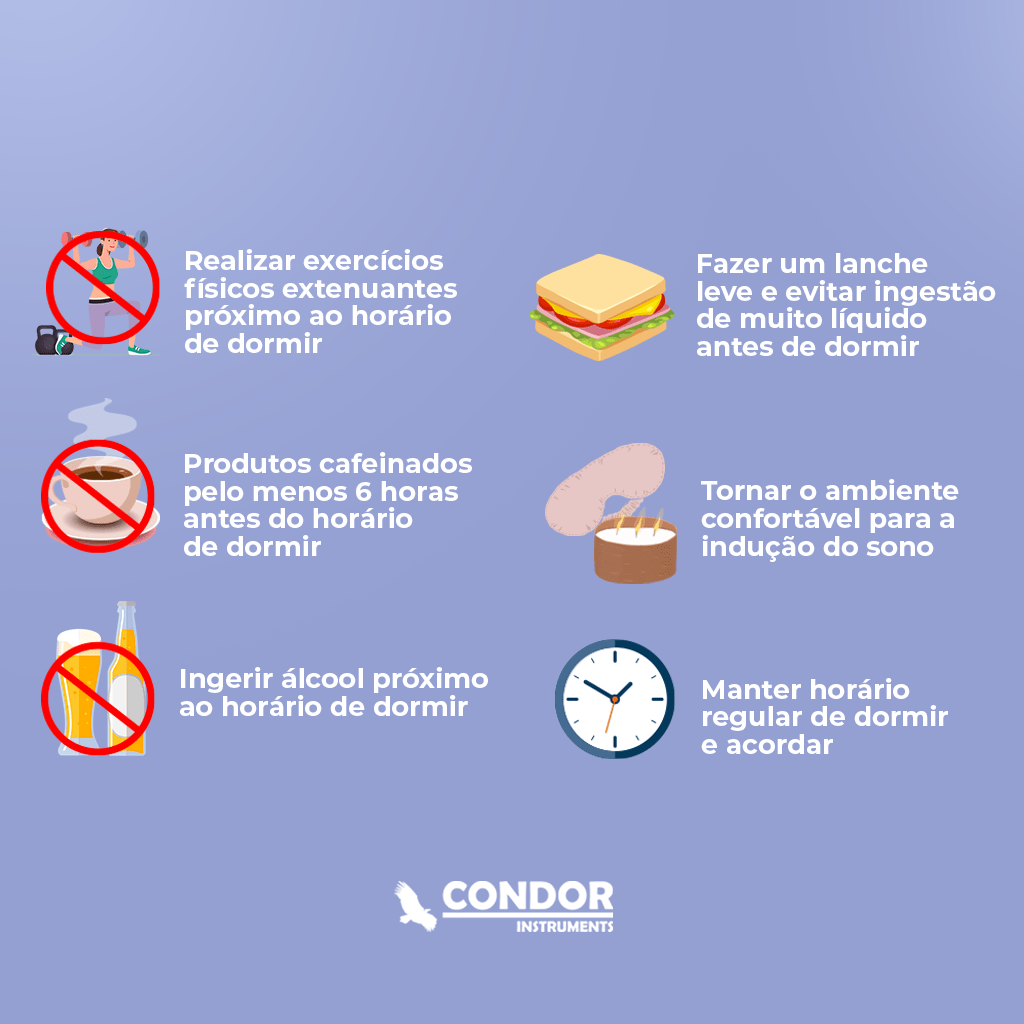
1. Do not do strenuous physical exercise close to bedtime
It is well established in scientific literature that regular physical exercise improves sleep quality, especially aerobic exercise such as running, swimming and cycling (PASSOS; POYARES; SANTANA; D’AUREA et al., 2011). However, exercising increases the concentration of cortisol and raises core temperature, factors which, if done close to bedtime, can have a negative impact on sleep quality. In addition, most gyms have bright lighting, which also contributes negatively to sleep quality (DIJK; ARCHER, 2009).
2. Avoid naps during the day, especially long naps after 3 p.m.
Napping in the afternoon can have a negative impact on sleep quality by reducing the homeostatic component of sleep regulation. To find out more, read https://condor.fabbricaweb.com.br/como-o-sono-e-regulado/. Ideally, the duration of the nap should not exceed 100 minutes (OHAYON; WICKWIRE; HIRSHKOWITZ; ALBERT et al., 2017).
3. Have a light snack and avoid drinking too much liquid before bedtime
This helps to prevent glucose levels from being reduced during the night and, as a result, waking up to eat and/or use the bathroom (CRISPIM; ZIMBERG; DOS REIS; DINIZ et al., 2011).
4. Avoid caffeinated products at least 6 hours before bedtime
Caffeine is a stimulating substance in the central nervous system that acts by preventing adenosine from binding in the basal forebrain. It thus contributes to maintaining wakefulness. The half-life of caffeine is 6 hours, which is why it is important to avoid taking it close to bedtime. It should preferably be avoided after 3pm (DRAKE; ROEHRS; SHAMBROOM; ROTH, 2013).
5. Avoid drinking alcohol close to bedtime
Although the general public claims that drinking alcohol helps improve sleep quality, science does not support this claim. Excessive alcohol intake before bedtime impairs sleep architecture, causing nocturnal awakenings alcohol (COLRAIN; NICHOLAS; BAKER, 2014).
6. Avoid nicotine consumption
Nicotine also acts as a stimulant on the central nervous system and for this reason its consumption should be avoided close to bedtime (SAINT-MLEUX; EGGERMANN; BISETTI; BAYER et al., 2004). In addition, smokers often have trouble sleeping when trying to quit.
7. Wear earplugs to reduce external noise
Even the quietest noises can contribute negatively to sleep quality, so it’s important to avoid this condition by using earplugs or adopting white noise, such as the sound of air conditioning or a fan.
8. Avoid sleeping with pets
Pets tend to move around during the night, getting on and off the bed, which can cause unwanted movements and, consequently, nocturnal awakenings.
9. Make the environment comfortable for inducing sleep
Temperature, lighting and the type of bed are fundamental for a good quality of sleep. The temperature in the bedroom should ideally be between 20-23ºC and the lighting should be as dim as possible (SAINT-MLEUX; EGGERMANN; BISETTI; BAYER et al., 2004).
10. Maintain regular bedtimes and wake-up times
Maintaining regular schedules promotes better circadian response. This can be achieved by setting alarms in the morning, even during weekends and holidays (CHELLAPPA; MORRIS; SCHEER, 2018).
11. Avoid exposure to light at least 2 hours before starting to sleep and increase exposure to light as soon as you wake up.
Light is the main temporal cue for sleep regulation (DIJK; ARCHER, 2009). In short, when there is light in the room, the brain “understands” that it’s time to wake up. Therefore, it’s important that when you wake up, you “warn” your body that the day has arrived and, during the night, let it know that it can now get ready for bed. If it’s not possible to avoid light during this period, use the blue light filter on smartphones (CHANG; AESCHBACH; DUFFY; CZEISLER, 2015). To find out more, read https://condor.fabbricaweb.com.br/terapia-de-luz-e-ritmos-biologicos/.
Contraindications to sleep hygiene
- Complete darkness in the bedroom can be detrimental to older people who are at risk of episodes of disorientation and/or falls (considering situations where it is necessary to wake up during the night to go to the toilet/drink water or other activity).
- The use of earplugs may not be possible for patients who work as caregivers.
- The recommendation to avoid smoking, for chronic smokers, can be more harmful to sleep than the act of smoking itself.
How to assess sleep hygiene
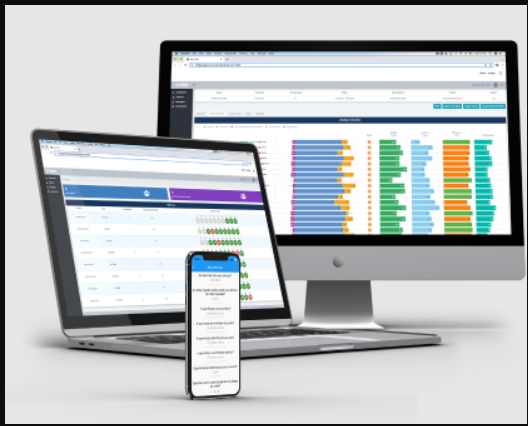
Questionnaires can be used for this purpose. The Sleep Hygiene Index (Sleep Hygiene Index) contains 13 items in which the respondent must report the frequency of sleep-related behaviors and habits (MASTIN; BRYSON; CORWYN, 2006; TONON; AMANDO; CARISSIMI; FREITAS et al., 2020). At the end, an overall score is generated, and the higher the score, the worse the sleep hygiene of the person being assessed. For athletes, the Athlete Sleep Behavior Questionnaire (Athletes Sleep Behavior Questionnaire). This questionnaire contains 20 questions specific to athletes (such as the presence of competitions and training at night, the frequency with which they sleep in different rooms, among others). At the end, a score is generated and sleep behavior is classified as good, intermediate or poor (DRILLER; MAH; HALSON, 2018; FACUNDO; ALBUQUERQUE; ESTEVES; DRILLER et al., 2021).
Sleep pattern assessment
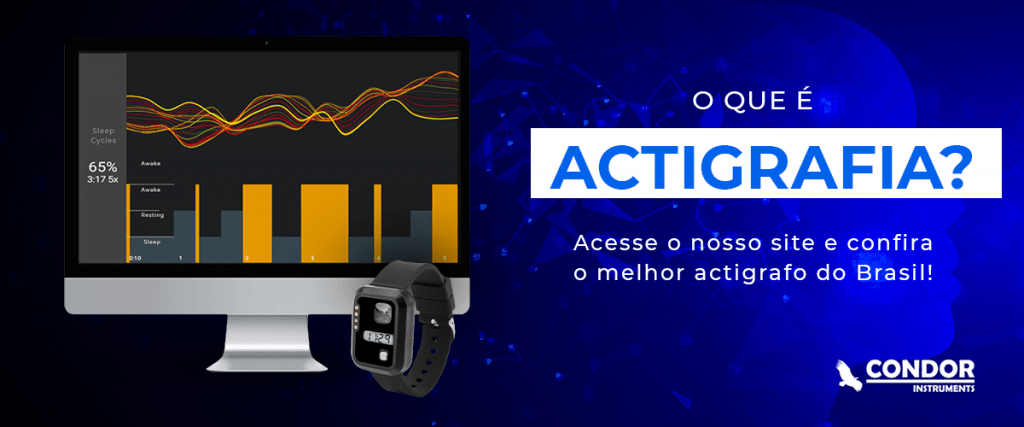
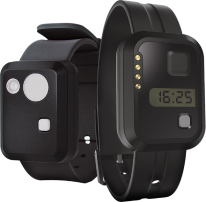
Actigraphy is a non-invasive technique that can be used to assess sleep patterns and the sleep-wake rhythm. The actigraph is a device similar to a wristwatch that contains light, movement and temperature sensors. Using this information, it is possible to extract data on variables such as total sleep time, sleep onset latency, time awake after sleep onset, sleep efficiency, time awake and rhythm-related variables such as cosinor, spectrogram, periodogram and non-parametric variables such as L5, M10, IS and IV. With this data, it is easy to analyze whether a given intervention is having an effect.