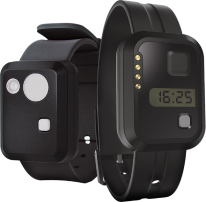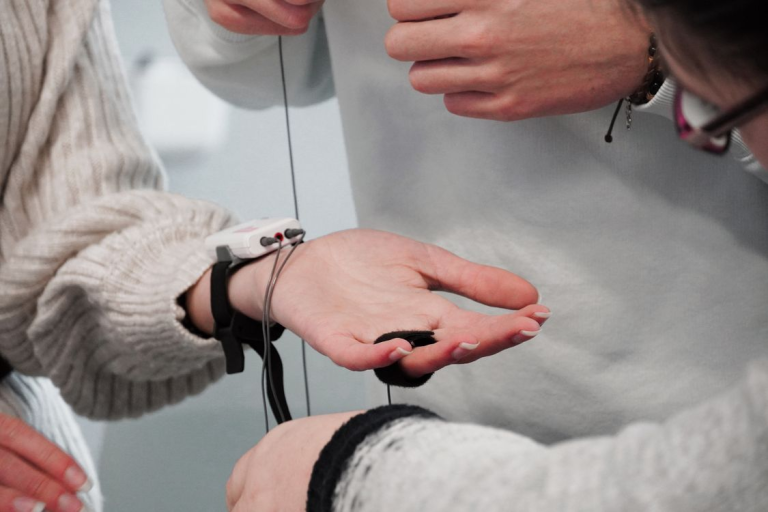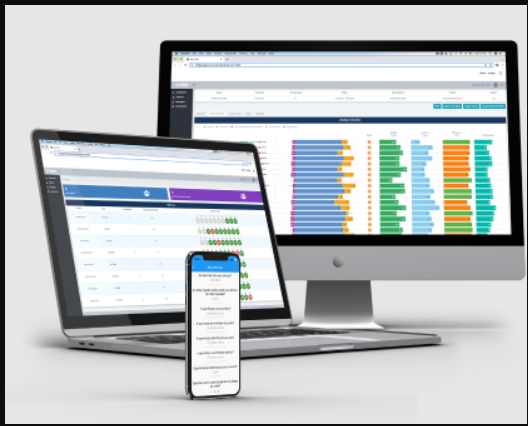


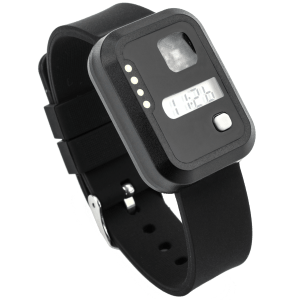
In today’s fast-paced world, maintaining consistent and restful sleep can be a challenge—especially for frequent travelers. Whether you’re hopping between time zones or adjusting to unfamiliar environments, jet lag and disrupted routines can wreak havoc on your circadian rhythm. This is where actigraphy watches step in, offering a practical solution for monitoring and improving sleep patterns on the go. More than just a fitness trend, these wearable devices provide valuable insights that can help travelers stay healthy and well-rested, no matter where they are in the world.
What Is Actigraphy?
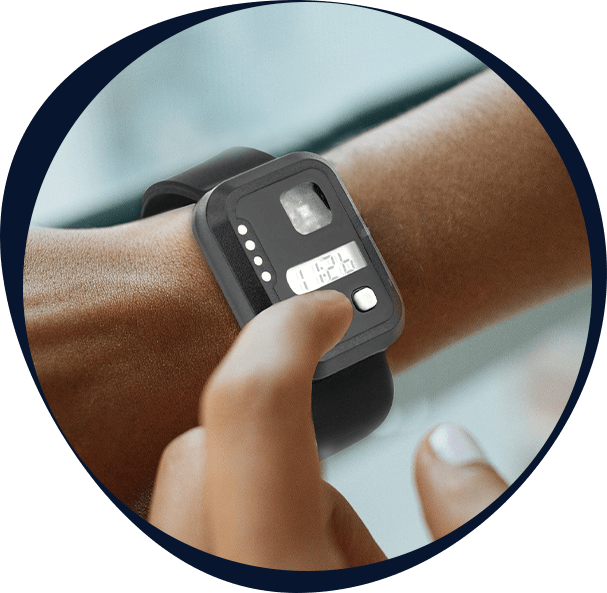
Actigraphy is a non-invasive method of monitoring human rest/activity cycles using a wrist
-worn device—typically referred to as an actigraph or Actigraphy watch. These devices track movement using an accelerometer and translate that data into estimates of sleep and wake periods. Unlike sleep diaries or even one-off sleep studies, actigraphy provides continuous data over days or weeks, which is especially helpful for identifying sleep disruptions in real-world settings.
Why Travelers Need Better Sleep Tracking
For those who travel frequently—whether for work or leisure—sleep can become fragmented and unpredictable. Different time zones, hotel beds, and packed itineraries can all contribute to poor sleep quality. While traditional sleep tracking apps or smartwatches offer some data, they often lack the detailed analysis needed to understand long-term patterns. That’s where actigraphy has a distinct advantage.
Actigraphy watches are designed to capture subtle variations in sleep behavior over time. This level of detail is particularly useful for frequent flyers who need to monitor their adaptation to new time zones or recover from sleep debt accumulated during long-haul flights.
Benefits of Actigraphy for Travelers
1. Jet Lag Management:
Actigraphy can help track how quickly your body adjusts to a new time zone, allowing you to fine-tune your sleep schedule for faster recovery. Some watches even sync with apps that offer light exposure or melatonin guidance to reset your internal clock.
2. Long-Term Sleep Data:
Because Actigraphy watches collect data over extended periods, they help users identify persistent issues like sleep fragmentation or insufficient deep sleep. This is particularly useful for travelers who suspect their frequent trips are impacting their health but need solid data to confirm it.
3. Sleep Efficiency Tracking:
These watches can estimate how much of your time in bed is actually spent sleeping, offering a clearer picture of sleep efficiency. This helps frequent travelers differentiate between simply being in bed and truly getting restorative rest.
Practical Application: From Data to Action
One of the biggest advantages of using actigraphy is its potential for actionable insights. With continuous feedback, travelers can adjust habits—such as avoiding caffeine late in the day, using blackout curtains, or adjusting bedtime routines—to optimize sleep even when away from home. Over time, the data collected by Actigraphy watches can also be shared with sleep specialists or healthcare providers for deeper analysis and personalized recommendations.
Conclusion
For frequent travelers, sleep is often the first casualty of a hectic schedule. But with the help of Actigraphy watches, it’s possible to gain control over your sleep health and make informed choices that lead to better rest, improved energy, and a more balanced life—no matter where your journey takes you.
Research Sleep Disruptions Easily with Actigraphy Devices from Condor Instruments
Track sleep patterns accurately with Condor Instruments’ actigraphy watches. Ideal for supplementing sleep diary apps, these devices offer reliable, real-world data to help you understand and improve sleep health with ease. Contact us now to learn more.