


Understanding the Importance of Sleep Onset Latency
Sleep onset latency (SOL) refers to the time it takes to fall asleep after getting into bed. It’s a crucial sleep metric in both research and clinical settings, particularly in diagnosing insomnia, anxiety-related sleep disturbances, and neurodevelopmental conditions like ADHD and autism. Prolonged SOL can negatively affect sleep quality, leading to daytime fatigue, irritability, and reduced cognitive performance. Misjudging or overlooking this metric can result in misdiagnosis or suboptimal treatment plans, making accurate, ongoing measurement essential.
Subjective reports and paper-based sleep diaries are commonly used but often lack accuracy due to human error or recall bias. That’s where actigraphy—through the use of a wearable actigraph—adds precision. It offers a validated, objective way to monitor SOL over time while capturing real-world behavior in the patient’s natural sleep environment.
Why Actigraphy Is Ideal for Measuring Sleep Onset Latency
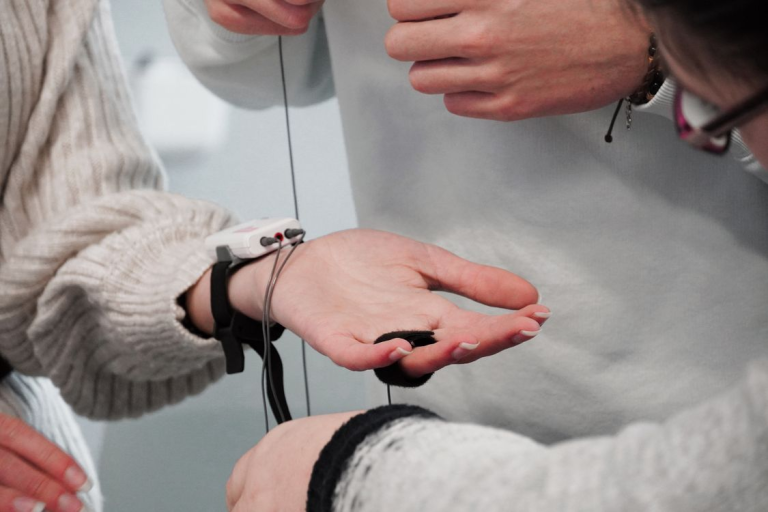
Actigraphy monitoring devices track subtle movement patterns using accelerometers, enabling clinicians to determine when the body shifts from wakefulness to sleep. When activity drops below a certain threshold for a continuous period, sleep onset is recorded. This method provides a far more reliable SOL estimate than relying on patient perception alone.
In many clinical cases, actigraphy reveals significant discrepancies between reported and actual sleep onset times. This is especially important when treating patients with paradoxical insomnia, who feel like they haven’t slept even when the data shows otherwise. Objective measurement creates clarity, builds trust between patient and clinician, and helps shape more effective treatment strategies.
Merging Subjective and Objective Sleep Data
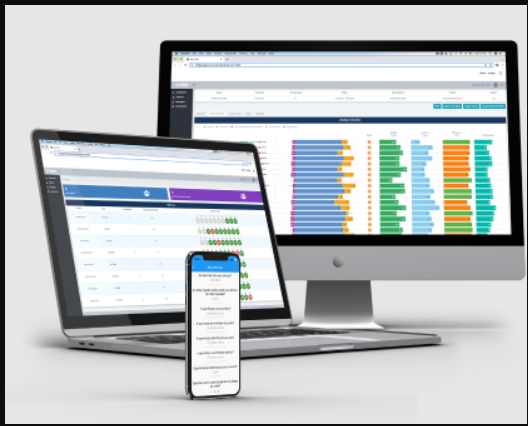
When actigraphy is paired with a sleep diary app or sleep journal software, the result is a comprehensive sleep profile. These digital diaries allow patients to log perceptions, sleep routines, or disruptions, while the actigraph objectively records what’s happening.
Condor Instruments’ ActStudio software makes this comparison seamless by presenting subjective and objective data side-by-side. This empowers clinicians to make nuanced assessments, adjust interventions, and monitor progress over time—especially valuable in cognitive behavioral therapy for insomnia (CBT-I) and other behavioral interventions.

Actigraphy Across Diverse Populations
Children, who may find traditional sleep lab environments stressful, benefit greatly from actigraphy’s non-invasive design. It allows for SOL tracking in familiar settings, aiding in the diagnosis of sleep disturbances related to ADHD, autism, or behavioral issues.
In psychiatric populations, extended sleep onset latency is common and can serve as a symptom of mood or anxiety disorders. Older adults may also experience delays due to age-related changes in circadian rhythms or medication effects. Actigraphy enables accurate, long-term data collection in all these groups without disrupting daily routines.
How We Support Sleep Research at Condor Instruments
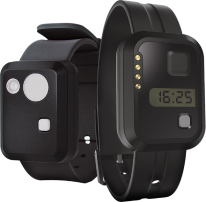
At Condor Instruments, we provide innovative actigraphy solutions tailored for modern clinical and research applications. Our ActTrust 2 and ActLumus actigraphs offer high-resolution monitoring of activity, light exposure, and skin temperature—crucial factors in evaluating sleep onset latency and sleep-wake cycles.
Combined with our Sleep Diary App and ActStudio software, our ecosystem gives clinicians and researchers everything they need to make evidence-based decisions. Whether you’re working with pediatric patients, adults with chronic insomnia, or complex neuropsychiatric profiles, our tools are designed to elevate your insights and outcomes.
We’re committed to supporting your sleep research with advanced, user-friendly technology. Contact us today to learn how Condor Instruments can help you measure what matters.