


Sleep research has evolved far beyond simple observations of rest and activity. Today, clinicians and researchers rely on advanced tools that capture physiological and environmental data continuously and non-invasively. Among these tools, actigraphy has emerged as a cornerstone methodology, offering scalable, real-world insights into sleep-wake patterns. However, modern applications go well beyond motion tracking. By leveraging multi-sensor capabilities, the contemporary actigraph provides a richer, more nuanced understanding of sleep behavior.
This blog explores how multi-sensor actigraphy enhances sleep analysis, the role of complementary tools like the sleep diary, and how features such as a light sensor expand research and clinical potential.
Understanding the Foundations of Actigraphy
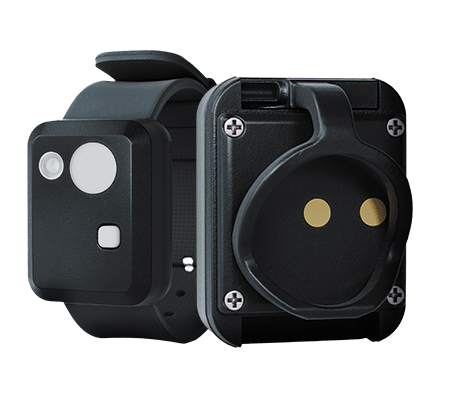
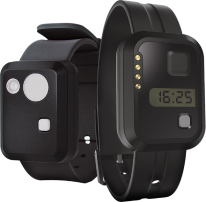
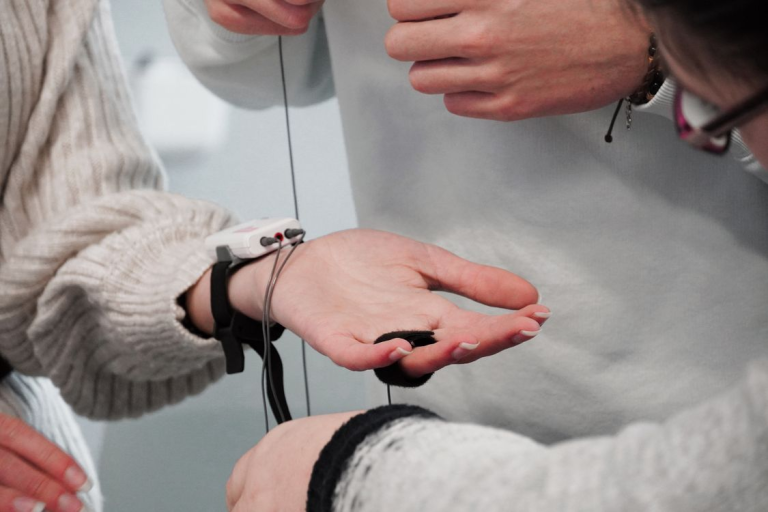
At its core, actigraphy involves the use of a wearable device, commonly worn on the wrist, to monitor movement over extended periods. The device, often referred to as an actigraph, collects accelerometer data that is translated into sleep and wake estimates through validated algorithms.
Traditionally, actigraphy has been used in both clinical and research settings to:
- Assess circadian rhythm disorders
- Monitor insomnia and hypersomnia
- Evaluate treatment outcomes
- Track sleep patterns in naturalistic environments
Unlike polysomnography, Actigraphy allows for long-term, unobtrusive monitoring, making it particularly valuable in longitudinal studies and large-scale population research.
However, relying solely on motion data has limitations. Quiet wakefulness can be misclassified as sleep, and certain sleep disorders may not be fully captured through movement alone. This is where multi-sensor integration becomes transformative.
The Shift Toward Multi-Sensor Actigraph Devices
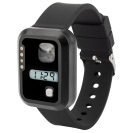
Modern actigraph devices are no longer limited to accelerometry. They now incorporate additional sensors that provide contextual and physiological data, enhancing the accuracy and interpretability of sleep metrics.
Key sensors often include:
- Light sensors for environmental light exposure
- Temperature sensors for skin and ambient conditions
- Event markers for user-reported inputs
- Sometimes heart rate or galvanic skin response in advanced models
This multi-sensor approach enables a more holistic understanding of sleep behavior by integrating external and internal influences.
Role of the Light Sensor in Sleep Research
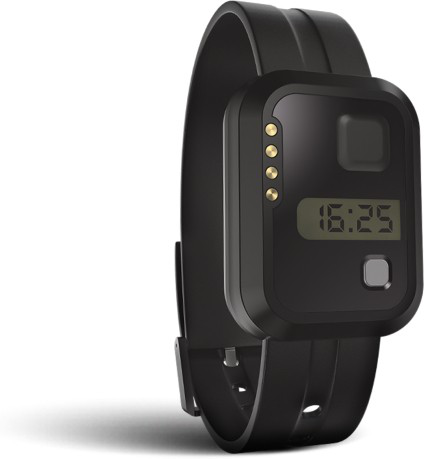
Light is one of the most powerful regulators of the human circadian system. Exposure to light at specific times can shift sleep phases, impact melatonin secretion, and influence overall sleep quality.
A built-in light sensor in an actigraph captures:
- Intensity of light exposure
- Timing of exposure throughout the day
- Duration of exposure to natural and artificial light
Why This Matters
By analyzing light exposure patterns alongside movement data, researchers can:
- Identify circadian misalignment
- Assess the impact of screen time before bed
- Evaluate interventions such as light therapy
- Understand environmental contributors to sleep disorders
For example, delayed sleep phase disorder often correlates with insufficient morning light exposure and excessive evening light. Without a Light Sensor, this critical insight would remain hidden.
Beyond basic exposure metrics, the light sensor enables more granular circadian modeling. Advanced analyses can differentiate between photopic and melanopic light exposure, which is particularly relevant for understanding melatonin suppression and circadian phase shifting. This becomes especially important in environments dominated by artificial lighting, such as hospitals, offices, and shift-work settings.
Integrating the Sleep Diary for Contextual Accuracy
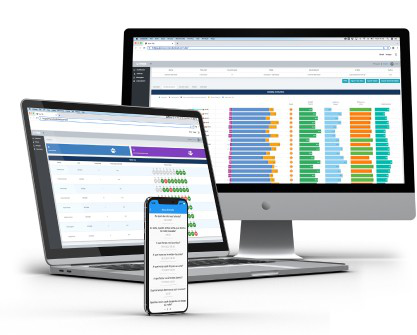
While sensor data provides objective measurements, subjective input remains essential. The sleep diary plays a crucial role in bridging the gap between recorded data and lived experience.
A typical Sleep Diary includes:
- Bedtime and wake time
- Perceived sleep latency
- Night awakenings
- Sleep quality ratings
- Lifestyle factors such as caffeine intake or stress
Enhancing Data Interpretation
When combined with actigraphy data, the sleep diary helps to:
- Validate algorithm-derived sleep metrics
- Identify discrepancies between perceived and actual sleep
- Improve scoring accuracy
- Provide context for anomalies in the data
For instance, an individual may remain still for extended periods while awake. The actigraph might classify this as sleep, but the sleep diary can clarify the true state, improving data fidelity.
The integration of digital sleep diary platforms has further strengthened data quality. Time-stamped entries, automated reminders, and mobile-based logging reduce recall bias and improve participant compliance, particularly in long-duration studies.
Moreover, combining sleep diary inputs with sensor-based event markers allows for precise synchronization between subjective and objective datasets. This alignment enhances epoch-level scoring accuracy and improves the detection of sleep onset latency and wake periods. As a result, clinicians and researchers can generate more reliable sleep profiles for both diagnostic and research purposes.
Beyond Movement: Multi-Dimensional Sleep Insights

The integration of multiple sensors transforms actigraphy from a unidimensional tool into a comprehensive sleep assessment platform.
1. Circadian Rhythm Analysis
Combining movement and light sensor data allows for precise mapping of circadian rhythms. Researchers can evaluate:
- Sleep onset and offset timing
- Phase shifts across days
- Alignment with environmental light cycles
This is particularly useful in shift-work research and jet lag studies.
2. Sleep Efficiency and Fragmentation
Traditional actigraphy measures such as:
- Total sleep time
- Sleep efficiency
- Wake after sleep onset
become more robust when interpreted alongside environmental and behavioral data.
3. Behavioral and Environmental Correlations
Multi-sensor actigraphy enables correlation analysis between:
- Light exposure and sleep latency
- Temperature changes and nocturnal awakenings
- Daily activity levels and sleep quality
This allows for more targeted interventions and personalized recommendations.
Further expanding this capability, multi-sensor datasets support deeper analytical modeling. Researchers can identify complex interactions between environmental exposure and behavioral responses, enabling predictive insights into sleep disturbances. This is particularly valuable in precision sleep medicine, where individualized treatment strategies depend on high-resolution, multi-dimensional data.
Clinical Applications of Multi-Sensor Actigraphy
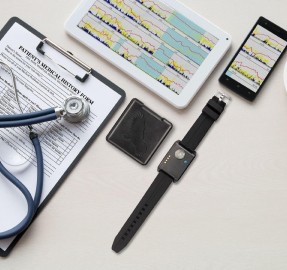
The expanded capabilities of modern actigraph devices have significant implications for clinical practice.
Insomnia Management
By combining actigraphy with Sleep Diary inputs, clinicians can differentiate between:
- Sleep state misperception
- Behavioral insomnia patterns
- Environmental disruptions
This supports more precise cognitive behavioral therapy interventions.
Circadian Rhythm Disorders
The inclusion of light sensor data is critical for diagnosing and managing conditions such as:
- Delayed sleep phase disorder
- Advanced sleep phase disorder
- Non-24-hour sleep-wake disorder
Light exposure patterns provide actionable insights for treatment planning, including timed light therapy.
Pediatric and Geriatric Sleep Monitoring
Multi-sensor actigraphy is particularly valuable in populations where traditional sleep studies are challenging. Continuous monitoring offers:
- Non-invasive data collection
- Real-world behavioral insights
- Improved compliance
Research Implications and Advancements
In research settings, multi-sensor actigraphy supports more sophisticated study designs and outcomes.
Large-Scale Population Studies
Wearable actigraph devices enable scalable data collection across diverse populations, capturing:
- Longitudinal sleep trends
- Environmental influences on sleep
- Behavioral variability
Integration with Digital Health Platforms
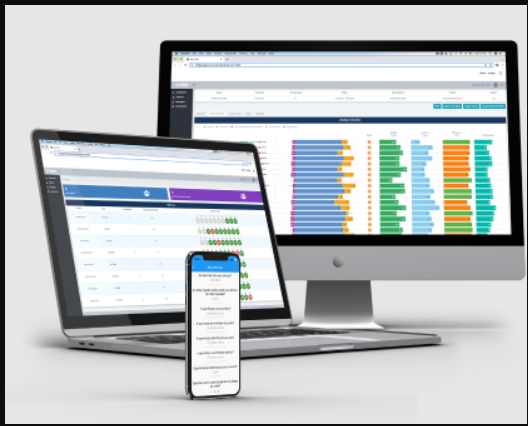
Modern Actigraphy systems often integrate with software platforms that allow:
- Real-time data visualization
- Remote monitoring
- Automated scoring and reporting
This enhances both data accessibility and analytical efficiency.
Improved Algorithm Development
Multi-sensor datasets provide richer inputs for machine learning models, leading to:
- More accurate sleep-wake classification
- Enhanced detection of sleep disorders
- Personalized sleep analytics
Limitations and Considerations
Despite its advantages, multi-sensor actigraphy is not without challenges.
Data Complexity
The addition of multiple sensors increases data volume and complexity, requiring advanced analytical frameworks and expertise.
Calibration and Standardization
Differences in device specifications and algorithms can impact data comparability across studies.
User Compliance
Accurate data collection depends on consistent device usage and reliable Sleep Diary entries.
Addressing these challenges requires standardized protocols, user education, and robust data validation methods.
Future Directions in Actigraphy
The future of actigraphy lies in deeper integration, smarter analytics, and broader clinical adoption.
Emerging trends include:
- Integration with physiological sensors such as heart rate variability
- AI-driven sleep staging models
- Personalized sleep recommendations based on multi-modal data
- Expansion into mental health and cognitive performance research
As technology continues to evolve, the actigraph will play an increasingly central role in precision sleep medicine.
Conclusion
Multi-sensor actigraphy represents a significant advancement in sleep science. By moving beyond simple movement tracking, modern actigraph devices provide a comprehensive view of sleep that incorporates environmental, behavioral, and physiological factors.
The inclusion of tools like the sleep diary and features such as the light sensor enhances both the accuracy and interpretability of sleep data. Together, these elements enable clinicians and researchers to uncover deeper insights, improve diagnostic precision, and develop more effective interventions.
As the field continues to evolve, leveraging multi-sensor actigraphy will be essential for advancing both clinical practice and sleep research.
Utilize Multi Sensor Actigraphs from Condor Instruments for a Seamless Workflow
Streamline your research with advanced actigraphy solutions featuring integrated light sensor technology and sleep diary compatibility. Enhance data accuracy, improve compliance, and unlock deeper sleep insights with reliable actigraph systems designed for clinical and research excellence. Contact now to get started.
Frequently Asked Questions
1. How does a multi-sensor actigraph improve sleep measurement accuracy?
It combines movement data with environmental and physiological inputs such as light exposure, reducing misclassification and providing more context for sleep patterns.
2. Why is a sleep diary still needed with advanced actigraphy?
A Sleep Diary captures subjective experiences and behavioral context, helping validate and refine objective sensor data.
3. What role does a light sensor play in actigraphy?
A Light Sensor tracks light exposure, which is critical for understanding circadian rhythms and identifying factors affecting sleep timing and quality.
4. Can actigraphy replace polysomnography?
Actigraphy is not a full replacement but serves as a complementary tool for long-term, real-world sleep monitoring and large-scale studies.