


Insomnia, a prevalent sleep disorder, affects millions globally, leading to long-term physical and mental health challenges. It is typically characterized by difficulty falling asleep, staying asleep, or waking up too early, often leaving individuals fatigued and impaired during daily activities. For healthcare providers, accurately diagnosing and managing insomnia has been a challenge, as traditional methods of sleep tracking are often invasive, uncomfortable, or costly.
How Actigraphy Aids in Diagnosing Insomnia
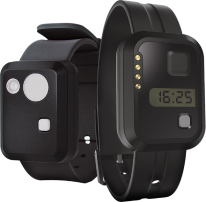
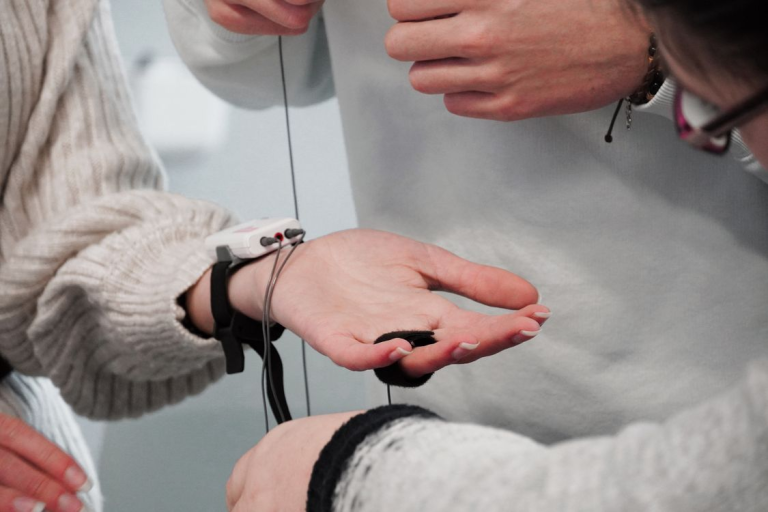
One of the most effective and non-invasive solutions for insomnia management is actigraphy. Actigraphy involves the use of small, wrist-worn devices that monitor sleep patterns over extended periods. The actigraph is capable of recording data such as movement and rest periods during sleep, which helps in identifying disturbances and inconsistencies that may indicate insomnia. Unlike traditional sleep studies that require patients to be monitored overnight in a sleep clinic, actigraphy provides continuous data without the need for intrusive equipment. This makes it a more comfortable and practical option for patients, especially those with chronic insomnia.
Tracking Sleep Patterns with Precision
The precision of actigraphy monitoring devices allows healthcare providers to track sleep cycles in real-time. By using this technology, doctors can identify how often a patient experiences disturbances, such as waking up multiple times during the night or not getting enough REM sleep. Over time, actigraphy devices can also provide insights into the underlying causes of insomnia, such as circadian rhythm issues or sleep fragmentation. This information is essential for developing tailored treatment plans that may include behavioral interventions, lifestyle adjustments, or medication.

Actigraphy’s Role in Managing Chronic Insomnia
One of the key benefits of actigraphy is its ability to track sleep over extended periods, allowing healthcare providers to understand the patterns and triggers of a patient’s insomnia. This long-term data collection helps in determining the effectiveness of prescribed treatments. For example, patients who are undergoing cognitive behavioral therapy (CBT-I) for insomnia can use actigraphy to monitor their progress. The device tracks sleep improvements over time, offering tangible evidence of recovery, which is often motivating for patients.
Personalizing Treatment Plans for Better Results
With detailed insights into sleep behaviors, healthcare providers can tailor their treatment strategies based on individual needs. For example, using data from an actigraphy monitoring device, a doctor may recommend lifestyle changes like reducing caffeine intake or adjusting the patient’s sleep environment. The real-time data collected from an actigraph ensures that interventions can be modified based on how the patient responds to treatment, improving the likelihood of long-term success.
Condor Instruments: Revolutionizing Insomnia Treatment with Actigraphy
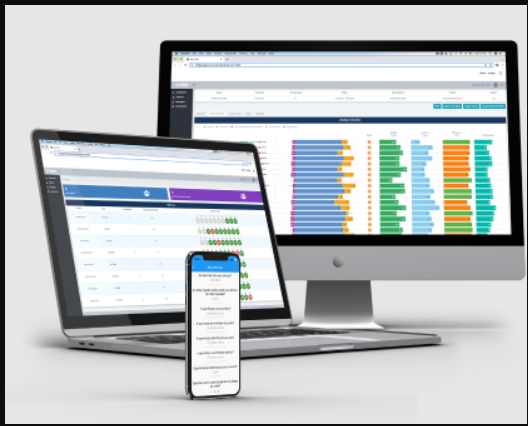
At Condor Instruments, we understand the importance of effective insomnia management. That’s why we offer advanced actigraphy devices like our ActLumus and ActTrust 2 models, designed for precise sleep monitoring. Our ActStudio software and Sleep Diary App provide seamless integration for data analysis and tracking, empowering healthcare providers to offer better patient care. With our technology, we aim to transform how insomnia is diagnosed and treated, ensuring better sleep quality for your patients.
Reach out to Condor Instruments today to discover how our cutting-edge actigraphy solutions can support you in managing insomnia and improving patient outcomes.