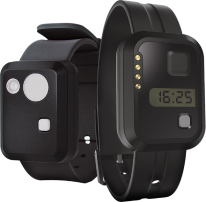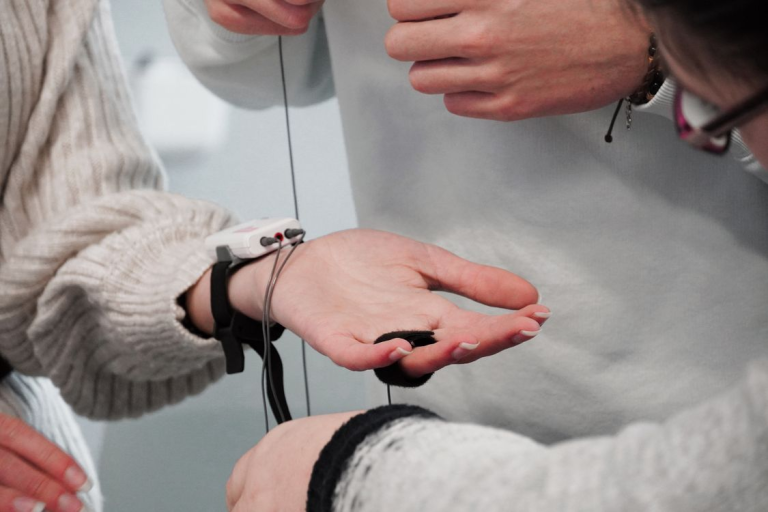


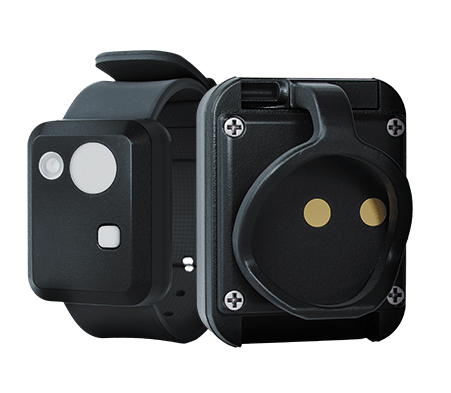
Continuous monitoring with actigraphy is central to modern sleep and circadian rhythm research. However, a persistent methodological challenge is distinguishing true inactivity from periods when a device is not worn. Non-wear time, if misclassified, can distort key metrics such as sleep duration, activity counts, and circadian patterns. Advanced non-wear detection algorithms address this challenge by applying smart analytics to preserve dataset integrity and ensure valid outcomes.
Understanding the Impact of Non-Wear Time
Actigraphy devices infer behavioral states from motion signals. When a device is removed, it often records zero or near-zero activity, which can be incorrectly classified as sleep or sedentary behavior. This introduces systematic bias and reduces data reliability.
Non-wear periods may result from discomfort, charging, or participant non-compliance. In large-scale or longitudinal studies, even small classification errors can compound, affecting statistical power and reproducibility. Accurate identification of non-wear time is therefore essential for both clinical and research-grade applications.
Core Principles of Non-Wear Detection Algorithms
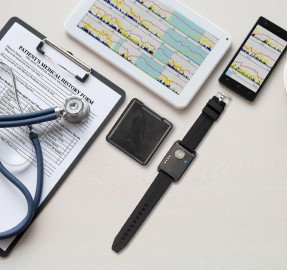
Non-wear detection algorithms aim to differentiate physiological inactivity from device removal. Traditional approaches rely on rule-based thresholds, such as identifying extended periods of zero activity counts.
While simple, these methods are limited. Prolonged immobility, especially in clinical populations, can resemble non-wear patterns. To address this, more advanced algorithms incorporate additional parameters, including signal variability and contextual data.
Combining multiple indicators improves classification accuracy and reduces false positives. The goal is to create robust detection logic that performs consistently across diverse populations and study conditions.
Leveraging Multi-Sensor Data for Precision
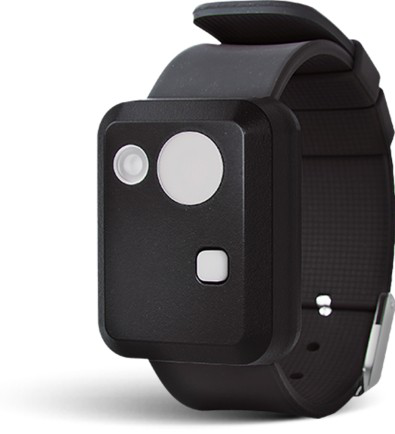
Modern actigraphy devices often integrate sensors beyond accelerometry, such as light sensors and temperature monitors. These inputs significantly enhance detection capabilities.
For example, a drop in skin temperature combined with sustained inactivity may indicate device removal. Similarly, stable ambient light levels during expected behavioral transitions can signal non-wear. These contextual cues allow algorithms to distinguish between physiological states and external conditions.
Multi-sensor fusion strengthens detection accuracy and reduces ambiguity in borderline cases. This approach is particularly valuable in free-living environments where variability is high.
Machine Learning Approaches in Non-Wear Detection
Machine learning has introduced more adaptive and scalable solutions. Supervised models trained on labeled datasets can identify complex, non-linear patterns associated with wear and non-wear periods.
Techniques such as decision trees and ensemble methods are commonly used due to their interpretability and performance. These models can account for inter-individual variability and adapt to different study populations.
However, model development requires careful validation. Risks such as overfitting and limited generalizability must be addressed through cross-validation and external benchmarking. Transparent reporting of model performance is essential for scientific rigor.
Integration with Sleep Diary and Participant Inputs
Algorithmic detection is most effective when combined with participant-reported data. Sleep diary inputs provide context that can validate or refine automated classifications.
For instance, reported device removal times can be used to calibrate detection thresholds or correct misclassifications. Hybrid approaches that integrate objective and subjective data offer a more comprehensive understanding of wear patterns.
Digital sleep diaries further improve data quality by enabling real-time input and reducing recall bias. This integration enhances both accuracy and participant engagement.
Data Cleaning and Preprocessing Strategies
Non-wear detection is a critical step in the preprocessing pipeline. Once identified, non-wear intervals must be handled systematically.
Common approaches include excluding these periods, imputing missing data, or applying statistical adjustments. The chosen method should align with study design and analytical objectives.
Clear documentation of preprocessing decisions is essential. Defining thresholds and algorithm parameters in advance helps prevent bias and supports reproducibility across studies.
Validation and Benchmarking of Algorithms
Robust validation is necessary to ensure detection accuracy. Benchmarking against ground truth data, such as direct observation or concurrent monitoring, provides a reliable reference.
Key performance metrics include sensitivity, specificity, and overall classification accuracy. Comparing multiple algorithms can help identify the most effective approach for specific research contexts.
Standardization across studies is also important. Consistent validation frameworks improve comparability and support methodological advancement within the field.
Ethical and Privacy Considerations
Although focused on data quality, non-wear detection intersects with privacy concerns. Algorithms analyze detailed behavioral patterns, which must be handled responsibly.
Data minimization, secure processing, and transparency are critical. Participants should be informed about how their data is analyzed, including the use of automated detection methods.
Ethical oversight ensures compliance with data protection standards and reinforces trust between researchers and participants.
Future Directions in Smart Actigraphy Analytics
Actigraphy is evolving toward more intelligent and responsive systems. Future non-wear detection methods may incorporate real-time analytics, enabling immediate feedback and improved compliance.
Integration with cloud platforms and wearable ecosystems will expand analytical capabilities. Advanced models may also incorporate contextual data such as environmental or physiological signals.
As these innovations develop, maintaining a balance between analytical sophistication and privacy will remain essential.
Conclusion
Non-wear detection algorithms are critical for preserving the integrity of actigraphy datasets. By combining multi-sensor inputs, machine learning techniques, and participant-reported data, researchers can accurately identify and manage non-wear intervals. With strong validation, transparent preprocessing, and ethical data practices, continuous monitoring studies can produce reliable and actionable insights.

Improve Data Accuracy with Advanced Actigraphy Solutions from Condor Instruments
Optimize your research with precision-driven Actigraph devices that combine advanced actigraphy analytics, integrated light sensor technology, and seamless sleep diary integration to accurately detect non-wear time and enhance dataset reliability. Discover Condor Instruments solutions today to elevate your study performance. Call now.