


Sports performance encompasses the need to develop different cognitive and physical capacities, such as strength, power, speed, motor coordination, aerobic performance, and cognitive functions (perception, attention, memory, executive functions – inhibitory control, cognitive flexibility, decision-making, for example). In recent years there has been growing interest in the relationship between sleep and its role in physical and cognitive performance, as well as in the mood and general health of athletes. During sleep, fundamental processes for muscle recovery take place, such as the release of testosterone and growth hormone (GH) and a reduction in cortisol. Thus, it is during sleep that athletes carry out physical and mental recovery processes.
In 2019, the International Olympic Committee (IOC) declared that sleep is essential for sports performance, as well as for the mental and general health of athletes (REARDON; HAINLINE; ARON; BARON et al., 2019). This IOC statement on quality sleep involves sleep duration (which should be at least over 7 hours), circadian alignment, perceived positive sleep quality and the absence of sleep disorders. Not only that, they reinforce the need for specialized sleep education for athletes and coaching staff, as well as routines for screening and identifying possible sleep disorders for subsequent treatment.
Sleep restriction leads to a reduction in reaction time (HURDIEL; VAN DONGEN; ARON; MCCAULEY et al., 2014), increased subjective perception of effort (MYLES, 1985) and reduced synthesis of anabolic hormones (testosterone and growth hormone), as well as worsening mood (ANDRADE; BEVILACQUA; COIMBRA; PEREIRA et al., 2016). This scenario is undesirable for athletes. Leproult et al. demonstrated that one week of sleep restriction in young men was enough to reduce testosterone levels by 10-15% (LEPROULT; VAN CAUTER, 2011). Milewski and colleagues showed that athletes who sleep less than 8 hours a night have a 1.7 times greater risk of injury than athletes who sleep more than 8 hours a night (MILEWSKI; SKAGGS; BISHOP; PACE et al., 2014). Corroborating these results, Silva et al. showed that athletes with sleep restriction and poor sleep quality are more likely to be injured and, furthermore, when an injury does occur, it is likely to be more serious, leading to a longer period of absence and more damage to the team (SILVA; NARCISO; SOALHEIRO; VIEGAS et al., 2020).
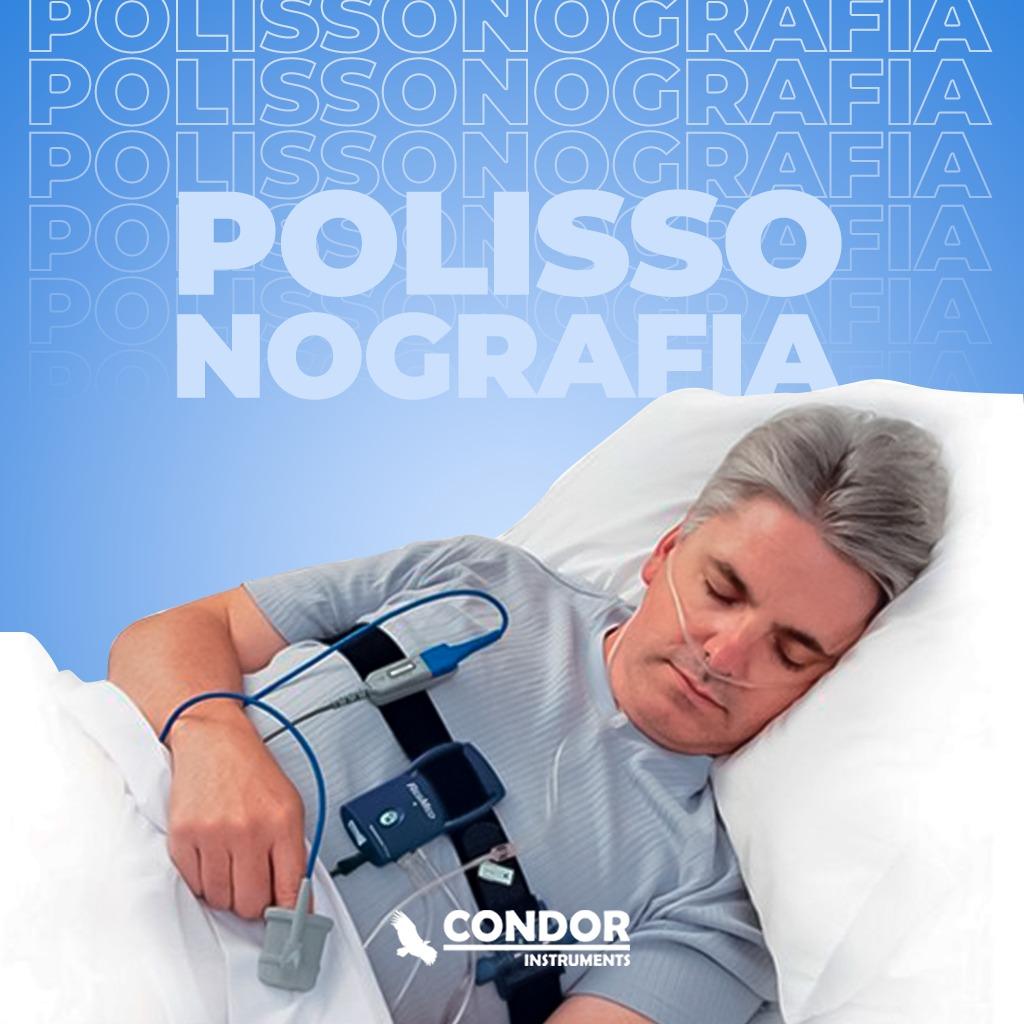
However, despite this growth in research and knowledge, when compared to non-athletes, athletes suffer from poor quality and insufficient quantity of sleep. In addition, certain sports and types of athletes are more prone to sleep disorders. For example, American soccer players tend to be more likely to suffer from obstructive sleep apnea due to their larger neck circumference (EMSELLEM; MURTAGH, 2005). Silva et al. evaluated 146 Olympic athletes using polysomnography and their data showed that male athletes had a higher apnea-hypopnea index than female athletes (SILVA; NARCISO; ROSA; RODRIGUES et al., 2019).

Lastella et al. evaluated 124 athletes from team and individual sports and found that the athletes had insufficient sleep (6.8 hours per night) (LASTELLA; ROACH; HALSON; SARGENT, 2015). Not only that, but they compared the difference between team and individual sports athletes, and found that individual sports athletes had less total sleep time than team sports athletes, and this may be due to the different training demands between sports. These findings are in line with the results found by Sargent et al. who evaluated 70 national-level athletes using actigraphy and found that, on average, the athletes slept 6.5 hours a night (SARGENT; LASTELLA; HALSON; ROACH, 2014). In addition, Mah et al. evaluated collegiate athletes through questionnaires, and identified that the athletes’ 42.4% sleep was classified as poor through the Pittsburgh Sleep Quality Index (MAH; KEZIRIAN; MARCELLO; DEMENT, 2018). These results show that it is important for the coaching staff of sports teams to adopt a culture of promoting quality sleep among athletes.
Napping
Taking naps is a valid strategy for relieving sleep debt and improving sports performance. Due to circadian factors, the best time to nap is in the afternoon, while there are 2 definitions of the ideal nap duration: 20 or 90 minutes. The reason for this is that napping for 20 minutes reduces the likelihood of waking up during slow-wave sleep, which would increase sleep inertia (PETIT; MOUGIN; BOURDIN; UNCLE et al., 2014). On the other hand, 90-minute naps are also positive because they allow the entire sleep cycle (REM and NREM) to be completed, which also reduces sleep inertia (DAVIES; GRAHAM; CHOW, 2010). Waterhouse et al. found better performance in the 2m and 20m sprints after a 30-minute nap when compared to the condition without a nap (WATERHOUSE; ATKINSON; EDWARDS; REILLY, 2007). The results of O’Donnell et al. show that jumping performance with countermovement and the perception of performance in competition, observed by the coach, improved after a nap of up to 20 minutes, when compared to the condition without a nap (O’DONNELL; BEAVEN; DRILLER, 2018).
Causes of sleep restriction and poor sleep quality among athletes
A number of factors lead to poor quality sleep among athletes, including pressure to perform well in competitions, constant travel, sleeping in unfamiliar rooms and with roommates, competing too late at night or too early in the morning, jet lagas well as pain and fatigue from training and competitions.
Competitions
Lastella et al. evaluated 103 athletes before a competition and their results indicate that 70% of the athletes evaluated had impaired sleep quality, with the most common causes of poor sleep quality being anxiety, noise, the need to use the bathroom and starting races too early in the morning (LASTELLA; LOVELL; SARGENT, 2014). In addition, some sports competitions take place at night or very early in the morning. This drags out the athletes’ sleep phase, which affects sleep quality, as well as restricting pre- and post-competition sleep. Not only that, but the psychological effects of competition (fans and pressure to perform well) also influence sleep quality and, specifically in the case of night-time competitions, the bright lighting in stadiums contributes to the post-competition sleep phase being dragged out.
Travel and jet lag
Elite athletes frequently travel to compete and are exposed to travel fatigue and jet lag. O jet lag occurs when there is an abrupt change in time zones, such as when traveling across borders by plane. As a result, there is no time for the body to adapt, leading to circadian desynchronization. Symptoms of this phenomenon include excessive daytime sleepiness, gastrointestinal disorders, concentration and attention problems, insomnia and impaired sleep quality (LEE; GALVEZ, 2012). In addition, poor quality sleep adds to the damage. The literature shows that it takes approximately one day to adapt to each time zone crossed (REILLY; WATERHOUSE; EDWARDS, 2005). Thus, athletes leaving Brazil to compete in Japan need an average of 12 days to adapt to their new destination.
Travel fatigue has similar symptoms, but is different from Jet Lag, occurs due to long hours of travel, dehydration, uncomfortable seats and poor nutrition during the journey. Fatigue usually dissipates after a shower, adequate nutrition and a good night’s sleep (SAMUELS, 2012). Therefore, travel fatigue occurs after long journeys, whether by air or land transport, in the North-South direction, and vice versa) while the Jet Lag occurs after abrupt time zone changes (i.e. traveling east-west and vice versa).
In addition, the jet lag has a direct impact on the sports performance of athletes. Several biological functions show circadian variation (to find out more, read https://condor.fabbricaweb.com.br/o-que-ritmo-circadiano/) and among them is physical performance. It has already been shown that strength, flexibility, subjective perception of effort and cognitive performance show circadian oscillations (DRUST; WATERHOUSE; ATKINSON; EDWARDS et al., 2005). Not only is sleep impaired during the jet lag can lead to problems with hormones that are important for sports performance, such as testosterone and growth hormone. For these reasons, it is important that the coaching staff and athletes adopt specific strategies to speed up the process of resynchronization to the new destination, thus avoiding a reduction in sports performance at the time of competition.
Ways of assessing sleep in athletes
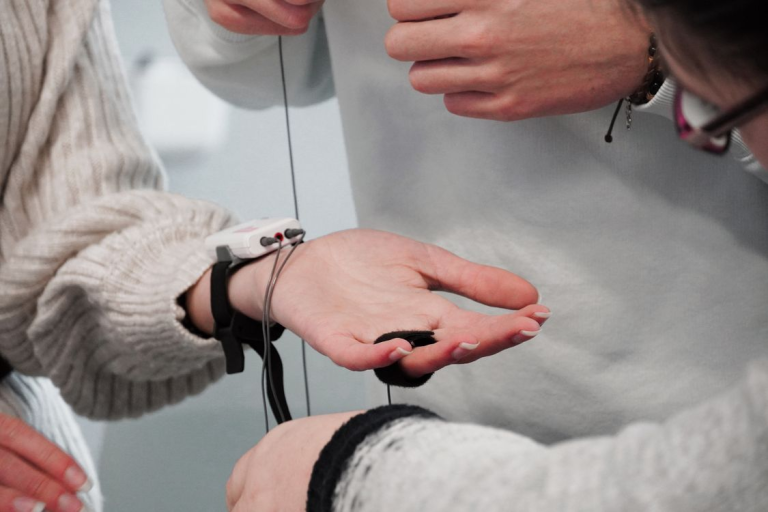
The sleep of athletes can be assessed using subjective measures such as questionnaires and sleep diaries, and objective measures such as actigraphy and polysomnography.
Sleep diaries are a useful and functional tool for assessing sleep quality in a practical and low-cost way. To find out more, read https://condor.fabbricaweb.com.br/o-que-e-diario-do-sono/.
Questionnaires are also extremely valid tools for assessing athletes, mainly because they allow a large number of people to be assessed in a short space of time, which is especially useful for large teams. One widely used questionnaire is the Pittsburgh Sleep Quality Index, which is designed to assess sleep over the last 30 days in a self-reported way. At the end, it classifies the respondent’s sleep as good, bad or bad with the possible presence of a sleep disorder, as well as classifying the respondent’s sleep efficiency as adequate or inadequate. In addition, a questionnaire developed specifically for athletes, the Athlete Sleep Behavior Questionnaire (ASBQ – Athlete Sleep Behavior Questionnaire) is extremely useful when applied in conjunction with the Pittsburgh questionnaire. The ASBQ assesses and classifies the athlete’s sleep behavior through the frequency of occurrence of everyday situations, such as ingesting stimulants before night workouts, sleeping in different rooms and using electronic devices before bed. It then classifies sleep behavior as good, intermediate or poor, and with these results in hand it is possible to devise effective strategies to improve the athlete’s behavior and, consequently, the quality of their sleep.
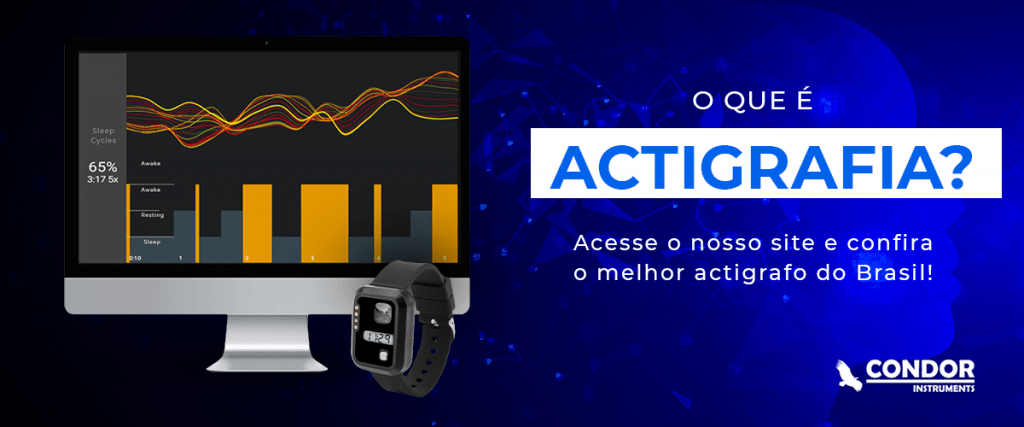
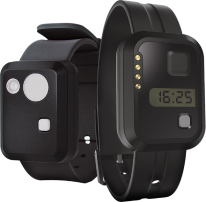
Actigraphy is a technique designed to assess sleep and biological rhythms using an actigraph. The actigraph is a device similar to a wristwatch and contains a light sensor and a movement sensor, and through these sensors it is possible to extract information about sleep, such as total sleep time, sleep onset latency, sleep efficiency, awakenings after sleep onset and time awake, as well as sleep onset and end times. In addition, the actigraph, a graph generated by reading the data from the actigraph, makes it possible to identify the start and end times of sleep more clearly, thus enabling strategies to be drawn up about the movement and regularity of the athlete’s sleep-wake cycle. In addition, Condor software offers the possibility of analyzing specific variables relating to biological rhythm, such as the periodogram, consinor and spectrogram.
Conclusion
Sleep plays a key role in the physical and cognitive recovery of athletes, and restricting it or not getting satisfactory quality sleep leads to worse reaction time, mood, cognitive performance and a greater likelihood of injury. However, athletes often suffer from poor quality and insufficient quantity of sleep, and the causes of this unwanted sleep are diverse. It is therefore important for the coaching staff to adopt preventive strategies regarding athletes’ sleep, with the aim of educating, raising awareness and assessing them, so that aspects can be identified that can be improved both in their routine and in their health.