

Understanding sleep has come a long way with advancements in movement tracking technology. Actigraphy, a method that uses wearable devices to monitor movement, has transformed sleep research by providing continuous, real-world data. Unlike traditional methods like polysomnography (PSG), which require an overnight stay in a sleep lab, actigraphy allows researchers and medical professionals to collect sleep data over extended periods in natural settings.
How Movement Tracking Works in Sleep Research
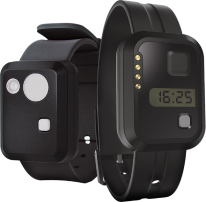
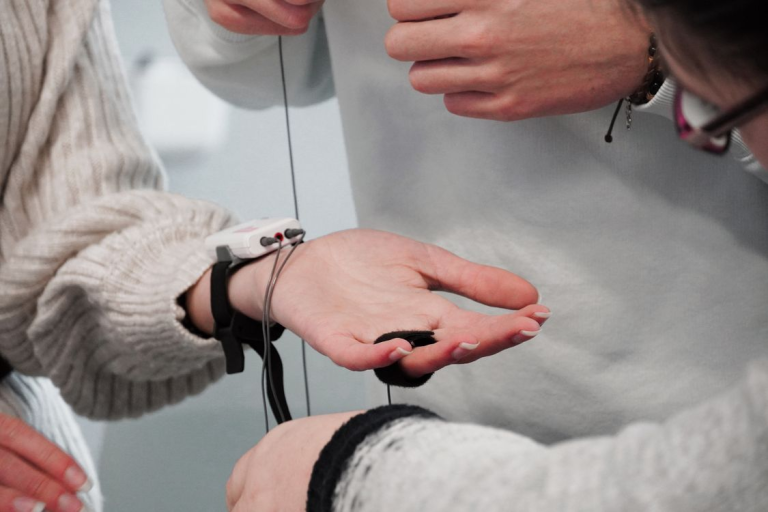
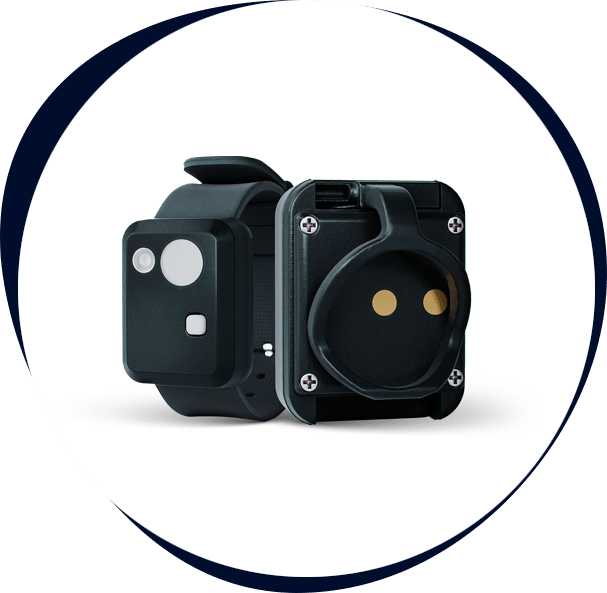
Actigraphy relies on small, wrist-worn devices known as actigraphs to monitor movement and determine sleep-wake cycles. These devices contain accelerometers that detect motion, allowing researchers to analyze sleep patterns based on activity levels. When movement decreases, the device records sleep onset, and when activity increases, it signals wakefulness.
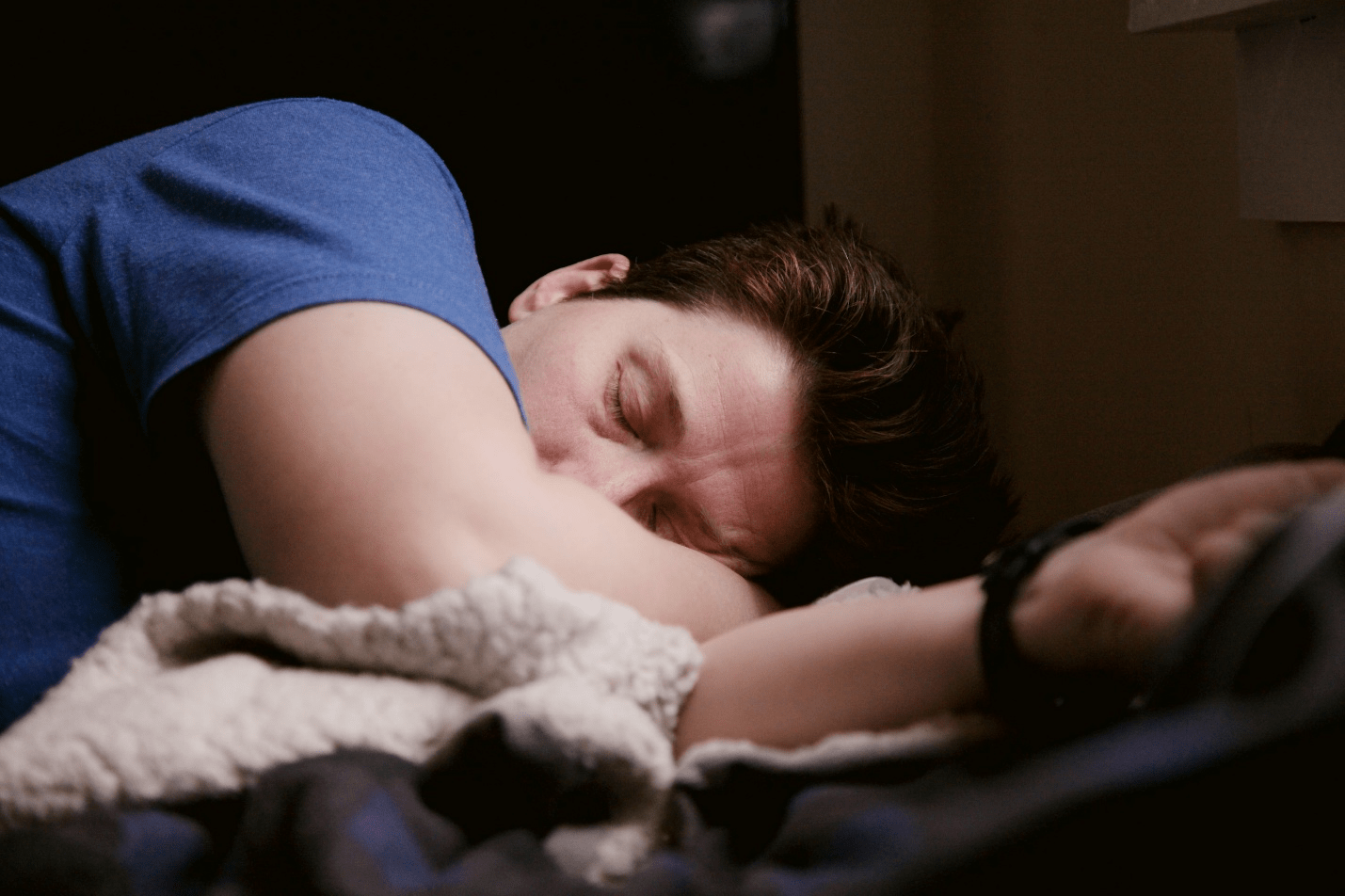
One of the major benefits of actigraphy is its ability to track sleep across multiple nights without disrupting the wearer’s routine. This provides more accurate insights into real sleep behavior compared to a single-night study in a sleep clinic. Since sleep patterns can vary based on stress, lifestyle, and environmental conditions, long-term tracking gives a more complete picture of sleep health.
Comparing Actigraphy to Polysomnography
Polysomnography remains the gold standard in sleep research because it records brain activity, muscle movement, heart rate, and breathing patterns. However, it requires multiple sensors, making it intrusive and difficult to use outside of a clinical setting.
Actigraphy, while not as detailed as PSG, is a highly effective alternative for tracking sleep over time. It is particularly useful for studying conditions like insomnia, circadian rhythm disorders, and sleep disturbances caused by shift work. Unlike PSG, which captures one or two nights of sleep, actigraphy provides ongoing data, making it easier to detect patterns and inconsistencies.
The Role of Movement Tracking in Sleep Disorder Research
Actigraphy is widely used in sleep disorder research, especially for diagnosing and monitoring conditions like insomnia, sleep apnea, and restless leg syndrome. By analyzing movement data, researchers can determine how often a person wakes during the night, how long it takes them to fall asleep, and how consistent their sleep schedule is.
In addition to sleep disorders, actigraphy helps researchers study the effects of external factors on sleep. Light exposure, noise, and temperature all influence sleep quality, and actigraphy devices with built-in sensors can track these variables alongside movement. This data helps researchers understand how environmental factors contribute to poor sleep and how adjustments can improve sleep health.
Why Movement Tracking is Changing Sleep Research
The ability to monitor sleep in real-world conditions has made actigraphy an essential tool in sleep research. It provides valuable data for both clinical and non-clinical studies, helping researchers and medical professionals assess sleep patterns, diagnose disorders, and track treatment progress. As technology advances, actigraphy devices continue to improve, offering even more precise and comprehensive data.
For those looking for reliable, research-grade actigraphy devices, Condor Instruments provides high-quality actigraphs designed for accurate sleep monitoring in scientific and medical settings.
Contact us today to learn more.