

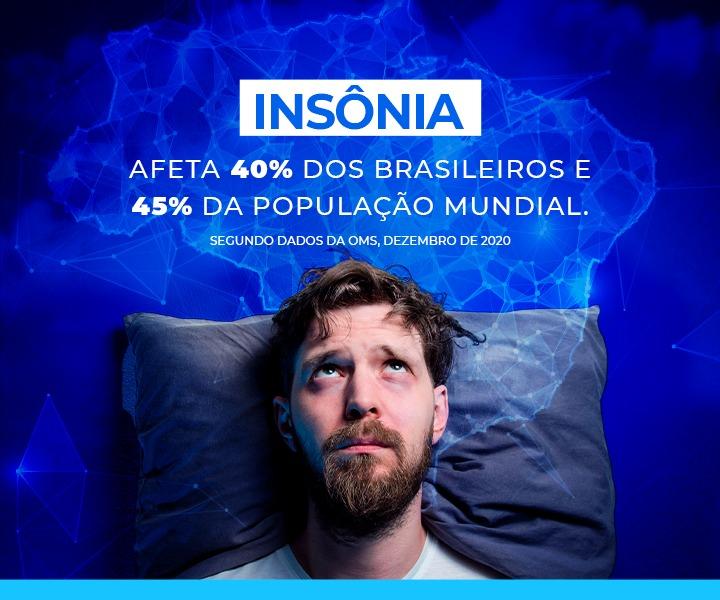
A large part of the world’s population complains of sleeping problems and difficulties. Epidemiological surveys from more than a decade ago show that there is a prevalence of insomnia in around 10% of the world’s general population [1]. However, this percentage varies from place to place, and in some studies this percentage has reached 40%.
A few years ago, researchers linked to the Brazilian Sleep Association stated in a high-profile news report that around 73 million Brazilians suffer from insomnia on a daily basis.
But what is insomnia anyway?
Generally, everyone has some preconceived definition of what sleep problems are. Which is not wrong!
According to the International Classification of Sleep Disorders (ICDS [2]), insomnia is defined as difficulty in initiating or maintaining sleep, or even the perception of non-restorative sleep, combined with adverse consequences during the day, such as excessive fatigue, a drop in performance or a change in mood. As a result, it is common to report increased fatigue and sleepiness, which can be associated with other symptoms such as irritability, anxiety, lack of attention and memory.
There are some specific criteria for the precise diagnosis of insomnia: 1) difficulty falling asleep and staying asleep, or a poor quality of sleep 2) frequency of insomnia, which is related to how many days a week the individual has trouble sleeping 3) concern about the lack of sleep, and how it might affect the performance of their daily routine 4) the sleep routine directly affects the individual’s social and occupational functioning.
Therefore, in order to identify insomnia carefully, it is always necessary to seek out a health professional who can assess your problem.
In addition to the diagnosis, there are several factors that cause insomnia, which are related to different types of insomnia, which have different severity and prevalence in the population.

According to the International Classification of Sleep Disorders (ICDS [2]), insomnia can be broadly classified into two main groups: acute and chronic. However, beyond this initial division, it is possible to further differentiate the causes and consequences in such a way as to generate several distinct groups – which we will discuss below.
- Adaptive insomnia: also known as acute insomnia or short-term insomnia. It is usually caused by mental stress and tends to last only a few days or weeks. Epidemiological studies indicate that the prevalence of this category of insomnia in adults is probably in the range of 15-20%. This problem can occur at any age. Adjustment insomnia is more common in women than men, as well as in older adults than younger adults and children
- Childhood behavioral insomnia: occurs when a child associates falling asleep with an action (being hugged), an object (a bottle) or a sleeping place (a parent’s bed), so that they are unable to fall asleep if separated from this association. Around 10-30% of children are affected by this insomnia condition.
- Idiopathic insomnia: insomnia that begins in childhood and lasts a lifetime and cannot be explained by other causes. Information suggests that this condition is present in approximately 0.7% of adolescents and 1.0% of very young adults.
- Inadequate sleep hygiene: this form of insomnia is caused by bad sleeping habits that keep you awake or disrupt your sleep schedule. Studies report that this condition is present in around 1 to 2% of adolescents and young adults.
- Insomnia due to a drug or substance, medical condition or mental disorder: insomnia symptoms usually result from one of these causes. Insomnia is more often associated with a psychiatric disorder, such as depression, than with any other medical condition. Research suggests that around 3% of the population has insomnia symptoms caused by a medical or psychiatric condition. Among teenagers and young adults, the prevalence of this form of insomnia is slightly lower. 2% of the general population is affected by this type of insomnia. Approximately 3.5% of all sleep center patients are affected by this condition.
- Paradoxical insomnia: a complaint of severe insomnia occurs even if there is no objective evidence of a sleep disorder assessed in specialized clinics. The prevalence in the general population is not known. Among clinical populations, this condition is usually found in less than 5% of patients with insomnia. It is believed to be more common in young and middle-aged adults.
- Psychophysiological insomnia: a complaint of insomnia occurs with an excessive amount of anxiety and worry about sleep and insomnia. This condition is found in 1-2% of the general population and 12-15% of all patients seen in sleep centers. It is more common in women than in men. It rarely occurs in children, but is more common in adolescents and all adult age groups.
A specific analysis protocol is used to identify each category of insomnia. In an article carried out by researchers from the American Association of Sleep Medicine (AASM) [3], a survey was carried out of the categorization of each of the types of insomnia and described which criteria are used to identify insomnia and which spectrum the patient falls into.
In a recent article, the authors proposed updating the criteria for identifying insomnia. The aspects that should be observed are:
- Main complaint: the individual complains of lack of sleep
- Sleep/wake rhythm routine: identifying the daily pattern of sleeping and waking times, as well as identifying bedtime latency and daytime naps.
- Bedtime routine: environments without noise/light pollution are not the cause of sleep problems
- Nocturnal behavior: incidence of other problems such as snoring and nocturnal movement may be the cause or a complementary diagnosis of the problem.
- Daytime dysfunction: decreased quality of life, memory problems, tiredness and mood swings are directly associated with insomnia.
- Medical history: various comorbidities can contribute to insomnia problems, such as lung problems, heart problems, diabetes, etc.
- Medication: the use of medication directly affects sleep. The use of psychiatric drugs, as well as some drugs for chronic lung and heart diseases, can affect your sleep routine.
- Social background: working hours and daily tasks also affect sleep. Cross-commuting, night work, as well as the consumption of nicotine, coffee and alcohol can directly affect the worsening of insomnia problems.
One aspect that needs to be kept in mind is that many people sleep too little, and it doesn’t have any negative consequences for their tasks or their quality of life. However, they worry that they are getting so little sleep each night. If you’re one of them, don’t worry, you might just be a short sleeper! A portion of the population doesn’t need to sleep many hours a night to have a completely restorative sleep!
In addition to the information that provides a diagnosis of insomnia, there are tools that are used to complement or even identify sleep problems more objectively. The use of sleep diaries – which consist of a documentation of the daily routine of the individual’s sleeping and waking times – is very common in this type of analysis.
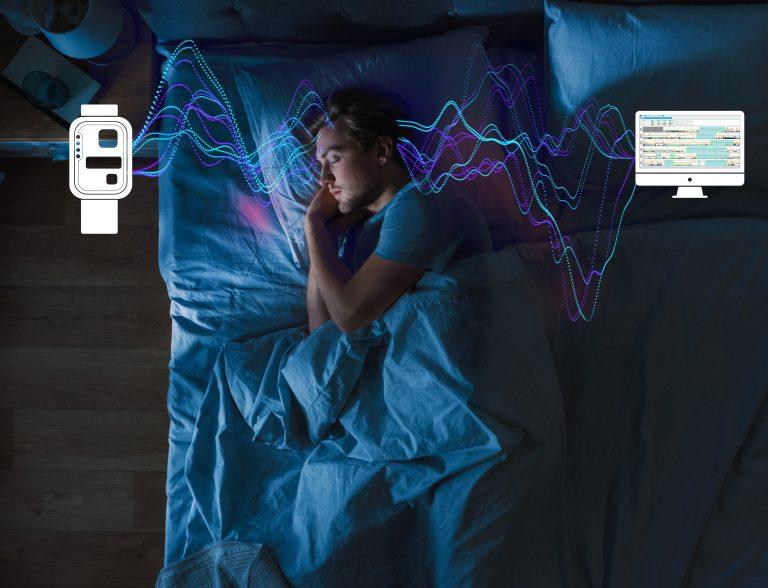
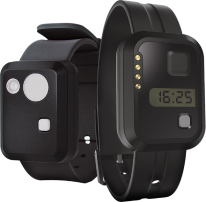
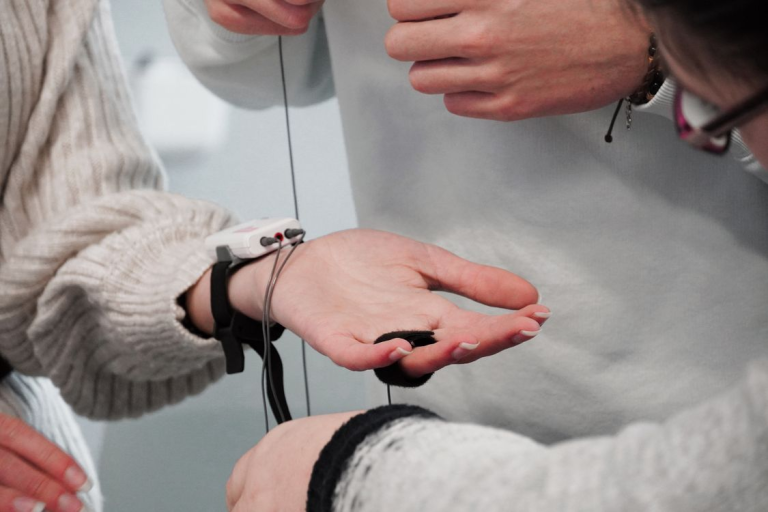
In a more robust investigation, it is possible to follow up with actimeters, which can be used to more accurately assess sleep and wake times over a long period of time with the individual in their usual routine, as well as sleep latency and episodes of movement and nocturnal awakenings. If necessary, it is also possible to carry out polysomnography, an even more specific test in a laboratory environment. These methods of analysis have already been covered in other texts.
For the treatment of insomnia, the best treatment will be the one recommended by a health professional, preferably a sleep doctor. Generally speaking, treatment can basically be separated into two main groups: drug treatment and cognitive behavioral therapy for insomnia. Often the approaches are carried out together, so that one supports the other. It’s worth remembering that treatments for insomnia are serious and should be followed rigorously for as long as necessary.
Insomnia is a very common disorder that has negative consequences for people, directly affecting their quality of life and their daily performance of tasks. It is therefore necessary to maintain healthy lifestyle habits and keep a dark and quiet environment to facilitate better quality sleep!
https://condor.fabbricaweb.com.br/contato/