

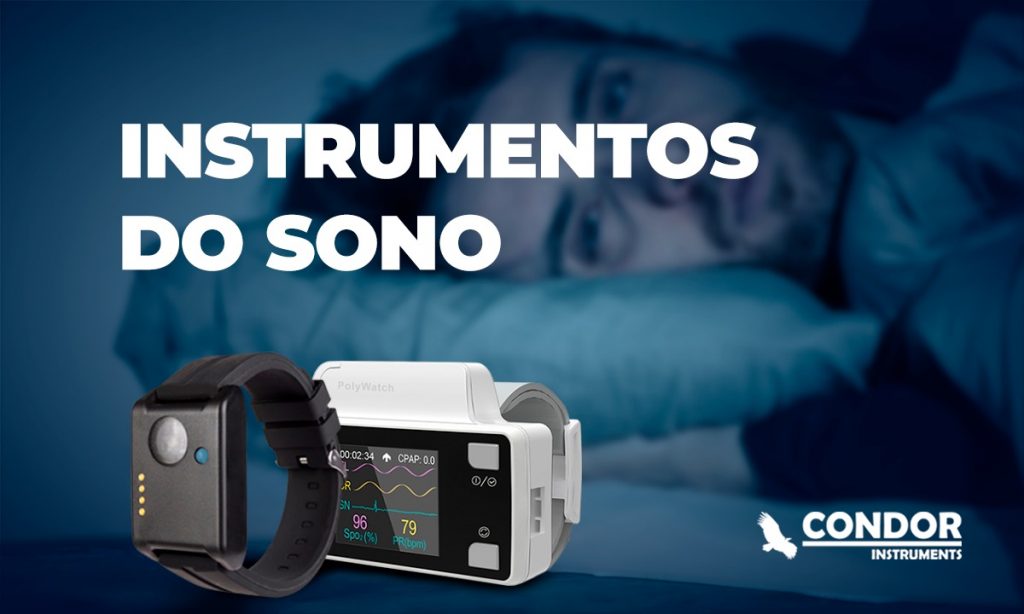
It’s not that long ago that sleep problems were treated as a problem affecting a large part of the population. That’s why the tools of sleep medicine exist to support professionals in the field.
In 2003, a study claimed that around 70 million US citizens suffer from some form of chronic sleep deprivation or restriction. This figure corresponds to almost a quarter of the country’s population, meaning that every fourth person suffers from some kind of sleep problem.
(National Heart, Lung, and Blood Institute). 2003. National Sleep Disorders Research Plan, 2003. Bethesda, MD: National Institutes of Health.
And the big issue is that the consequences can be very serious, both in terms of health and social interaction, and in general, problems with performance in daily tasks, from studying to work activities. In an economic context, it is estimated that in the United States alone it generates an economic impact of more than 400 billion dollars annually.
https://pubmed.ncbi.nlm.nih.gov/28983434/
These economic problems are related to various causes that have a direct impact on sleep, from traffic accidents in which drivers fall asleep at the wheel to a higher prevalence of accidents at work in individuals who are more sleepy. Even health professionals are not left out of this statistic: night shift workers make three times as many medical errors as regular shift workers.
So it’s clear that maintaining good sleeping habits is important. But how do you do it these days?
Due to the massive COVID-19 pandemic, many people have started to report more sleep problems. In a worldwide survey carried out for World Sleep Day 2021, it was observed that around half of the population is dissatisfied with their sleep routine, and that on average people sleep around 6.9 hours a night on weekdays, which is less than the WHO recommends as ideal for a good night’s sleep.
https://www.usa.philips.com/c-e/smartsleep/campaign/world-sleep-day
But what happens when you sleep too little?
Sleep stages are usually grouped into cycles, which are repeated throughout the individual’s sleep phase, changing their pattern over time. In healthy individuals, these cycles are repeated four to six times during a night’s sleep.
Polysomnography
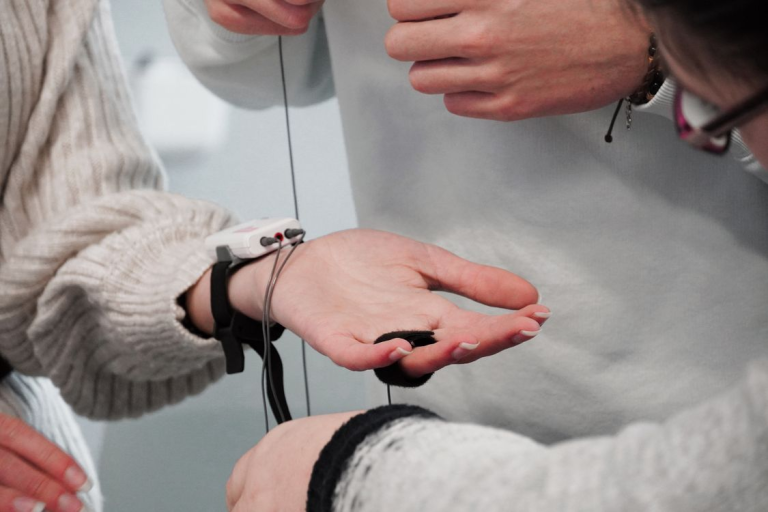
The method considered the gold standard for detecting sleep problems is polysomnography (PSG). PSG analysis can be used to identify structural sleep parameters, which are based on brain wave patterns from the electroencephalogram, muscle activity and the oculogram (Douglas et al. 1992).
From this data, it is possible to characterize each stage of sleep, which are divided into five distinct events:
- In stage 1, there is a presence of low frequency and amplitude brain waves (theta waves), decreased muscle activity, breathing, heart rate and low eye movement.
- Stage 2 is characterized by the presence of K-complex, sleep spindles and absence of eye movements, with the heartbeat and breathing decreasing even more, with greater muscle relaxation.
- In stages 3 and 4, there is a presence of high-amplitude, low-frequency waves (delta waves). Known as deep sleep, this is the stage that generates the sensation of restorative sleep, lasting longer in the first half of the sleep phase.
In REM sleep, also known as paradoxical sleep, there is a marked reduction or absence of muscle tone, rapid eye movements and sawtooth waves, similar to those of wakefulness. It is in REM sleep that most dreams occur, and this stage is very important for consolidating memory and learning and other cognitive processes.
Reduced sleep duration can lead to cognitive deficits that are associated with a loss of stability in sleep structure. Recent studies have shown that cognitive deficits involving aspects of memory, learning and attention may be associated with a change in sleep patterns analyzed by PSG (Alhola and Polo-kantola 2007; Fullagar et al. 2015; Neu and Linkowski 2010; Thomas et al. 2000b).

In addition, polysomnography data can be used to assess whether individuals have a satisfactory total sleep duration, since it is possible to detect the stages and identify whether there are any abrupt breaks between them (Michaelson et al. 2006; Su et al. 2004).
The major problem with polysomnography studies is the inability to monitor them longitudinally in people’s natural routines. These tests are usually carried out in a laboratory environment with various instruments connected, which can not only make it difficult for the individual to sleep, but also make it impossible to follow up over several consecutive days. In addition, because it is a very specific test, it is not widely available and its cost can be unaffordable for a large part of the population.
To solve this problem, portable devices can be used to carry out a polysomnographic examination in a more simplified way in the home environment. Recent studies have shown that portable EEG equipment, such as the DREEM, is capable of generating hypnograms in an automated way, in which it is possible to detect the stages of sleep, with an accuracy that can reach more than 90% when compared to analyses carried out by specialists (Arnal et al. date unknown; Kanbi 2020).
The much lower cost compared to conventional equipment, the ease of use, and the possibility of having the raw signals are positive points that generate the possibility of using this equipment in longitudinal collections with monitoring outside the laboratory environment.
But although it is a device that has an option for the end user, it is still something that must be worn on the head during the sleep phase, which can be a nuisance for many users if it has to be worn for a long period of time, and it only analyzes the sleep phase. Although sleep occurs at night, this phase is totally linked to the waking phase, and studying the entire sleep/wake cycle provides more information on how the temporal organization of the rhythmicity of the subject’s sleep/wake cycle is related to environmental stimuli.
In order to assess sleep and circadian rhythmicity, subjective methods such as sleep and activity diaries are commonly used. However, these tools have the problem of depending on the declared response of the patient/subject, which can compromise the results. A more objective tool for monitoring daily activity is the use of actimeters.
Actigraphy
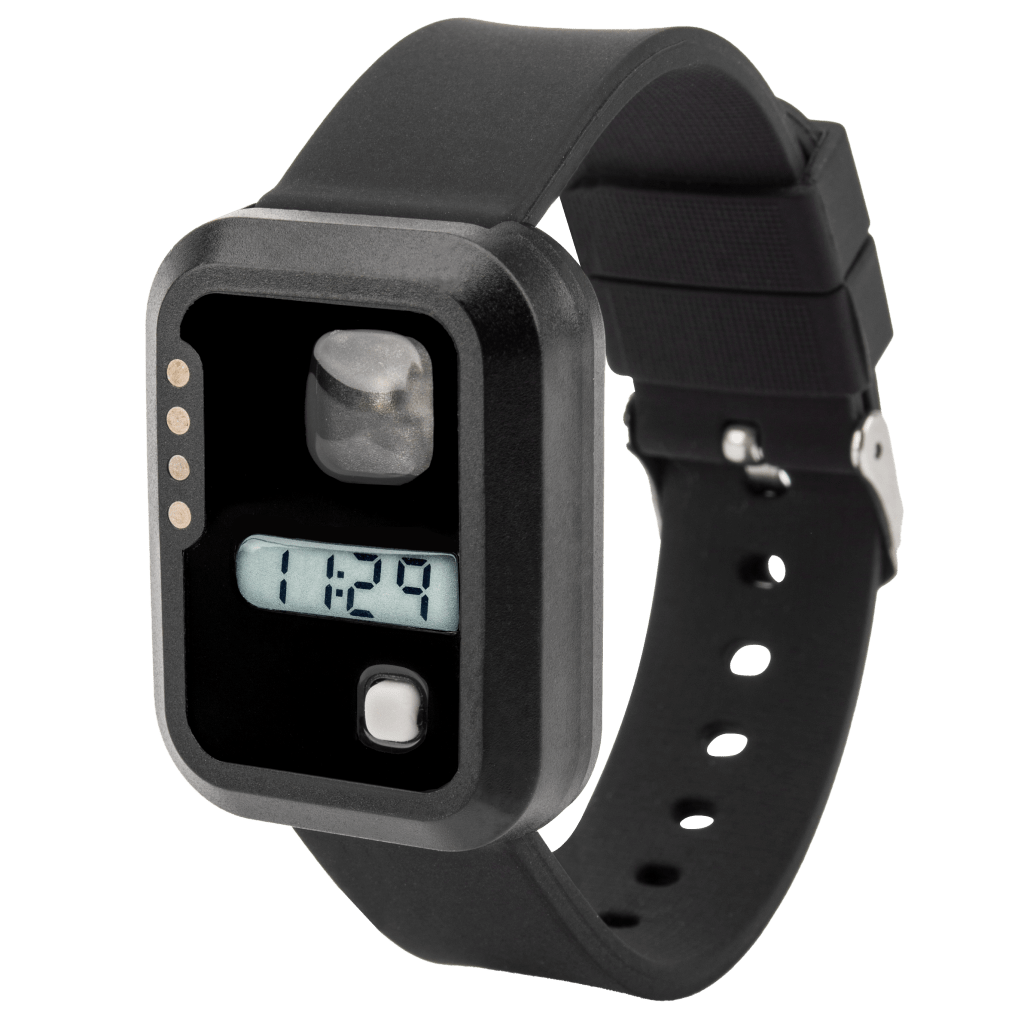
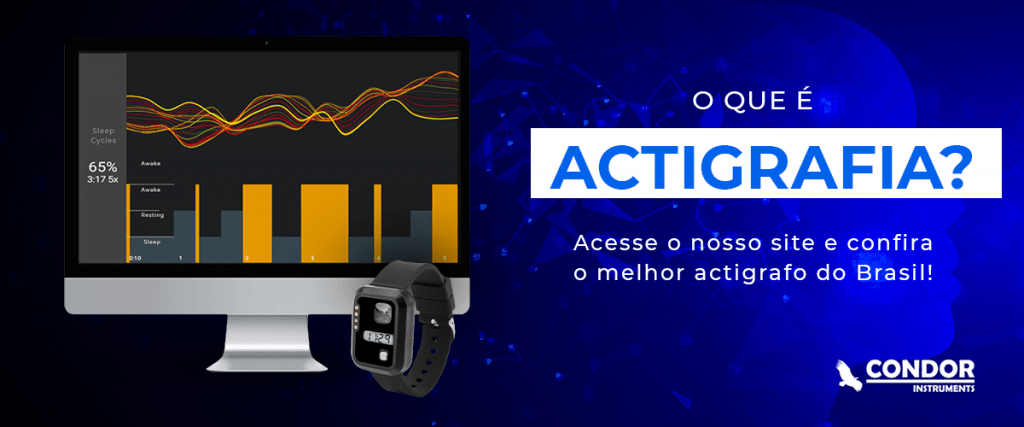
Actimetry or actigraphy is a non-invasive method for analyzing the sleep-wake rhythm over long periods, from days to months. It is based on the continuous monitoring of the user’s movements in order to identify phases of activity and rest. The great advantage of actimetry is that it provides information on an individual’s habits in their natural environment over a long period of time (Martin and Hakim 2011).
When it comes to activity monitors, there are a number of devices that perform these procedures for end users. If you search the Play Store or the App Store on an Android or iOS smartphone, you can find a number of free and paid apps that can record and analyze both your sleep and your activity levels during the day. However, relying on a cell phone that is on 24 hours a day for every second can be a complicated task. Whether it’s due to the autonomy of the device, or even the difficulty of carrying it around all the time.
Another problem that should be considered is that, although most devices have accelerometers, which are the devices used to record movements, there is no standardization of models, thus compromising the reproducibility of results when different devices are used.
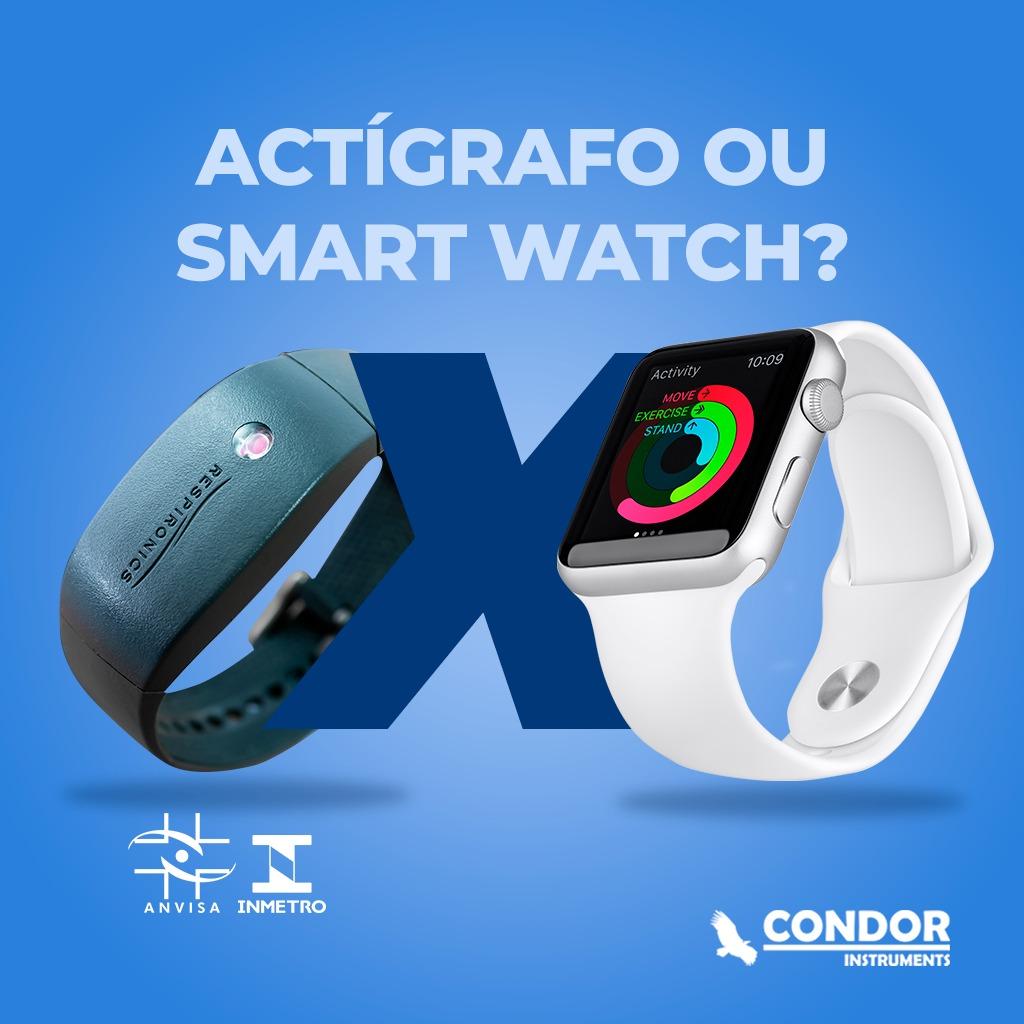
But even so, the use of apps that monitor activity and sleep has become popular, with a tendency to grow even more with the ease of access to smartwatches. Smartwatches, which are produced by major smartphone companies such as Apple and Samsung, as well as physical activity monitoring companies such as Garmin and Polar, have developed a series of products that combine activity monitoring with satellite location data, as well as heart rate and other physiological variables that can be used within a monitoring system. In this way, smartwatches seem to be an interesting solution for monitoring sleep and the expression of the sleep/wake cycle in individuals.
Indeed, smartwatches can be a good solution for end users who want to keep track of their daily activity routine and sleep duration without too much commitment. However, the problem of system and hardware variability can still affect reproducibility, and end-user products are generally related to analyses in which it is not possible to explore the results in order to analyze them more thoroughly. In this way, the use of actimeters for research and clinical monitoring is essential when it comes to the treatment and initial identification of sleep and rhythm disorders.
And when we talk about more precise devices, from the analysis of actimetry it is possible to obtain parameters that characterize the expression of circadian rhythmicity in relation to the rhythm of activity and rest, such as rhythm phase indicators, as well as parameters that quantify levels of activity, rest, power and stability of the circadian rhythm and sleep quality. (Gonçalves et al. 2014; Martin and Hakim 2011). The much lower cost when compared to PSG equipment, the ease of use, and the possibility of having the raw signals are positive points that generate the possibility of using this equipment in longitudinal collections with follow-up outside the laboratory environment.
And when it comes to actimetry equipment, some points are very important when choosing equipment: equipment robustness, autonomy, precision, freedom in data analysis.
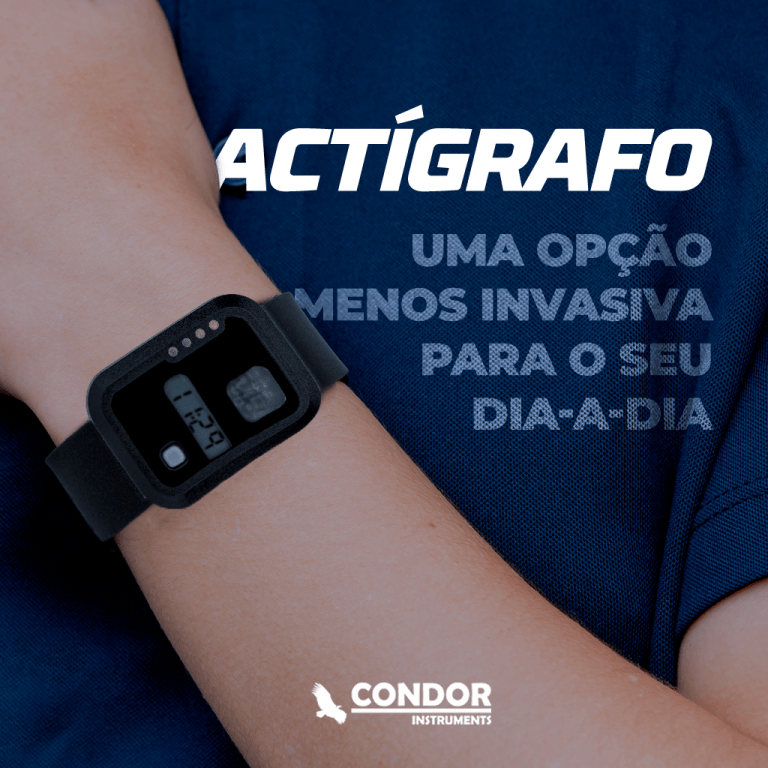
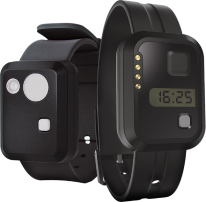
A device must be reliable and resistant to the elements of use, since they are generally worn on the wrist. It should also have an autonomy without the need to recharge for a long period of time because many sleep disorders are commonly identified after an analysis of the sleep/wake rhythm over several days. Some authors state that for a thorough analysis of circadian expression and sleep, at least 9 uninterrupted days of collection are required.
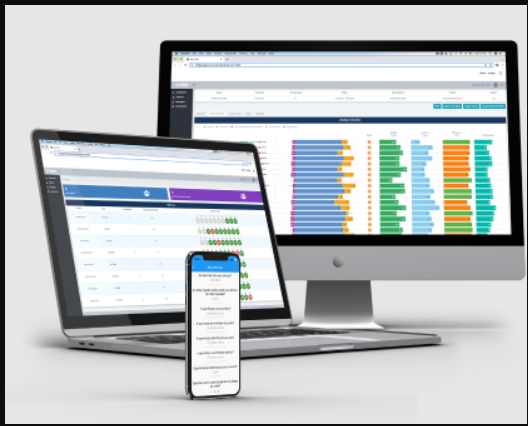
It is necessary to have equipment with high precision and reproducibility of the data collected, which is essential for any clinical diagnosis and research work. And finally, it must provide freedom to explore the raw data, since often a more in-depth analysis by a specialist, having the freedom to manipulate the data, select specific time windows for the analysis is what will be crucial for identifying sleep parameters in order to characterize the routine of the patients and individuals analyzed.
In addition, the more information that can be collected on the same device, the more interesting the analysis will be and the more results can be explored. When it comes to sleep and circadian rhythm, the interaction with environmental light is very important, but often overlooked even by researchers in the field. Another aspect is information about the body’s physiological conditions.
Many studies have been carried out and published relating the expression of the peripheral temperature rhythm to sleep and wakefulness parameters. A stable rhythm between the two cycles means better temporal organization of the individual’s body. This consequently means a better quality of sleep and life for the individual.
Based on this information, it is possible to understand and get to know a little about the tools and devices that are most commonly used for sleep assessment and the detection of disorders linked to sleep problems or circadian rhythm. Depending on your needs, cost-effectiveness and reliability of use, it’s up to you to evaluate and choose the ideal equipment for your professional use.