


Understanding the Role of Advanced Actigraphy in Sleep Research
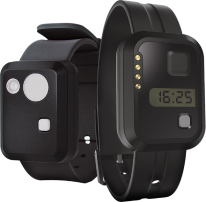
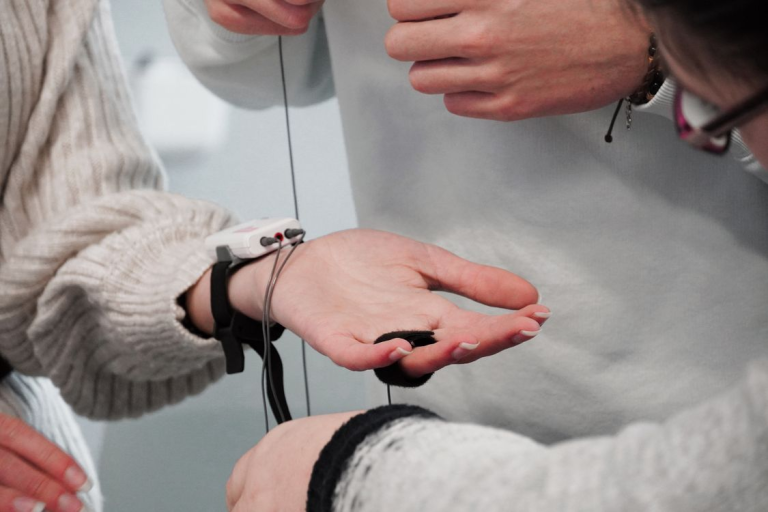
Actigraphy has become a cornerstone in the study of sleep, providing valuable insights into sleep-wake patterns. Researchers and clinicians rely on advanced actigraphy to monitor sleep disorders, as it offers a non-invasive and precise way to collect data. Modern actigraphy devices are equipped with advanced sensors, such as melanopic light sensors, that help detect light exposure and its effect on circadian rhythms. These devices are particularly useful in enhancing the accuracy of sleep studies and improving the overall patient care experience.
Innovations in Actigraphy Devices: Key Features for Better Data Collection
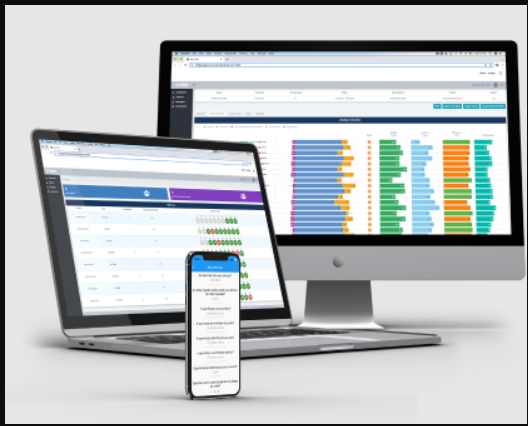
One of the major innovations in actigraphy technology is the integration of melanopic light sensors and sleep diary apps. The Melanopic Light Logger and Melanopic EDI Sensor provide real-time data on light exposure, which is crucial for assessing how light affects sleep patterns. For researchers, this feature opens the door to more in-depth studies on circadian rhythm disorders and sleep quality. Furthermore, the ability to sync wrist actigraphy devices with sleep journal software offers a comprehensive view of a patient’s sleep data. This integration is vital in understanding sleep patterns and improving diagnoses and treatments.

Why Sleep Diary Apps Are Vital in Actigraphy Monitoring
While actigraphy provides objective data, sleep diary apps add a subjective layer that helps clinicians assess the broader context of sleep disturbances. These apps allow patients to track their sleep habits in real-time, recording important factors like bedtime, wake time, and perceived sleep quality. When combined with wrist actigraphy devices, this data enables healthcare providers to make more informed decisions regarding diagnosis and treatment. Tools like the sleep journal app not only facilitate easier data entry but also allow seamless integration with other actigraphy monitoring devices, ensuring accurate, continuous data collection.
Enhancing Data Accuracy for Better Patient Care
Accurate data collection is critical for diagnosing sleep disorders and crafting effective treatment plans. The latest actigraphy devices for sale are designed with higher sensitivity and advanced features to capture even subtle variations in sleep patterns. For clinicians, using cutting-edge actigraphy monitoring devices ensures that they have the most reliable data available, leading to improved patient outcomes. These devices, such as the ActLumus and ActTrust 2, are tailored to meet the specific needs of sleep researchers and healthcare professionals, offering continuous and real-time data to improve diagnosis and care.
Conclusion
As actigraphy technology continues to evolve, the tools available to sleep researchers and clinicians are becoming increasingly sophisticated. With the addition of features like melanopic light sensors and sleep diary apps, advanced actigraphy offers better data accuracy, enabling healthcare providers to offer more precise diagnoses and treatments.
Condor Instruments offers a range of actigraphy devices designed to enhance sleep studies, including the ActLumus and ActTrust 2, equipped with advanced sensors and data integration capabilities. Contact Condor Instruments to discover how their innovative actigraphy solutions can support your sleep research and improve patient care.