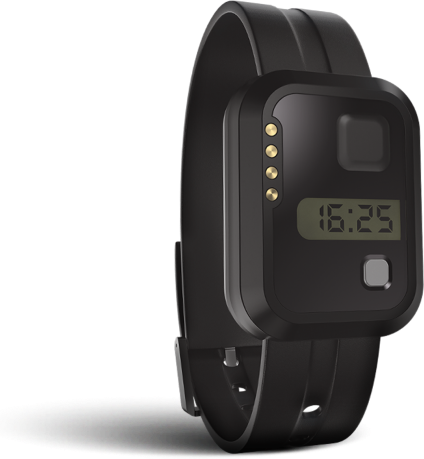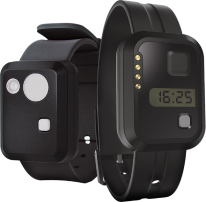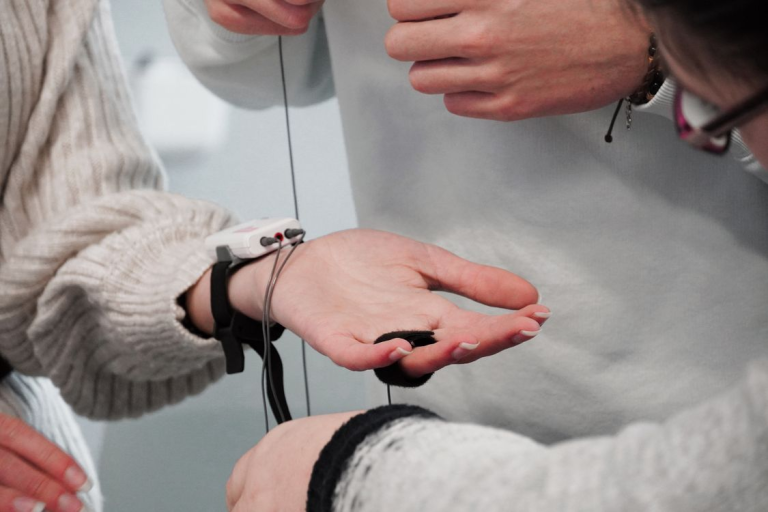



Quality sleep is essential for athletes looking to perform at their best. It plays a crucial role in muscle recovery, cognitive function, and overall endurance. However, many athletes struggle with sleep disruptions due to intense training schedules, travel demands, and competition stress. To address these challenges, sports scientists and trainers increasingly rely on actigraphy watches to monitor and optimize athletes’ sleep patterns. These wearable devices provide objective sleep data, helping athletes make informed decisions to enhance their recovery and performance.
The Importance of Sleep for Athletic Performance

Sleep is more than just rest—it’s an active recovery process that contributes to:
- Muscle repair and growth – Growth hormones are released during deep sleep, promoting tissue recovery.
- Cognitive function – Decision-making, reaction time, and focus improve with adequate sleep.
- Energy restoration – Proper sleep replenishes glycogen stores, essential for endurance.
- Injury prevention – Sleep deprivation increases the risk of injury due to slower reaction times and poor coordination.
Given these factors, tracking and improving sleep patterns is a priority for athletes aiming to reach peak performance.
How Actigraphy Watches Monitor Sleep
Actigraphy watches are wrist-worn devices that measure movement patterns to assess sleep and wake cycles. Unlike polysomnography (PSG), which requires an overnight stay in a lab with multiple sensors, actigraphy allows athletes to track their sleep in their natural environment over extended periods.
Key Benefits of Actigraphy for Athletes
1. Objective Sleep Tracking
Many athletes rely on subjective sleep assessments, such as sleep diaries, which can be inaccurate. Actigraphy watches provide objective data on:
- Total sleep duration
- Sleep efficiency (time spent asleep vs. time in bed)
- Sleep disturbances (frequent awakenings, restlessness)
This data helps coaches and sports scientists tailor training and recovery plans to each athlete’s unique sleep needs.
2. Identifying Sleep Disruptions
Athletes often experience jet lag, stress-induced insomnia, and irregular sleep schedulesdue to travel and competition. Actigraphy allows teams to detect disruptions and adjust strategies, such as:
- Optimizing sleep schedules before long-haul travel.
- Implementing relaxation techniques to improve sleep onset.
- Adjusting training intensity based on sleep quality.
3. Enhancing Recovery and Performance
By analyzing actigraphy watch data, athletes can fine-tune their recovery process. If sleep quality declines, interventions like light exposure adjustments, diet modifications, or controlled naps can be implemented to improve rest and energy levels.
Integrating Actigraphy into Athlete Sleep Strategies
To maximize the benefits of actigraphy watches, athletes should:
- Wear the device consistently for long-term data collection.
- Combine actigraphy insights with a sleep diary app to record subjective sleep experiences.
- Work with sleep coaches to interpret data and implement targeted interventions.
Conclusion
Actigraphy watches provide athletes with a powerful, non-invasive tool to optimize sleep and enhance recovery. By tracking sleep patterns and identifying disruptions, athletes can make data-driven adjustments that improve their overall performance. As sleep science continues to evolve, actigraphy will remain an essential tool for athletes striving to achieve their peak potential.
Unlock Peak Athleticism with Actigraphy Monitoring Devices from Condor Instruments
Optimize recovery with actigraphy watches, wrist actigraphy devices, and sleep tracking technology. Monitor sleep patterns, enhance performance, and prevent fatigue using Actigraphy monitoring devices. Elevate your training with data-driven insights—explore Actigraphy devices for sale at Condor Instruments today! Contact now for more details.