

Wearable technologies have become integral to clinical sleep research, enabling scalable and longitudinal monitoring outside laboratory environments. Actigraphy is widely used to infer sleep-wake patterns through continuous motion tracking. An actigraph must deliver consistent and accurate measurements across time and subjects, which makes calibration a foundational requirement. Without standardized calibration protocols, variability in sensor performance can introduce bias, reduce comparability, and compromise the validity of clinical outcomes.
Why Calibration Matters in Sleep Studies
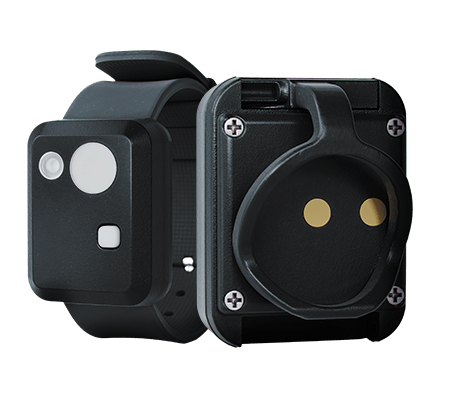
Calibration ensures that a device’s recorded signals correspond accurately to real-world physical inputs. In the context of actigraphy, this involves aligning accelerometer outputs with known movement intensities and confirming stable sensitivity across axes. Even minor deviations can alter activity counts, leading to misclassification of sleep and wake states.
In multicenter trials or longitudinal studies, uncalibrated devices can introduce systematic error. Differences between units, firmware versions, or wear conditions may skew results if not normalized through proper calibration procedures. This is particularly critical when evaluating treatment effects or comparing cohorts.
Furthermore, calibration also supports harmonization across heterogeneous datasets, enabling meaningful aggregation of sleep metrics from different study sites. It reduces inter-device variability, which is essential when sample sizes are large and devices are deployed in uncontrolled home environments. Robust calibration frameworks also facilitate regulatory compliance in clinical research, ensuring that collected data meets predefined quality standards for reproducibility and auditability.
Core Components of Calibration Protocols
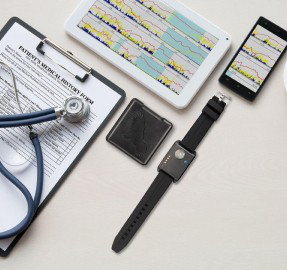
Effective calibration protocols typically include both factory-level and field-level procedures. Factory calibration establishes baseline sensor accuracy using controlled mechanical inputs, such as vibration tables or robotic motion systems. These processes define device-specific correction factors and ensure consistency across production batches.
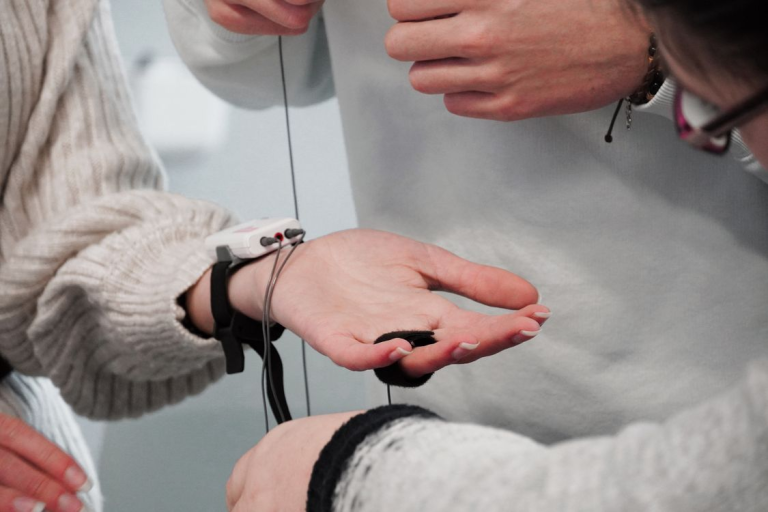
Field calibration validates performance under real-world conditions. This may involve standardized movement tasks performed by participants or comparison against reference devices. For example, controlled wrist movement sequences can be used to verify signal responsiveness and detect drift over time.
Time synchronization is another critical component. Aligning timestamps across devices, sleep diary entries, and auxiliary sensors such as light detectors ensures coherent data fusion and accurate epoch classification.
Additionally, calibration procedures often include post-deployment validation checks to confirm that devices maintain performance stability throughout the study duration. These checks help identify outliers early and prevent compromised datasets from affecting final sleep outcome analyses.
Addressing Sensor Drift and Environmental Variability
Over time, wearable sensors may experience drift due to mechanical wear, temperature fluctuations, or prolonged use. Regular recalibration intervals help detect and correct these deviations before they impact data integrity. Some protocols recommend periodic validation checks during long studies, especially when devices are reused across participants. Environmental factors also influence sensor performance. Variations in ambient temperature, humidity, and electromagnetic interference can affect readings. Calibration protocols should account for these conditions, either through compensation algorithms or controlled testing environments.
Battery performance is another often overlooked variable. Declining battery levels can subtly alter sensor output or sampling rates, making it essential to include power-state checks within calibration workflows.
Additionally, maintaining detailed calibration logs is critical for auditability in clinical research. These logs should document calibration dates, environmental conditions, device identifiers, and any corrective adjustments applied. Such traceability supports regulatory compliance and strengthens the reproducibility of study findings.
Integration with automated calibration alerts can further enhance workflow efficiency. Modern wearable systems increasingly include self-diagnostic features that notify researchers when recalibration thresholds are exceeded, reducing downtime and minimizing the risk of corrupted datasets.
Best Practices for Clinical Implementation
Standardization is key to effective calibration in clinical sleep research. Protocols should be clearly documented and consistently applied across all study sites. This includes defining calibration frequency, acceptable tolerance thresholds, and procedures for handling out-of-spec devices.
Training personnel is equally important. Research staff must understand how to perform calibration checks, interpret results, and document any deviations. Automated calibration logs and device diagnostics can streamline this process and reduce human error.
Integration with data processing pipelines further enhances reliability. Calibration coefficients and validation flags should be incorporated into preprocessing steps, ensuring that only high-quality data contributes to analysis.
By embedding rigorous calibration protocols into study design, researchers can enhance measurement accuracy, improve reproducibility, and support robust clinical conclusions.
Ensure Data Integrity with Calibrated Actigraphy Solutions from Condor Instruments
Maintain precision across every recording with clinically validated actigraph devices, integrated light sensor calibration, and synchronized sleep diary workflows. Work with Condor Instruments to standardize device performance and strengthen the reliability of your sleep research data.