


Sleep researchers regularly face one major challenge when analyzing longitudinal sleep data: people do not sleep the same way. Biological differences, medical conditions, lifestyle habits, environmental exposure, and circadian preferences all shape sleep behavior differently across populations. These variations create significant complexity during data interpretation and cohort comparison.
Researchers studying sleep with actigraphy must manage these differences carefully to avoid misleading conclusions. Raw activity data rarely tells the complete story when cohorts include mixed demographics or clinical populations. Effective handling of actigraphy inter-subject variability allows physicians, sleep specialists, and researchers to generate stronger evidence, improve reproducibility, and increase confidence in clinical findings.
This article examines practical strategies for managing variability in sleep data analysis, including normalization methods, personalized baselines, cohort stratification, and statistical considerations.
Why Inter-Subject Variability Complicates Sleep Analysis
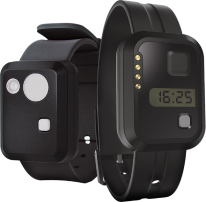
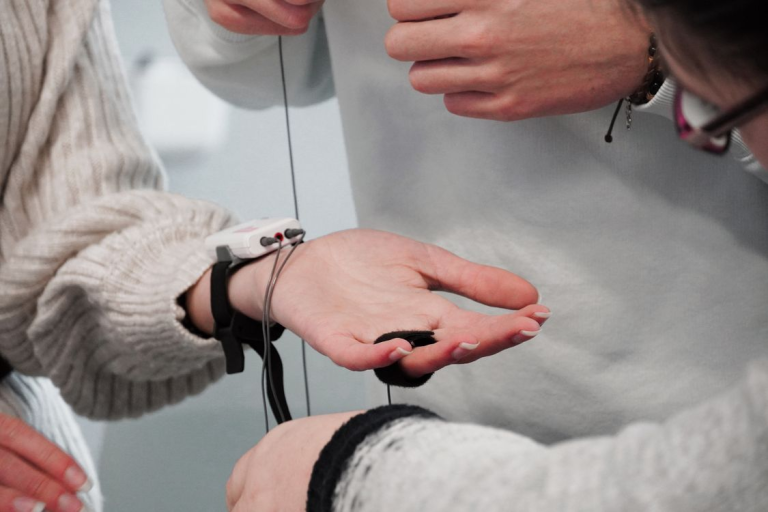
Actigraphy measures movement patterns to estimate sleep-wake behavior over extended periods. Researchers often use an actigraphy device in clinical sleep studies because it supports long-term monitoring in natural environments without disrupting participant routines.
However, movement patterns vary substantially between individuals.
Older adults often display fragmented sleep and reduced daytime activity. Patients with neurological disorders may exhibit irregular nocturnal movement. Athletes can produce elevated nighttime activity despite healthy recovery patterns. Shift workers frequently demonstrate delayed sleep timing and unstable circadian rhythms.
These differences influence nearly every major sleep metric, including:
- Sleep efficiency
- Sleep onset latency
- Wake after sleep onset
- Total sleep time
- Circadian stability
- Rest-activity rhythm consistency
Without proper adjustment methods, researchers may mistake natural population differences for clinically significant outcomes.
Personalized Baselines Improve Interpretation
Personalized baseline development remains one of the most effective ways to manage variability in actigraphy studies.
Instead of comparing participants only against cohort averages, researchers should establish each subject’s typical sleep profile before evaluating changes over time. Baseline monitoring captures normal fluctuations and improves sensitivity during longitudinal analysis.
Most studies collect baseline data across 7 to 14 days to account for weekday and weekend variability.
Baseline protocols often include:
- Sleep timing patterns
- Activity rhythm consistency
- Light exposure measurements from a light sensor
- Daily sleep duration
- Fragmentation patterns
- Behavioral sleep routines
Researchers gain stronger insight when they combine actigraphy with a sleep diary for research. Subjective reports often explain anomalies that movement-based analysis alone cannot identify.
For example, stress, caffeine intake, medication changes, or travel schedules can alter movement patterns significantly. Sleep diaries provide essential context for interpreting these fluctuations accurately.
Sleep Diaries Add Critical Behavioral Context
Actigraphy cannot identify sleep stages such as REM sleep. Researchers must combine objective recordings with behavioral reporting tools to improve interpretation quality.
A structured sleep diary for sleep studies helps investigators document factors that influence nightly sleep variability. Researchers often collect information related to:
- Bedtime and wake time
- Night awakenings
- Nap frequency
- Medication schedules
- Shift work exposure
- Alcohol and caffeine intake
- Device removal periods
Many research centers use standardized sleep diary examples to maintain consistency across multicenter studies. Consistent formatting improves data harmonization and reduces reporting variability between cohorts.
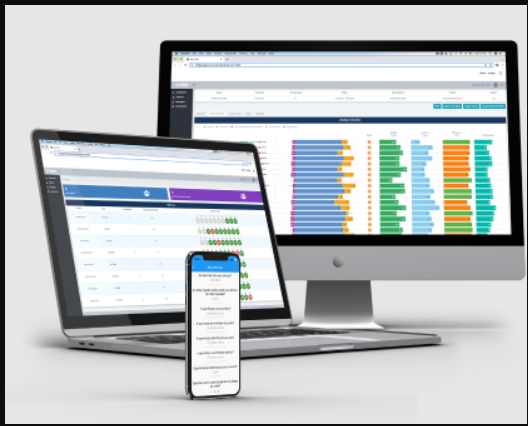
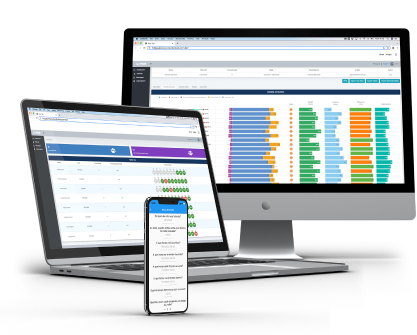
Digital reporting systems also improve compliance. A clinically focused sleep journal app can increase timestamp accuracy, simplify participant reporting, and reduce missing entries during long-term monitoring protocols.
Researchers who integrate behavioral reporting with actigraphy often achieve more reliable longitudinal outcomes.
Normalization Strategies Reduce Variability
Normalization allows researchers to compare participants more accurately across heterogeneous populations.
Z-Score Standardization
Researchers commonly use z-score normalization to standardize sleep metrics relative to cohort averages. This method converts values into standardized units based on the mean and standard deviation of the dataset.
Z-score normalization works particularly well in large cohort studies because it minimizes distortion from individual outliers.
Min-Max Scaling
Min-max scaling transforms data into a fixed numerical range. Researchers often apply this method before machine learning analysis or predictive modeling.
This strategy improves consistency during algorithm training, although extreme values can still affect scaling quality.
Circadian Alignment
Chronotype differences strongly influence sleep timing data. Researchers should align sleep metrics relative to biological timing instead of relying solely on clock time.
For example, comparing sleep onset at 9 PM and midnight without considering chronotype can produce misleading conclusions. Circadian alignment improves interpretation accuracy across diverse populations.

Why Researchers Choose Condor Instruments
At Condor Instruments, we support physicians, sleep specialists, and sleep researchers with advanced actigraphy solutions built for clinical and research environments.
Our actigraphy systems provide reliable long-term monitoring, integrated light sensor functionality, and robust data collection capabilities for demanding sleep research protocols. We also support workflows that incorporate a sleep diary for research for efficient participant reporting.
We provide a strong alternative for institutions conducting longitudinal monitoring, circadian rhythm analysis, and large-scale actigraphy comparison studies. Our solutions help research teams generate consistent, high-quality actigraphy data across diverse patient populations while supporting the precision modern sleep research demands. Connect with our team today.