


Longitudinal sleep monitoring has become a cornerstone of modern sleep research, particularly in studies that aim to capture naturalistic sleep patterns over extended periods. Unlike laboratory-based assessments, which provide only short snapshots of sleep physiology, long-duration monitoring using an actigraph allows researchers to observe sleep-wake behavior as it unfolds in real-world contexts.
The shift toward extended monitoring is driven by the recognition that sleep is highly variable across nights and strongly influenced by environmental, behavioral, and social factors. High-compliance study designs are therefore essential to ensure data completeness and interpretability over weeks or months of continuous recording.
In this context, actigraphy provides a scalable, non-invasive method for capturing rest-activity cycles, making it a preferred tool for large cohort and field-based studies. However, achieving reliable longitudinal datasets requires careful attention to participant adherence, device design, and multimodal integration, including inputs from a sleep diary and environmental measurements from a light sensor.
The Rationale for Long-Duration Actigraphy Studies

Sleep is not a static biological process. It fluctuates across time due to circadian influences, behavioral demands, and environmental exposures. Short-term measurements often fail to capture these dynamics, leading to incomplete or biased interpretations.
Longitudinal actigraphy studies address this limitation by collecting continuous data over extended periods, often ranging from several days to multiple months. This approach allows researchers to:
- Capture intra-individual variability in sleep patterns
- Identify long-term trends in sleep consolidation or fragmentation
- Assess the impact of interventions or environmental changes
- Model circadian stability and adaptation over time
By leveraging an actigraph, researchers can continuously record movement data that reflects sleep-wake transitions without requiring active participation beyond device wear compliance.
Study Design Considerations for High-Compliance Monitoring

Designing a successful long-duration actigraphy study requires balancing scientific rigor with participant burden. Compliance is one of the most critical determinants of data quality in longitudinal research.
Device Selection and Wearability
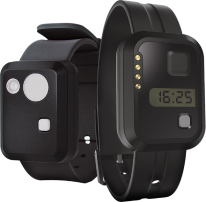
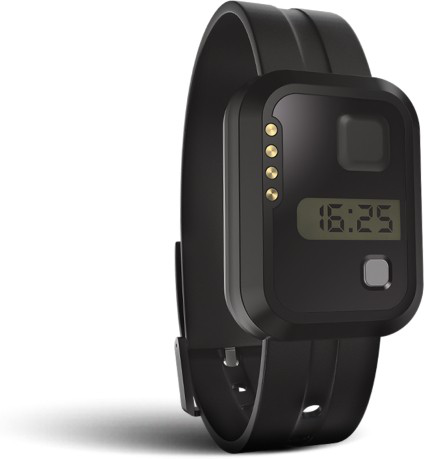
The choice of actigraph device plays a central role in study success. Devices must be lightweight, minimally intrusive, and capable of long battery life. Comfort and ease of use directly influence adherence rates, particularly in studies lasting several weeks or longer.
Modern actigraphy devices often include integrated light sensor capabilities, which enhance data richness by capturing environmental exposure patterns. However, additional sensors must not compromise usability or increase participant burden.
Participant Engagement Strategies
Sustaining participant engagement over long periods is a major challenge. Common strategies include:
- Clear onboarding instructions and training
- Regular check-ins or automated reminders
- Incentive structures tied to compliance thresholds
- Simplified device usage protocols
A well-maintained sleep diary can also improve engagement by encouraging daily reflection and reinforcing study participation. Digital sleep diaries, in particular, can streamline data collection and reduce missing entries.
Defining Compliance Metrics
Compliance must be operationally defined in measurable terms. Common metrics include:
- Percentage of valid wear time per day
- Consecutive days of uninterrupted data
- Completeness of sleep diary entries
- Synchronization between Actigraph and light sensor data streams
Establishing clear thresholds for inclusion and exclusion ensures consistency in downstream analyses.
Data Collection in Longitudinal Actigraphy

Continuous Actigraphy Recording
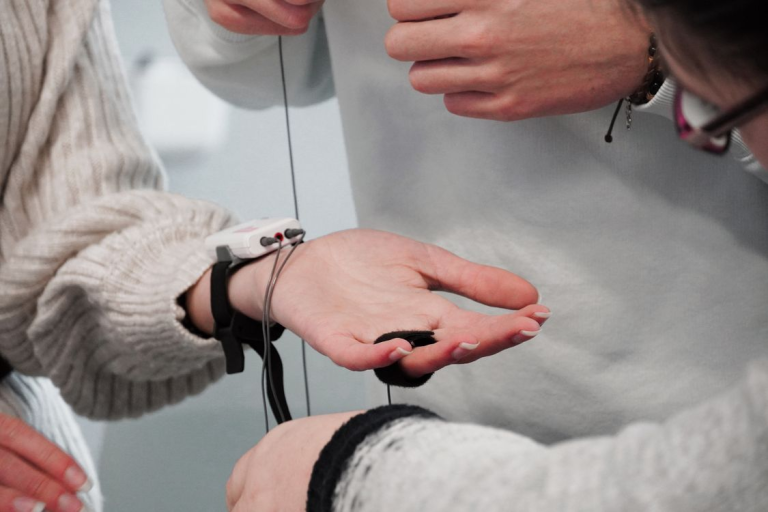
The core of longitudinal sleep monitoring is continuous movement tracking via an actigraph. These devices record accelerometry data at high temporal resolution, enabling fine-grained reconstruction of sleep-wake cycles.
Over time, this produces large datasets that require structured storage and preprocessing pipelines. Data integrity checks are essential to identify non-wear periods, device malfunctions, or signal drift.
Integration of Light Exposure Data
The inclusion of a light sensor adds an important environmental dimension to sleep research. Light exposure is a primary regulator of circadian rhythms and can significantly influence sleep timing and quality.
By analyzing light exposure patterns alongside activity data, researchers can better understand how external environments shape sleep behavior. This is particularly relevant in studies involving shift workers, urban populations, or individuals with irregular schedules.
Role of Sleep Diaries in Longitudinal Studies
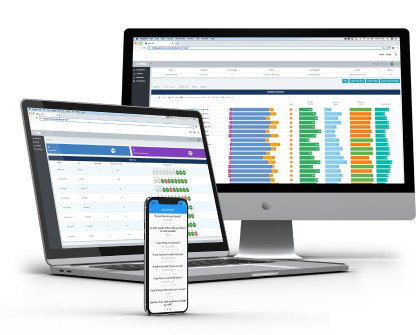
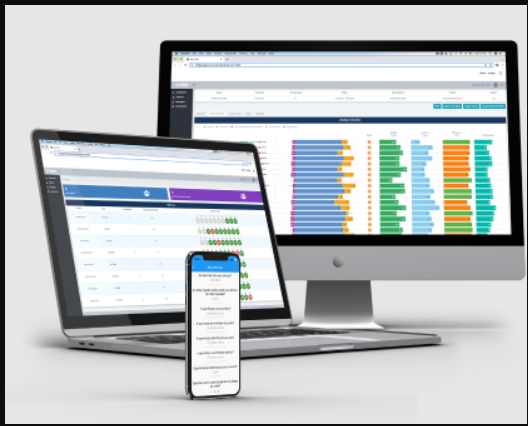
A sleep diary provides subjective context that complements objective actigraphy data. Participants typically record bedtimes, wake times, perceived sleep quality, and disturbances.
When aligned with actigraph data, sleep diaries help:
- Validate sleep onset and offset detection algorithms
- Identify discrepancies between perceived and actual sleep
- Provide ground truth labels for machine learning models
However, maintaining diary compliance over long durations can be challenging, requiring user-friendly interfaces and minimal reporting burden.
Signal Processing in Long-Term Actigraphy Data
Longitudinal datasets require robust preprocessing pipelines to ensure data quality and comparability across time.
Handling Missing Data
Missing data is inevitable in long-duration studies. Non-wear periods, device charging, or participant non-compliance can create gaps in the dataset. Common approaches include:
- Interpolation for short gaps
- Exclusion of days with insufficient wear time
- Model-based imputation using surrounding activity patterns
Normalization Across Time
Activity levels can vary significantly across individuals and over time. Normalization techniques are often applied to ensure comparability, particularly in multi-subject studies.
Feature Extraction over Extended Periods
Longitudinal Actigraphy allows for the extraction of higher-order features such as:
- Weekly and monthly sleep stability indices
- Variability in sleep onset and offset timing
- Long-term trends in circadian alignment
- Fragmentation indices across extended timelines
These features provide insights that are not accessible through short-term monitoring.
Modeling Sleep Patterns over Time
Time-Series Analysis Approaches
Longitudinal Actigraphy data is inherently temporal, making time-series modeling a natural analytical approach. Methods include:
- Moving average smoothing to identify trends
- Autoregressive models for predicting sleep behavior
- State-space models for dynamic sleep-wake transitions
These models help capture both short-term fluctuations and long-term trends in sleep behavior.
Machine Learning in Longitudinal Sleep Research
Machine learning models are increasingly used to analyze extended Actigraphy datasets. These models can identify patterns in high-dimensional data and detect subtle changes over time.
Common approaches include:
- Recurrent neural networks for sequential data
- Clustering algorithms for sleep phenotype identification
- Classification models for sleep disorder detection
The integration of light sensor and sleep diary data enhances model performance by providing additional contextual features.
Challenges in Longitudinal Actigraphy Studies
Participant Fatigue and Attrition
One of the most significant challenges in long-duration studies is participant dropout. Fatigue, inconvenience, or device discomfort can lead to declining compliance over time.
Data Heterogeneity
Variability in participant behavior, device usage, and environmental exposure introduces heterogeneity into the dataset. This must be carefully managed through standardized protocols and robust statistical methods.
Technical Limitations
Device battery life, memory constraints, and sensor calibration issues can affect data continuity. Regular maintenance and monitoring protocols are essential to minimize data loss.
Interpretation Complexity
Longitudinal datasets are complex and multidimensional. Interpreting changes in sleep patterns requires careful consideration of confounding factors such as travel, illness, or lifestyle changes.
Applications of Longitudinal Actigraphy
Sleep Disorder Monitoring
Extended actigraphy monitoring is widely used in the assessment of insomnia, circadian rhythm disorders, and hypersomnia conditions. It provides objective evidence of sleep variability over time.
Behavioral and Lifestyle Research
Longitudinal data enables researchers to study the impact of lifestyle factors such as stress, diet, and physical activity on sleep health.
Clinical Trials and Intervention Studies
Actigraphy is frequently used in clinical trials to evaluate the effectiveness of sleep interventions, including pharmacological treatments and behavioral therapies.
Occupational and Environmental Health
Long-term monitoring is particularly valuable in assessing sleep disruption in shift workers and individuals exposed to irregular light-dark cycles.
Toward Scalable and High-Compliance Study Designs
Future advancements in longitudinal sleep research will depend on improving both technological and methodological frameworks. Key directions include:
- Development of more comfortable and unobtrusive actigraph devices
- Automated compliance monitoring systems
- Integration of real-time feedback mechanisms
- Enhanced synchronization between actigraphy, light sensor data, and sleep diary inputs
Improving participant experience will be critical for maintaining high compliance in large-scale studies.
Standardization and Reproducibility
As longitudinal actigraphy research expands, the need for standardized protocols becomes increasingly important. Standardization ensures that findings are comparable across studies and populations.
Key areas for standardization include:
- Wear time definitions
- Preprocessing pipelines
- Feature extraction methodologies
- Reporting standards for compliance and data quality
Open-source tools and shared datasets are contributing to improved reproducibility in the field.
Enhance Sleep Science Research with Precision Wearable Actigraphy from Condor Instruments
Enhance longitudinal sleep research with advanced actigraphy systems from Condor Instruments designed for sustained monitoring and high participant adherence. Utilize continuous actigraph recordings, integrated light sensing, and structured sleep diary integration to strengthen data integrity, improve compliance, and support robust circadian and sleep-wake analyses across extended study periods. Contact now to learn more.
Frequently Asked Questions
1. How long should an actigraphy study run for meaningful longitudinal analysis?
Most studies run from one to several weeks, but longer durations of months are preferred for capturing stable sleep patterns and variability.
2.Why is compliance critical in long-term Actigraphy studies?
High compliance ensures data completeness and reduces bias caused by missing or inconsistent recordings.
3.What role does a sleep diary play in longitudinal monitoring?
A sleep diary provides subjective sleep timing and quality information that helps validate and interpret Actigraphy-derived sleep measures.