

Introduction
Sleep is fundamental for maintaining and promoting life, as it is the time when the body recovers cognitive, physical and metabolic processes (Van Cauter et al., 2007). Sleep is governed by circadian factors (for more information, see: https://condor.fabbricaweb.com.br/o-que-e-ritmo-circadiano/) and homeostatic pressure, so that the greatest propensity to sleep occurs when the accumulation of homeostatic pressure coincides with the moment of circadian propensity to sleep, usually at night and also at midday (Borbély et al., 2016).
Sleep restriction and deprivation are associated with various health and safety problems, such as poorer cognitive performance (increased reaction time, poorer decision-making ability, impaired inhibitory control, among others) (Frey et al., 2004), as well as hormonal and metabolic damage, such as dysregulation of the hormones ghrelin and leptin, and a greater propensity to cardiometabolic diseases such as diabetes and hypertension (Bryant et al., 2004). These conditions increase the likelihood of accidents and errors in the workplace and in traffic.
The quality and quantity of sleep can be negatively impacted by sleep disorders, increasing levels of fatigue and daytime sleepiness. A large part of the population is affected by sleep disorders such as obstructive sleep apnea (for more information, see https://condor.fabbricaweb.com.br/disturbios-do-sono/) (Tufik et al., 2010), which shows us that the level of sleepiness and fatigue can become a problem for society and should be carefully assessed.
Fatigue
In general, fatigue is a complex and multifactorial process, which can be defined as a reduction in an individual’s physical and mental capacities, resulting in difficulty performing tasks and efficiency in responding to stimuli. Considering the multifactorial aspect of fatigue, we can classify it as physical, mental and emotional:
- Emotional fatigue: represents emotional tiredness and reduced ability to engage in emotional activities.
- Mental fatigue: usually occurs after a prolonged period of maintaining mental activities or highly stressful activities. It is characterized by a reduction in the ability to engage in cognitive activities.
- Physical fatigue: occurs after a prolonged period of isometric muscle contraction or repeated isotonic muscle contractions, and results in difficulty performing physical activities.
In addition, some people can also be affected by Chronic Fatigue Syndrome, characterized by an intense feeling of persistent tiredness, muscle pain, mood disturbances, sleep disturbances and cognitive impairment lasting 6 months or more, which leads to a reduced ability to perform physical and cognitive activities. The feeling of fatigue caused by this syndrome is not caused by acute stimuli and does not improve with rest, substantially impacting on an individual’s productive capacity. This syndrome can be caused by alterations in immune, neuroendocrine and autonomic functions.
Causes of fatigue
Given the complex and multifactorial nature of fatigue, it has various causes that can interact to intensify or attenuate the fatigue process. We can divide the factors that lead to fatigue into work conditions, individual conditions and individual performance at work.
Working conditions
This refers to the logistical aspects and organization of the work schedule, such as the length of the shift, the time at which the shift takes place, rotation characteristics and breaks during the working day and between working days, as well as the inherent characteristics of the workplace and worker relations.
The length of the work shift has a significant impact on the onset of fatigue as it can take up part of the time set aside for rest and leisure. However, the worker’s perception of their work also has a major impact, since work that is seen as pleasurable and done consciously is less likely to cause fatigue, even if it lasts longer. However, it is important to condense all work to less than 60 hours a week, as evidence shows that above this workload, the impact on leisure and rest becomes inevitable (Techera et al., 2016). In addition, the risk of accidents increases exponentially with shifts lasting longer than 8 hours, so that 12-hour shifts have almost double the risk of accidents compared to 5-hour shifts (Folkard and Tucker, 2003). Therefore, breaks should be established during the working day and time off between working days to allow the fatigue process that has accumulated during the working period to completely dissipate.
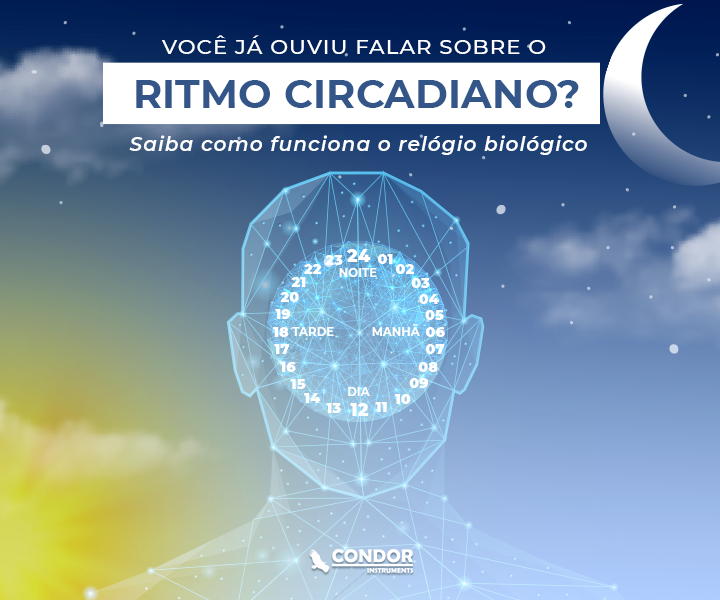
Considering that human beings show circadian rhythmicity in various biological functions, the time at which work takes place is also related to the onset of fatigue. Thus, morning and night shifts tend to contribute more to the development of fatigue, as they prevent the recovery process from occurring fully. For example, individuals who have to wake up very early for work (3am or 4am) are deprived of an important part of their night’s sleep, which has an impact on their fatigue levels. On the other hand, night shift workers need to sleep during the day’s light cycle, which also prevents them from getting a full and restorative sleep due to circadian characteristics (high core temperature and lack of melatonin) (Sallinen and Kecklund, 2010).
On the other hand, the intrinsic characteristics of the workplace, such as temperature and noise, should also be analyzed. Environments with high levels of intermittent or constant noise contribute to the onset of fatigue (Kjellberg et al., 1998). Not only that, but environments with extreme temperatures, whether hot or cold, lighting characteristics, ergonomics and pressure conditions have the same effect (Krause et al., 1997). In addition, relationships in the workplace should be as healthy as possible, preventing excessive competition and the presence of bullying causes unnecessary fatigue.
Individual conditions
It refers to the personal characteristics and lifestyle habits of each individual, such as regular physical activity, adherence to a healthy and balanced diet, engagement in leisure activities, the use of medication, sleep patterns and the presence of sleep disorders, chronotype, tolerance and ways of dealing with stress, and the family environment. All these conditions are related, so the greater the presence of positive variables, as well as family support, the lower the tendency to fatigue.
Individual performance at work
It refers to the physical and cognitive characteristics performed by the individual, such as reaction time, decision-making ability, emotional awareness, memory capacity and sustained vigilance.
Influence of sleep on the fatigue process
Sleep has been shown to be the main trigger of the fatigue process. The longer you are awake, the greater the damage. Thus, in relation to psychomotor performance, staying awake for 17 hours is equivalent to a blood concentration of 0.05% of alcohol, while staying awake for 24 hours is equivalent to a blood concentration of 0.10% of alcohol (Dawson and Reid, 1997).
In this respect, the recommended total sleep time for the majority of the population is more than 7 hours a night. However, there are short sleepers, who feel satisfied sleeping between 4 and 6 hours, while there are long sleepers, who need to sleep between 10 and 12 hours to feel fully recovered. These are at the extreme end of the population, so that the vast majority of the population needs to sleep between 7 and 8 hours to fully recover. It is therefore essential that the desired amount of sleep is obtained to prevent fatigue from building up.
Consequences of fatigue

The financial costs of fatigue are significant. It is estimated that around 45,000 people in Brazil die each year as a result of traffic accidents, which are the main cause of death in the country (Carvalho, 2020). In financial terms, these accidents represent a cost of R$ 50 billion each year, represented by the loss of the victims’ workforce, as well as hospital admissions. In this respect, traffic accidents related to fatigue and drowsiness commonly accompany deaths and, when death does not occur, there is a likelihood that the accident will be more serious (Stahl and Sigua, 2020). For this reason, treating sleep disorders should become a priority for those suffering from these ailments. Not only that, but fatigued workers perform worse at work and fall ill more often, which leads to absenteeism and a significant financial cost that is generally borne by the population (Godet-Cayré, 2006).
In sport, the pressure to achieve results and improve performance is constant, and this is one of the factors that contributes to poor sleep quality among athletes – in addition to the use of electronic devices during the night, traveling to compete, muscle pain from physical training, sleeping in unfamiliar rooms, among others. The consequences of sleep deprivation in this population are a drop in sporting performance, as well as a greater risk of developing injuries, which leads to time off work and financial losses for the athlete and the club (Hägglund et al., 2013).
Students also suffer from high levels of fatigue. Given the important memory consolidation function of sleep, students who do not achieve the desired total sleep time have poorer academic performance (Curcio et al., 2006).
Fatigue assessment
Given the complexity and multifactorial nature of fatigue, this construct is almost impossible to assess objectively. Not only that, but the distinction between acute fatigue and chronic fatigue becomes a complicating factor, since acute fatigue has various manifestations, whereas chronic fatigue has well-defined characteristics in the scientific literature. Thus, the level of sleepiness can be used as a parameter to estimate the level of fatigue, and is often used in the workplace as it is a quick and easy-to-apply assessment (Gates et al., 2018). Furthermore, in the workplace, the focus of fatigue assessment should be on reducing accidents and maintaining performance, while in the sports environment the focus should be on maintaining performance, and reducing the likelihood of injuries occurring.
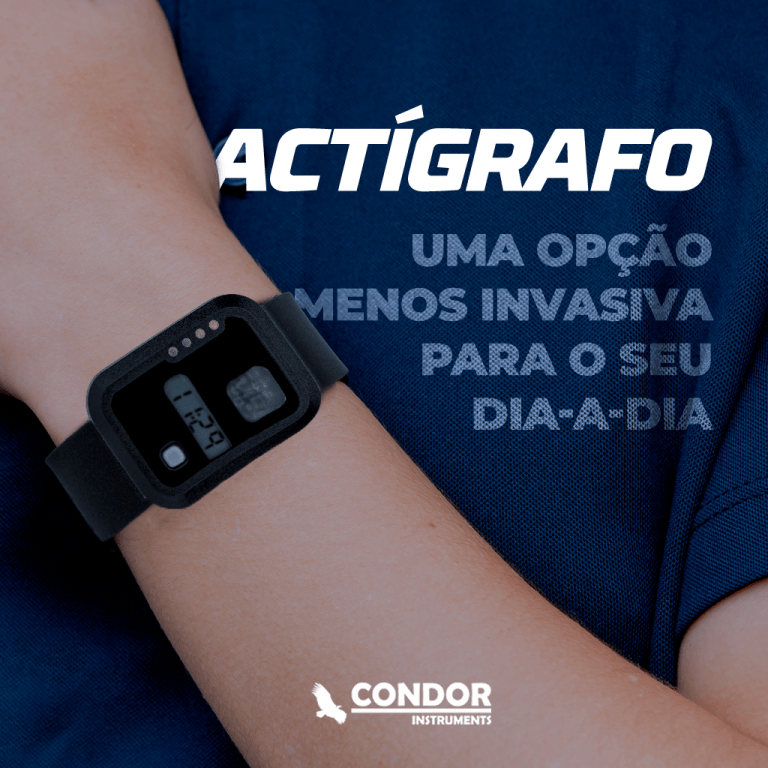
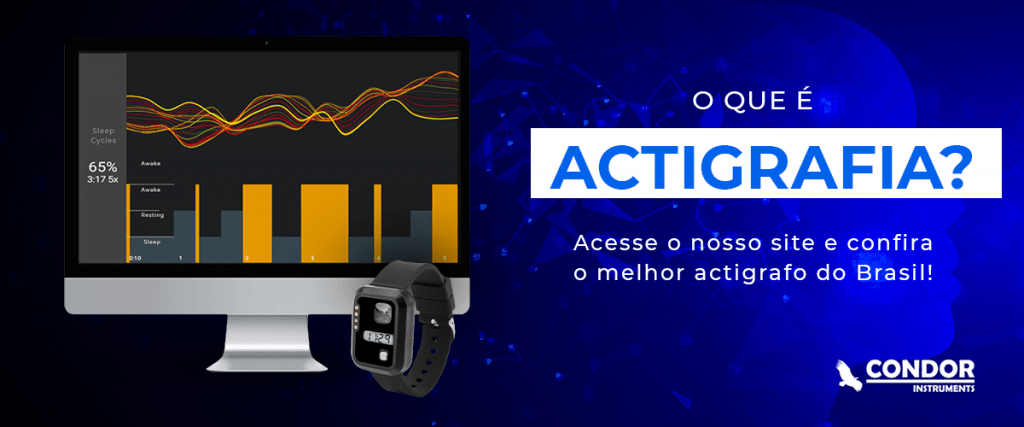
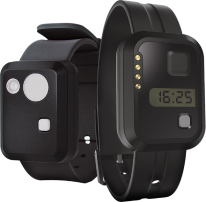
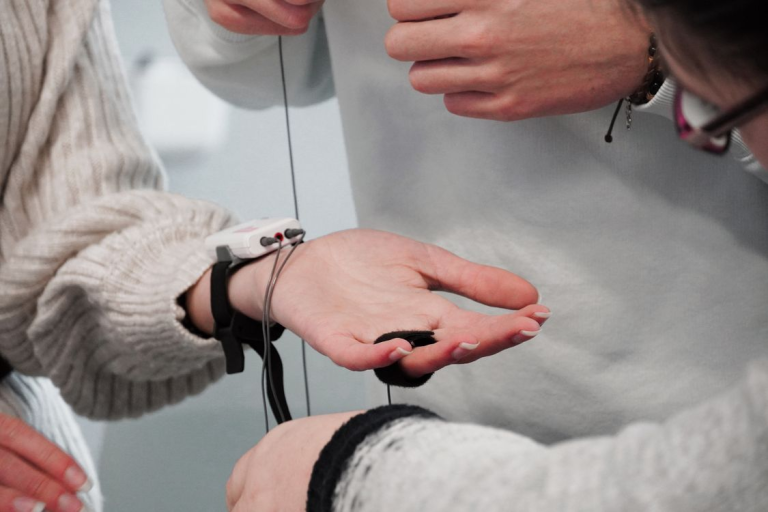
Therefore, as sleep has been shown to be the main factor that interferes with the level of fatigue, it can be understood that those workers and athletes who have poor sleep quality and insufficient total sleep time are at greater risk of developing fatigue. It is therefore essential to assess the quality of sleep in these populations. In this respect, actigraphy is a useful and non-invasive technique that can be used to assess sleep and biological rhythms (Sadeh, 2011). The actigraph is a device similar to a wristwatch and contains sensors for movement, light and, in some more modern models, temperature sensors. Data analysis allows variables such as total sleep time, sleep efficiency (ratio between time in bed and time actually slept), sleep onset latency (time between intention to sleep and sleep onset), time awake after sleep onset and total time awake to be obtained. For more information, see https://condor.fabbricaweb.com.br/o-que-e-actigrafia/.
Conclusion
Fatigue is a multifactorial, complex and difficult-to-measure process that can cause substantial damage to the working, sporting and academic environment. It is therefore essential to find ways to mitigate and reduce the occurrence of fatigue. However, objectively assessing fatigue is almost impossible, given its multifactorial characteristics. Thus, the level of daytime sleepiness and total sleep time can be used as a basis for estimating the level of fatigue of individuals and, for sleep assessment, actigraphy is a useful and valid technique