

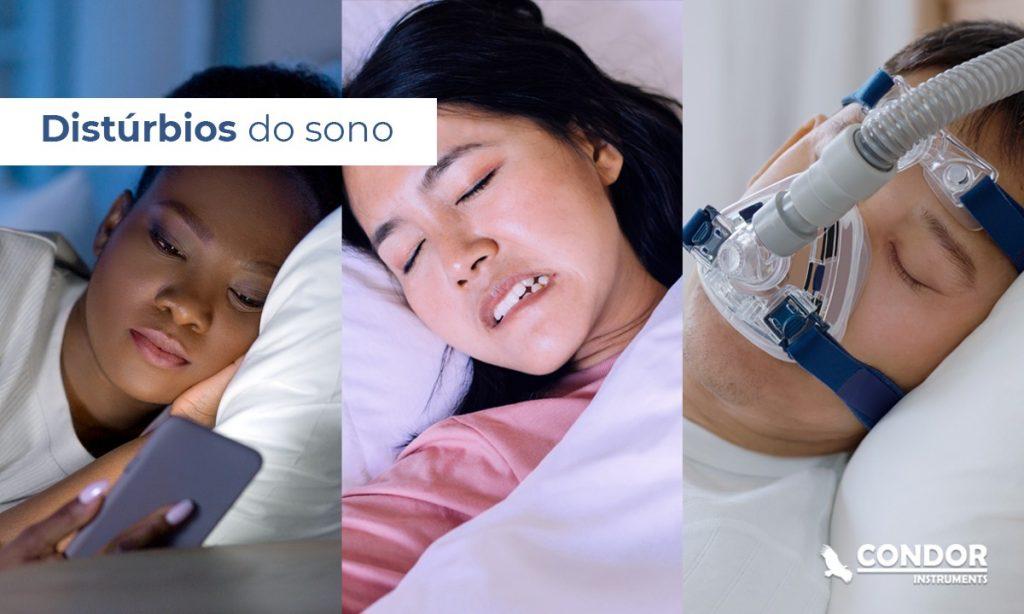
Find out what the most common sleep disorders are and how to treat them, as well as apnea and insomnia
One in three adults worldwide is affected by obstructive sleep apnea and between 85% and 90% of those affected by it sleep disorder are far from aware of this, according to the Brazilian Society of Endocrinology and Metabology. Sleepwalking, bruxism, night terrors and narcolepsy, among many others sleep disordersThey are robbing people of their quality of life and – much more seriously – they can be fatal.
But how to identify a sleep disorder? And what to do in the face of the diagnosis? Read this content prepared by our experts and find out what the most common sleep disorders are and how to treat them, as well as apnea and insomnia. Happy reading!
What are sleep disorders?
How have you been sleeping regularly? If you’ve been feeling tired, irritable, moody, drowsy throughout the day, inattentive and even losing performance at work or in your studies, you should know that these are the most common symptoms of sleep disorders.
The sleep disorders are diseases that affect your sleep on a regular basis. The best known are insomnia and sleep apnea, but there are several others disordersIn other words, the issue is serious and needs to be investigated. In other words, the matter is serious and needs to be investigated. The good news is that they can all be treated.
Sleep medicine: how did it start?
Not yet so well known to the general public, the medicine of the sleep emerged in the 1970s, when doctors from a wide range of specialties, such as neurologists, psychiatrists and pulmonologists, as well as psychologists, began to study the subject in greater depth and created the first schools of sleep medicine in the United States and Europe.
In Brazil, sleep medicine arrived almost 20 years later, in the mid-90s. A curiosity on the subject: many believe that sleep disorders appeared with the advent of artificial light, which confuses the human body as to when it is day or night. However, the philosopher Aristotle already linked sleep regulation to digestion.
It was only on August 1, 2011 that Sleep Medicine was recognized as an area of medical practice in Brazil. On that exact day, Resolution 1973/2011 of the Federal Council of Medicine was published in the Federal Official Gazette, establishing the criteria for the recognition and designation of specialties and areas of practice in Medicine.
To become certified in Sleep Medicine, the doctor needs to have the title of specialist from the Brazilian Medical Association (AMB) in neurology, otorhinolaryngology, pneumology or psychiatry.
The main sleep disorders: insomnia

Insomnia is certainly the most well-known sleep disorder. It can happen in three different ways: the person has difficulty sleeping, difficulty keeping awake, or difficulty staying awake. sleep or wakes up well before the desired time. The main symptoms are excessive tiredness, lack of focus, irritability, a change in appetite and head and body pain.
According to Brazilian Association of Sleep Medicineone in three Brazilians suffers from this sleep disorder. Anxiety is the main cause of insomnia, that is, psychophysiological factors such as excessive expectation, worry and stress provoke it. disorder. But other known causes are the prevalence of body pain, the use of certain medications and respiratory and rheumatic diseases.
Experts warn that mental health problems, physical health problems, menopause, pregnancy, time zone changes, hospitalization, environmental factors (such as too high or too low temperatures and noise), an unhealthy lifestyle with excessive alcohol and caffeine consumption, lack of physical activity, shift work and the natural aging process are also risk factors.
It’s very difficult to find anyone who has never suffered from insomnia. But it stops being a symptom and becomes a chronic disorder when it becomes regular, in which case you should consult a doctor specializing in sleep medicine. Neurologists explain that insomnia is the result of an imbalance in the areas of the brain that contribute to maintaining the sleep/wake cycle, in such a way as to disrupt sleep.
How to treat insomnia
Sleep doctors recommend that those who suffer from insomnia seek professional help at least three times a week. A well-designed history will be able to pinpoint daytime and nighttime symptoms that are disrupting the quality of the patient’s sleep. Most likely, the doctor will ask the patient to keep a sleep diary, which in these cases can be more useful than tests.
The actigraph, an instrument capable of detecting oscillations in sleep activity patterns, can be used to understand the expression of the patient’s circadian rhythm. In this way, it can provide information about the patient’s daily routine, as well as giving access to information about the times they were exposed to environmental light and the rhythm of their body temperature, which has a strong association with endogenous daily regulation throughout the day.
Treatment can be pharmacological or non-pharmacological, always avoiding pharmacological use if possible. In general, professionals are advised to avoid prescribing benzodiazepines. When drugs are used, they opt for antidepressants, selective benzodiazepine drug-sensitive receptor agonists, melatonin agonists and melatonin, among others. Some recommend the use of herbal medicines, such as valerian and passiflora, but there are no scientific studies proving the success of these treatments.
Among many possible applications, some non-pharmacological treatment actions consist of:
– therapy in the manipulation of the patient’s sleep routine;
– fight the fear of going to bed and not being able to fall asleep;
– cognitive behavioral therapy for insomnia (CBT).
Not treating insomnia can lead to heart problems, stroke, diabetes, weight gain, depression and asthma. Therefore, treating this sleeping sickness is fundamental.
Sleep apnea
Not everyone knows or knows exactly what sleep apnea is, but it is much more common than you might think. A survey carried out by the Sleep Institute in São Paulo, using analyses carried out in 2007 and 2017, found that the percentage of Brazilians affected by apnea rose from 38% to 69%.
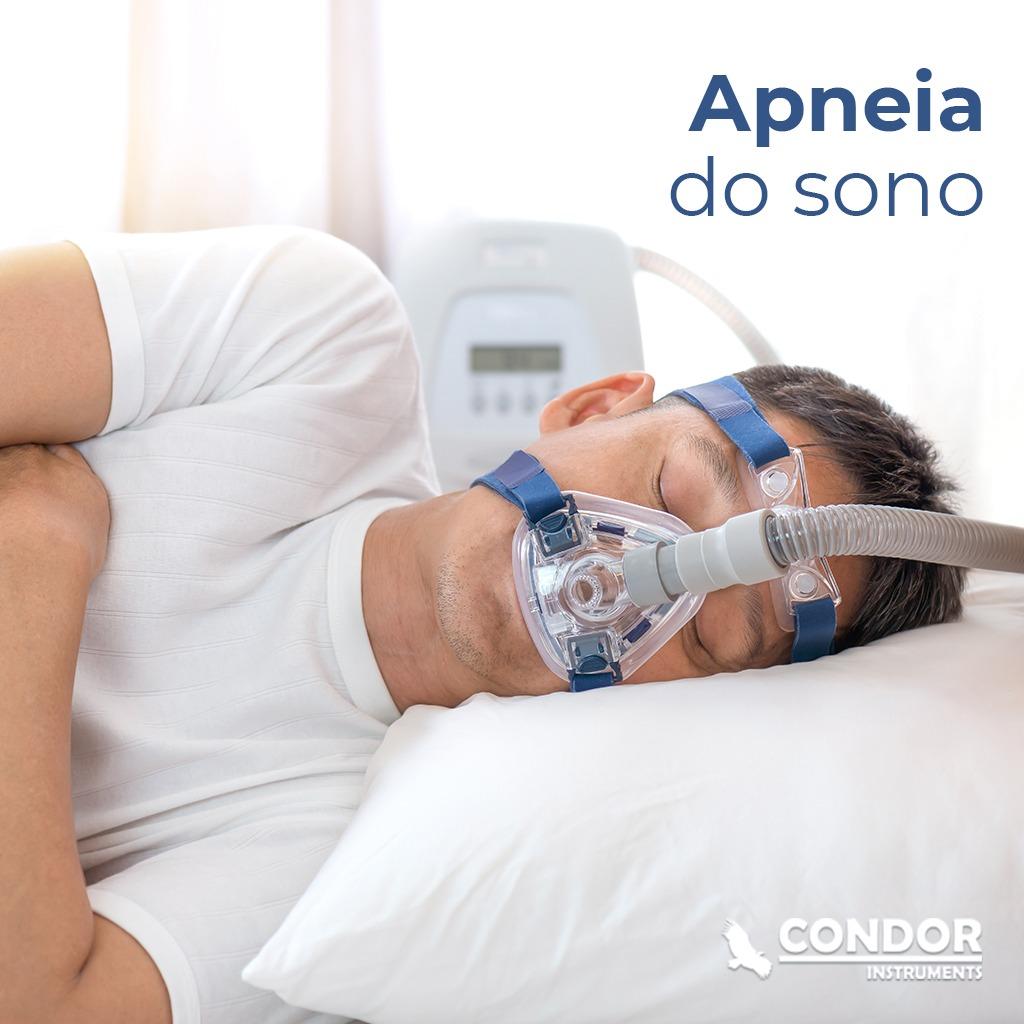
Obstructive sleep apnea (OSA), popularly known simply as apnea, can affect anyone, including babies. The São Paulo Heart Hospital (HCor) estimates that 20% of children who snore may suffer from apnea.
Apnea causes a brief interruption in breathing during sleep, and this can be repeated between a few and hundreds of times in the same night. Air travels from the mouth and nose to the lungs all the time, but for those affected by this condition, it’s not the only way. sleeping sicknessThis happens because the airway space in the throat of those with sleep apnea is obstructed by congenital causes or acquired over time, as a result of obesity or alcohol consumption, for example.
Snoring is the main characteristic of obstructive sleep apnea, caused by airflow passing through the tight space in a person’s airways. Untreated apnea can have serious consequences for the patient, such as the development of hypertension, heart disease, stroke and diabetes.
Signs and symptoms
– Dry or sore throat on waking;
– Loud snoring;
– Drowsiness and lack of energy during the day;
– Headache in the morning;
– Very restless sleep, with sudden awakenings or even insomnia;
– Mood swings and decreased sex drive.
Apnea treatment
Sleep apnea is diagnosed using the patient’s history and physical examinations. Some tests may also be requested by the doctor, such as the use of a polysomnograph. This test measures the activity of different organic systems associated with sleep, and can include an electroencephalogram, electro-oculogram, electromyogram, electrocardiogram, pulse oximetry test and arterial gasometry. Sleep apnea sufferers should consult an otorhinolaryngologist who specializes in sleep disorders.
There are different ways of treating the disease. Respiratory diseases, overweight, enlarged tonsils and craniofacial changes can cause apnea and should be controlled. Many doctors also recommend the use of intraoral appliances, which reposition the jaw or tongue in order to keep the airways open during sleep.
There are numerous devices of this type on the market, from low-cost, over-the-counter solutions to customized devices made by a specialized dentist. Many doctors also recommend so-called positive pressure devices (CPAPs), which allow a continuous flow of air with sufficient pressure to open the air passage to the lung.
Surgery is also an option for more serious cases. Before deciding on surgery, however, it is important to undergo therapy with an experienced and specialized speech therapist, because this treatment helps to firm up the muscles in the mouth and throat, with the aim of preventing obstruction during sleep, when the muscles are relaxed.
It is also recommended:
– Weight loss;
– Do not sleep on your stomach;
– Do relaxing activities in the evening;
– Avoid alcoholic beverages and heavy foods.
Night terrors
Although it can affect adults, night terrors are more common among children between the ages of two and five. It is very important not to confuse this sleep disorder with the nightmare. Night terrors last between seconds and a few minutes, when the affected child can sit up in bed, scream, open their eyes, cry and even run around the house, but the next day they don’t remember anything. Adults tend to be more aggressive during night terrors.
Other symptoms are
– Appearing intensely afraid;
– Deliberately kicking or struggling;
– Sweating
– Difficulty waking up;
– Abnormal breathing and rapid heartbeat
– Intense crying;
– Eyes wide and gaze fixed;
Sleep medicine still doesn’t know the exact cause of night terrors, but it is believed to be the result of an exaggerated stimulus in the central nervous system during sleep.
The doctors explain that this sleep disorder can be related to sleep deprivation, extreme tiredness, stress, fever (for children), sleeping in an unfamiliar place, excessive light and noise in the environment, family history, breathing disorders during sleep, migraine and the use of certain medications, among other factors.
Night terrors: what they are and how to treat them
The diagnosis is made by describing the events. In general, cases of night terrors do not require treatment, as they disappear over time. Parents should not hold the child during an episode, as this can prolong it. What is recommended are preventative measures to avoid the child injuring themselves during the events.
If the child has very violent episodes and is at risk of serious injury, the doctor may recommend taking some medication for three to six weeks. However, drug treatment is not very common.
Doctors who can be consulted on the subject are general practitioners, pediatricians, sleep doctors, neurologists, psychologists and psychiatrists. A consultation is very important when the episodes become more frequent, when the child becomes afraid to go to sleep, at risk of hurting themselves and the problem persists even during adolescence or adulthood.
In the case of adults, those affected by the disease usually have a history of depression or anxiety. In these cases, psychology can be of great help in eliminating this condition. sleep disorder.
Narcolepsy
Narcolepsy is caused by an alteration in the balance of certain chemical substances in the brain. It is characterized by excessive sleepiness during the day, even though the person has slept very well and sufficiently. It’s not uncommon for someone with narcolepsy to have a sleep episode while standing up on a bus, for example.
At first, sleep begins with the disconnection of muscle control, when it is characterized by slow waves. Around 90 minutes after this stage, the person enters the REM sleep phase, when brain activity is intense. People with narcolepsy skip the slow sleep stage and go straight into REM sleep.
The main and exclusive symptom of this sleep disorder is the sudden and reversible loss of muscle strength during wakefulness. The other symptoms are: excessive daytime sleepiness, abnormalities in the REM sleep phase, muscle paralysis and even hypnagogic hallucinations.
Treatment of narcolepsy
The doctor may order a polysomnography and a multiple latency test to diagnose the disease. The treatment is medication, and a combination of small doses of stimulants and antidepressants can be used. If possible, an afternoon nap is also highly recommended.
Sleepwalking
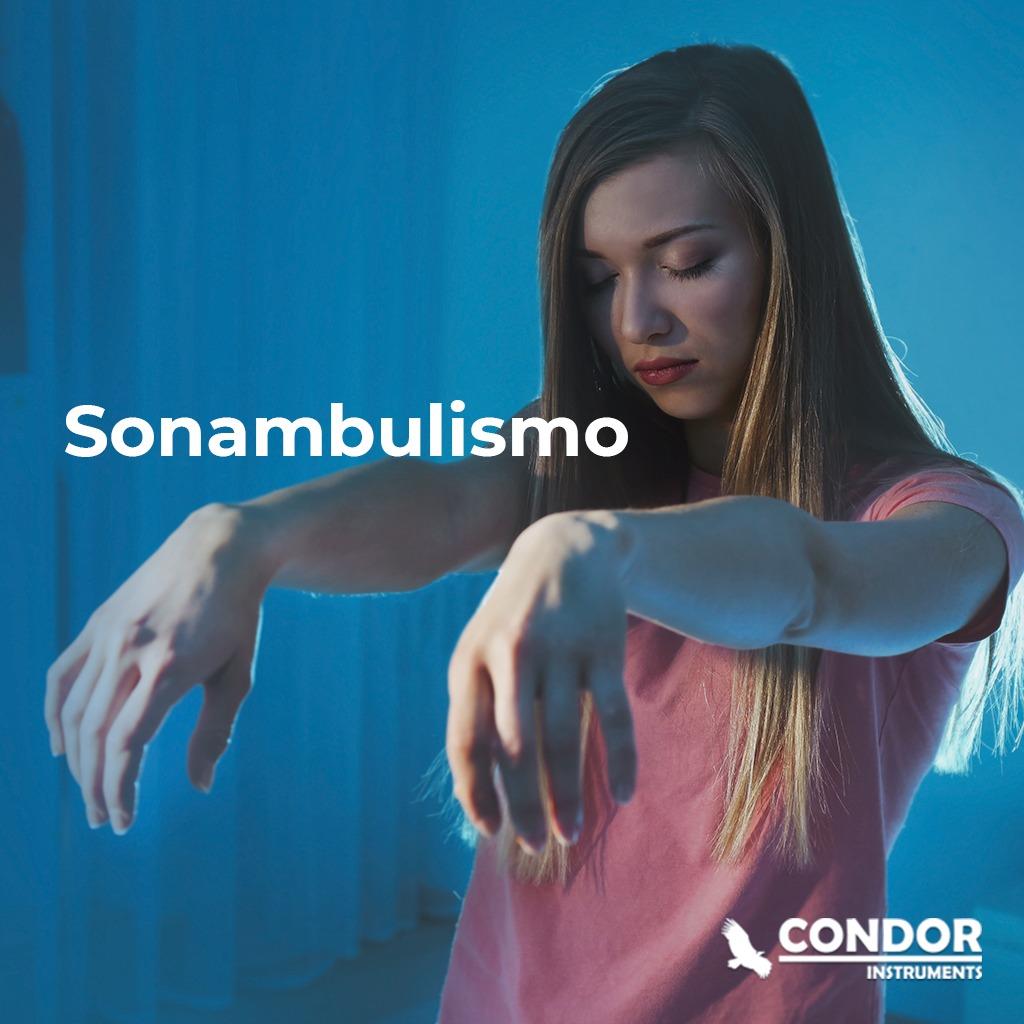
Sleepwalking is also a sleep disorder with no known cause. It manifests itself during the deepest stage of sleep, through motor activities without the person’s awareness. This happens because the brain functions remain asleep, but the person is in a transitional stage between sleep and wakefulness. The next day, the sleepwalker remembers nothing of what happened.
Anyone of any age can suffer from sleepwalking, but it mainly affects children up to the age of 12 or 13. Curiously, in the past it was believed that waking up a sleepwalker during an episode of sleepwalking would be enough to cure them once and for all. The fact is that the best thing to do is to get the person back into bed, that’s all.
Sleepwalkers can sit up in bed, close or open doors and windows and even go to the toilet or eat something, all without the slightest awareness. In general, these actions are routine, without interference from the brain, which can lead to accidents. There are many cases, for example, of sleepwalkers who have cut themselves with a knife while preparing food. These are uncommon, but there are cases of people walking down the street or even driving a car.
Can sleepwalking be treated?
The predisposing factors for sleepwalking are sleep deprivation, psychiatric disorders (such as depression and anxiety), breathing problems, alcohol and other drug use, a full bladder and unpleasant noise and temperature at bedtime. This sleep disorder is considered a benign disorder that can disappear spontaneously.
Treatment is only proposed by the doctor when the episodes are very frequent and pose a risk of accidents or embarrassment for the patient. Relaxation techniques and psychotherapy are used, but the doctor may also prescribe medication in some cases. It is recommended to lock doors and windows, remove keys from locks, block access to stairs and keep the environment tidy so that the sleepwalker doesn’t trip or bump into objects that could hurt them.
Restless legs syndrome, what it is and how to treat it
Also known as Ekbom Syndrome, restless legs syndrome is characterized by changes in sensitivity and involuntary motor agitation of the legs, but in more severe cases it can also affect the arms. Most of the time, the symptoms appear at night, disrupting the person’s sleep. As a result, the sufferer has a drowsy day and feels tired and irritable.
This disease greatly compromises quality of life. Often, the sufferer can’t even go to the cinema or the theater, or even go on long trips. The main symptoms are: discomfort and the need to move the legs, pain, tingling, goose bumps and stitches. The cause is not yet known, but scientists explain that there is a genetic predisposition and a deficiency of dopamine and iron in the motor areas of the brain.

The diagnosis is predominantly clinical, but the doctor may order a polysomnography and a blood test for ferritin and tranferrin. These substances are responsible for transporting iron in the blood, hence the request for a test. It’s worth noting that this syndrome can affect people of all ages, but is rare in childhood.
Treatment is based on medication, which depends on the severity of the case. It is strongly recommended not to consume caffeine, alcohol or cigarettes.
Bruxism
Involuntary teeth grinding, jaw pain and tooth wear are the main characteristics of bruxism. It is a functional disorder, the most severe cases of which can lead to bone problems in the gums. Bruxism is linked to genetic factors and stress, anxiety and physical problems with occlusion or inadequate mouth closure.
When it happens during the day, this sleep disorder is called brychism. Those affected by it may also suffer from pain and ringing in the ears, pain in the neck and facial muscles. The diagnosis is clinical, but the doctor or dentist may request a polysomnography.
There is no totally effective treatment for bruxism, but anxiolytic drugs are used to control stress. In general, doctors or specialized dentists recommend the use of flexible silicone interocclusal plates or rigid acrylic plates. These are molded according to the shape of the patient’s dental arch and help reduce the friction caused by bruxism.
Using actigraphy to treat sleep disorders
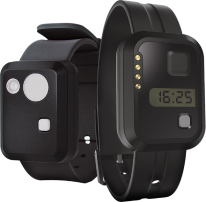
Also known as actimetry, actigraphy is a method of monitoring cycles of activity and rest, capturing, compiling and processing information to study the rhythm of sleep and wakefulness. Actigraphy is carried out using an actigraph.
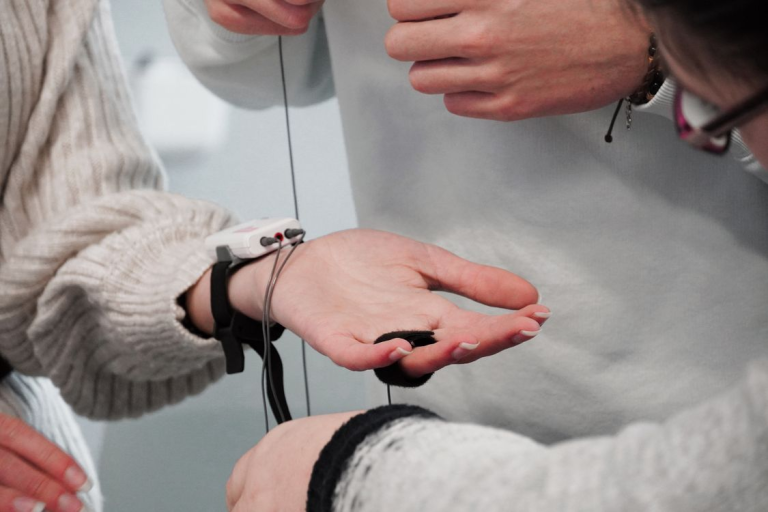
Many actigraph models look very similar to a wristwatch, which is worn on the person’s non-dominant arm. The device basically records and compiles the individual’s movement using accelerometers, and more modern devices have temperature and light sensors, among others, which contribute even more to the device’s analysis.
Actigraphy detects sleep disorders and circadian rhythmicityIt evaluates sleep quality, quantifies time in bed, indicates sleep episodes during the day and is used for studies in the field of sleep medicine, but also in psychiatry, occupational medicine, behavioral psychology and other areas where circadian rhythmicity plays a fundamental role in the study of disorders.
Conclusion
Only duly qualified professionals can diagnose and treat sleep disordersIt is extremely important to seek help in order to restore the quality of your sleep. It never hurts to remember that a good night’s sleep is a basic condition for our health.
The most varied sleep disorders affect the quality of our sleep and that of those who sleep with us. The biggest problem, however, is the lack of awareness of the need for treatment, as the disease can progress and have fatal consequences. Treating snoring as just a nuisance is a mistake.
There are treatments and solutions for all sleep disorders. And the first step, without a doubt, is to recognize that there is a problem and that you need help from a specialist.