

Sleep and immunity. What is the relationship and how can you be healthier by sleeping?
What research says about how we can improve our immune system through adequate sleep.

There are several studies, carried out in the most respected research centers around the world, which support this claim and prove that there is a relationship between the sleep and immunity. When we sleep, our body replenishes not only the energy expended throughout the day, but also the energy expended by our immune system when it fights disease.
How can we be healthier by sleeping?
Our body needs energy to function. Calories, proteins, vitamins and other substances are essential for our body to build up its defenses against external agents, be they viruses or bacteria.
It turns out that our immune system creates “soldier cells” (such as T and B lymphocytes) and releases cytokines that have anti-inflammatory functions that attack and destroy external agents such as viruses. But in the process, these cells are also often destroyed and need to be replaced.
This replenishment takes place precisely when we are asleep, because it is during the time when our body is least active that the immune system can carry out these functions most efficiently.
In addition, it is during sleep, and its distinct phases, that other events of great importance for our immunity take place:
✓ Hormone production such as melatonin, or “sleep hormone”, which regulates our biological clock, and GH, known as growth hormone;
✓ Metabolization of free radicals;
✓ Recomposition cardiorespiratory functions;
✓ Restoration tissues and increased muscle mass;
It’s when we sleep that the immune system “puts the house in order” and immunity is rebuilt so that we can face the next day in better spirits and health. And this is one of the reasons why rest periods are so important.
What happens to our immunity when we don’t sleep well?
When we don’t sleep well, the production of antibodies is impaired and the cells that were used to fight the invasion of disease-causing viruses are not replenished, so they continue to replicate at a faster rate than the production of fighting agents, delaying the healing process or even aggravating the symptoms.
In addition, according to information from the Sleep Institute of São Paulo, when we sleep for a time that is considered less than ideal, the production of cortisol in our body increases, a hormone linked to stress which, in excess, decreases the defense reaction against foreign agents in the body.
And more:

- A study carried out by the Sleep Institute found that antibody production drops by half in people who have been vaccinated against hepatitis;
- An article by the University of California, USA, indicated that the risk of catching a cold is 4.5 times higher in people who don’t sleep at least five hours a day;
- According to researchers from the Federal University of São Paulo (Unifesp), lack of sleep generates an inadequate immune responseThis makes the body more susceptible to infectious diseases;
- The Unifesp researchers also point out that in addition to vulnerability to colds and flu, sleep deprivation increases the incidence of different types of cancerr, such as breast, lung and prostate cancer, as well as cardiovascular disease.
The period of sleep deprivation doesn’t have to be long for the negative impact on immunity to occur.
It’s clear that long, consecutive nights of poor sleep or complete insomnia can be very damaging to our health, but when it comes to our immune system, anyone who thinks that problems related to immunity only arise after long periods, whether days or weeks, of poor sleep is mistaken.
In fact, there are several studies that show that only a poor night’s sleep already has a negative impact on our immunity.
One of them, published by JAMA in 2002, found that the immune response to vaccines against the Influenza A virus fell by about 50% in volunteers who had only one night of sleep restriction, i.e. their sleep time was reduced, compared to those with normal sleep conditions.
In addition, there are events in the stages of sleep which can have a negative influence on it, not allowing the body to relax and the immune system to recover efficiently.
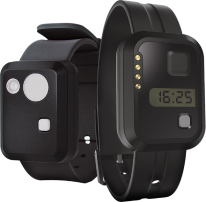
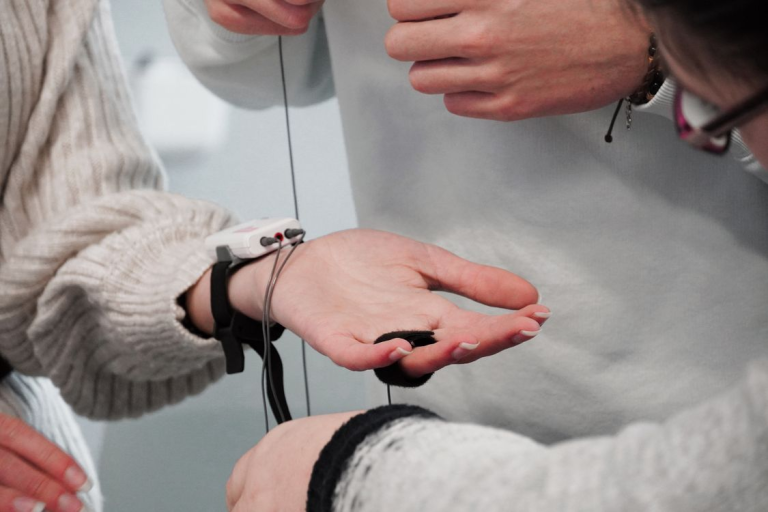
These events are diverse in type and cause and sleep tests, such as actigraphy, can collect data over long enough periods to identify what is actually happening while you sleep.
What are the stages of sleep?
There are four: phase 1, 2, 3 and the fourth phase, called REM. Rapid Eye Movement (Rapid Eye Movement, known as paradoxical sleep). Each phase takes up an average portion of the total sleep time and in them events take place in our organism aimed at regulating the functioning of our body and fixing learning processes, for example.
| SLEEP PHASE | DURATION | WHAT HAPPENS IN IT | WHAT HAPPENS IN THE BODY |
| PHASE 01 | 10% night’s sleep | Transition between wakefulness and sleep. The release of melatonin begins when it gets dark, inducing drowsiness. | |
| PHASE 02 | 45% night’s sleep | Reduced heart and respiratory rate, relaxed muscles and lower temperature. It’s the lightest sleep. | Energy saving Tissue restoration Increased muscle mass GH hormone release |
| PHASE 03 | 25% night’s sleep | Metabolism drops, the heart beats slower and breathing becomes lighter. | |
| REM | 20% night’s sleep | Dreams occur and the day’s information is processed. There is a rush of adrenaline and spikes in heart rate and blood pressure (also caused by nightmares). | Consolidation of memory and learning |
Finalizing
As we’ve seen throughout this article, the cause of our colds and flu, which rob us of energy and energy, can be directly linked to the quality of our sleep. But it’s always good to remember that a cause and not a cause. The fact is that with a well-functioning immune system, we can get rid of a number of illnesses and be prepared for more severe ailments.
This underlines the importance of quality sleep for immunity and physical and mental well-being as a whole. So, if you have trouble sleeping, sleep too little, or feel that even when you do sleep you wake up tired, see a doctor, pay special attention to this, a good night’s sleep is, literally, a way of solving a series of problems by sleeping.
See you next time.

https://condor.fabbricaweb.com.br/contato/