


Actigrafia has been around for decades, yet many clinicians still think of it as just a sleep-tracking wristwatch. That limited view means you could be missing out on valuable data that can strengthen clinical decisions and improve outcomes for patients. If you’re only using actigraphy for basic sleep-wake tracking, it’s time to take a second look. Here are five key things most clinicians don’t know about actigraphy—but should.
1. It’s Not Just for Sleep Studies Anymore
Actigraphy has expanded far beyond the realm of sleep research. While it’s still a go-to tool for monitoring sleep patterns, clinicians in neurology, psychiatry, and even pain management are using actigraphy data to assess mood disorders, ADHD, chronic fatigue, and fibromyalgia. In psychiatry, for example, irregular activity-rest cycles can provide insight into depressive episodes or manic behaviors. When used this way, actigraphy becomes more than a passive tool—it actively informs diagnosis and treatment strategies.
2. Actigraphy Captures Real-World Data That PSG Misses
Polysomnography (PSG) is considered the gold standard, but let’s face it—it’s a snapshot taken in an artificial setting. Actigraphy offers a way to capture sleep-wake behavior over days or weeks in the patient’s actual environment. This kind of data reveals patterns disrupted by real-life stressors, poor sleep hygiene, or inconsistent routines. For conditions like insomnia, this kind of long-term, real-world data often paints a more honest picture than a single night in a lab.
3. It’s Better at Identifying Circadian Rhythm Disorders
Actigraphy’s strength lies in its ability to track rhythms over time. That’s a game-changer when it comes to identifying circadian rhythm sleep disorders like delayed sleep phase disorder or non-24-hour sleep-wake disorder. These conditions are frequently missed during PSG or overlooked altogether during short consultations. But with actigraphy, irregularities in timing, activity, and light exposure become clear, giving you diagnostic clarity that would otherwise be hard to get.
4. Actigraphy Supports Treatment Monitoring—Not Just Diagnosis
Most clinicians stop using actigraphy once a diagnosis is made. That’s a missed opportunity. Whether you’re testing the effectiveness of cognitive behavioral therapy for insomnia (CBT-I), melatonin for circadian rhythm adjustment, or sleep hygiene changes, actigraphy can objectively show whether the intervention is working. Instead of relying on subjective sleep diaries, you can see data trends and adjust treatment accordingly.
5. Environmental Sensors Can Strengthen Your Analysis
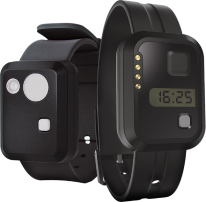
Modern actigraphs go beyond just measuring motion. Devices like the ActTrust 2 and ActLumus track temperature, light exposure, and skin contact. These added layers help you identify external factors that impact sleep and activity, like screen time before bed or ambient temperature changes. With these variables in play, you can isolate causes of poor sleep that aren’t obvious from activity data alone.

Don’t Underestimate What Actigraphy Can Do
If you’re only scratching the surface with actigraphy, you’re leaving useful data—and better patient care—on the table. From circadian rhythm tracking to treatment evaluation, actigraphy offers insights that most clinicians aren’t using to full effect.
To see how advanced Actigrafia devices like the ActTrust 2 can support your clinical goals, check out Condor Instruments and learn how you can get more from every data point.
Contact them to learn more.