


Advanced Actigraphy is revolutionizing the way sleep professionals diagnose and manage sleep disorders. As an effective alternative to traditional methods, Actigrafia provides detailed data on movement, activity, and light exposure, making it a critical tool for both researchers and clinicians. Devices like those offered by Condor Instruments deliver continuous, non-invasive monitoring, offering an unparalleled level of precision in identifying sleep disorders.
What is Advanced Actigraphy?
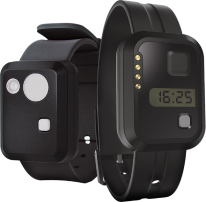
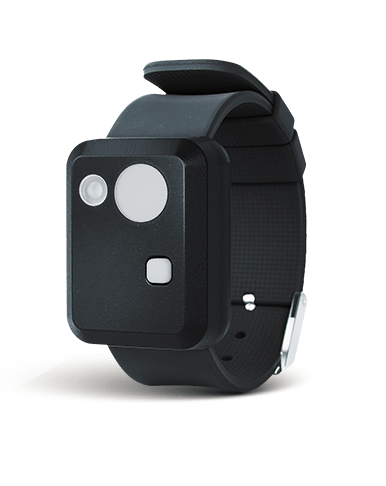
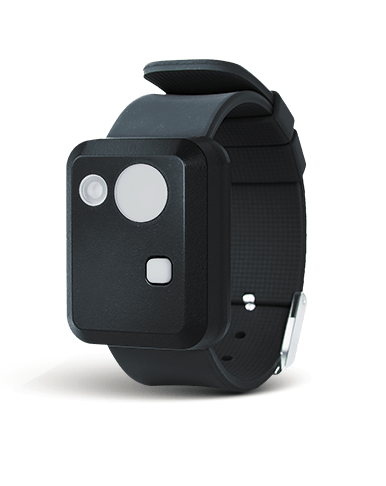
Advanced actigraphy refers to the use of wearable devices, such as an Actigraph, which track and record movement patterns, light exposure, and other environmental factors. These devices help in understanding sleep-wake cycles by collecting detailed, real-world data over extended periods. This type of data is particularly valuable when diagnosing disorders like insomnia, sleep apnea, or circadian rhythm disorders, which often require long-term observation.
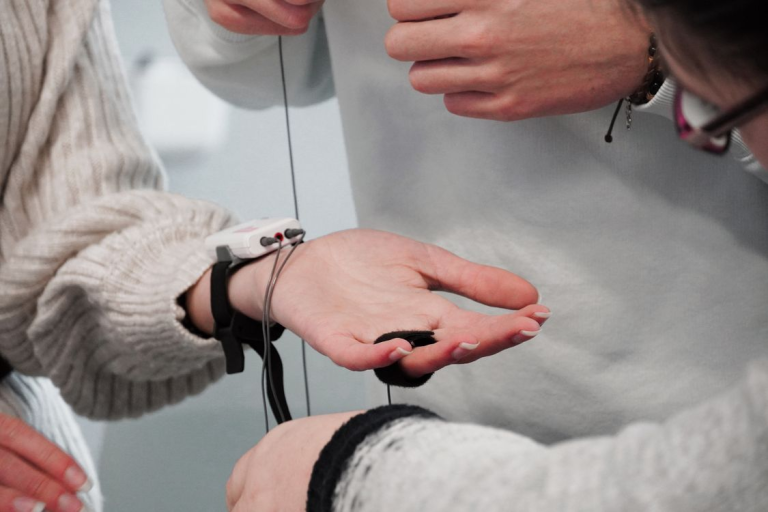
By wearing a wrist actigraphy device, patients can maintain their normal routines while the actigraphy monitoring devices record essential data. The Actigraph is widely recognized for its precision, ease of use, and ability to provide continuous monitoring without requiring the patient to be confined to a sleep clinic. This makes actigraphy a preferred method for many sleep professionals.
The Role of Light and Activity in Sleep Disorders
One of the primary strengths of advanced actigraphy lies in its ability to monitor both activity and light exposure. Light plays a crucial role in regulating circadian rhythms, which are responsible for the body’s sleep-wake cycle. Exposure to the wrong type of light at inappropriate times can disrupt these rhythms, leading to sleep disorders.
Devices equipped with Melanopic Light Sensors and Melanopic EDI Sensors are especially useful in these cases. These sensors measure the type and intensity of light that affects the circadian system, enabling sleep professionals to determine how light exposure may be influencing a patient’s sleep patterns. Combined with activity tracking, this information provides a comprehensive overview of both environmental and behavioral factors contributing to sleep issues.
Benefits of Actigraphy Over Traditional Methods
While polysomnography (PSG) is often considered the gold standard for diagnosing sleep disorders, it has limitations. PSG requires patients to spend the night in a sleep clinic, which may not represent their natural sleep environment. In contrast, actigraphy allows for at-home, long-term monitoring, which is more likely to capture the patient’s true sleep behavior. This makes it an invaluable tool for diagnosing chronic sleep issues or those influenced by lifestyle factors.
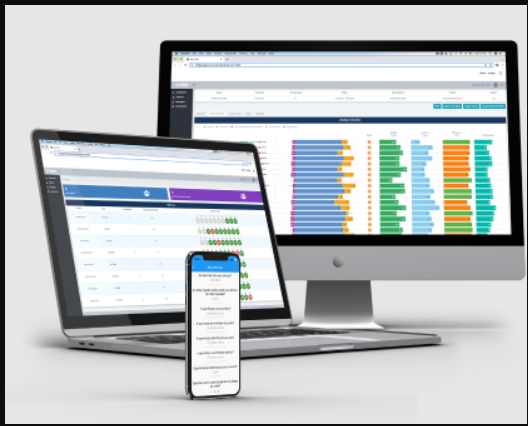
Os Diário do sono Aplicativo, offered by Condor Instruments, complements advanced actigraphy by enabling patients to log subjective sleep experiences alongside the objective data gathered by the wrist actigraphy device. The combination of this data helps professionals assess both the physical and psychological factors affecting sleep. This dual approach improves the accuracy of diagnoses and enhances treatment outcomes.
Conclusão
As the landscape of sleep disorder diagnosis evolves, advanced actigraphy is proving to be a game-changer. Devices like the Actigraph from Condor Instruments offer sleep professionals a non-invasive, long-term monitoring solution that provides unparalleled insights into sleep-wake cycles, activity levels, and light exposure. When paired with digital tools like the Sleep Diary App, actigraphy offers a holistic view of a patient’s sleep health, allowing for more accurate diagnoses and better management of sleep disorders.
Unlock the potential of advanced Actigrafia with Condor Instruments’ cutting-edge solutions. Explore our ActLumus, ActTrust, and Sleep Diary apps to enhance your sleep disorder diagnosis and management. Contact Condor Instruments to learn how our advanced tools can transform your approach to sleep health.