


Sleep paralysis is a disturbing and often frightening experience, but it frequently goes undiagnosed. This condition occurs when a person temporarily loses the ability to move or speak while falling asleep or waking up, typically accompanied by vivid hallucinations. The fleeting nature of these episodes often makes it difficult for patients to accurately recall the event, and as a result, diagnosis can be challenging. This is where Actigrafia, a non-invasive monitoring technology, becomes invaluable for both clinicians and patients.
Understanding Sleep Paralysis and Its Challenges
Paralisia do Sono is linked to disrupted sleep stages, particularly during the transition between rapid eye movement (REM) sleep and wakefulness. These disruptions can occur due to various factors such as stress, sleep deprivation, and underlying sleep disorders. The primary challenge in diagnosing sleep paralysis is the inability of patients to provide consistent and detailed reports of their episodes. Since episodes are often brief and may occur sporadically, it can be difficult to differentiate them from other sleep disorders, such as nightmares, REM sleep behavior disorder, or even other forms of parasomnia.
How Actigraphy Helps Document Sleep Paralysis Episodes
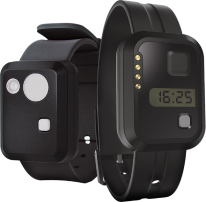
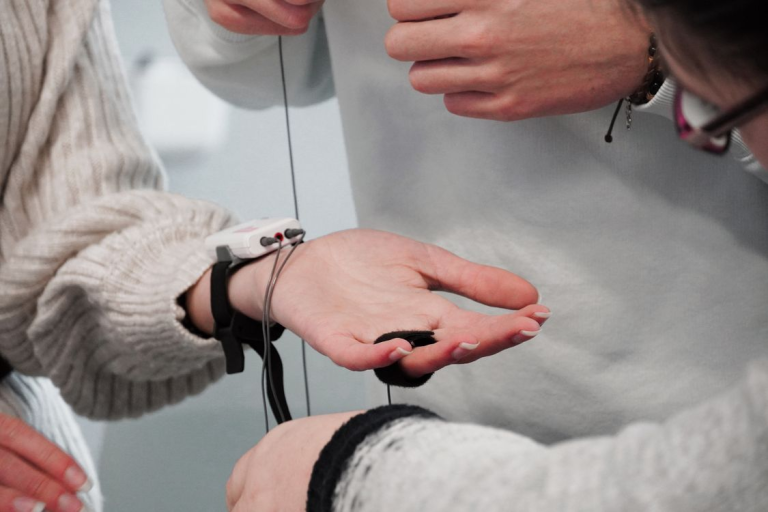
Actigraphy offers an effective solution for diagnosing sleep paralysis by providing continuous monitoring of a patient’s sleep patterns. An actigraph device, typically worn on the wrist like a watch, records movement throughout the night, allowing healthcare providers to monitor the sleep stages and pinpoint any abnormal activity that could be related to sleep paralysis episodes. By tracking periods of immobility during the night, clinicians can identify potential episodes of sleep paralysis.

Tracking Sleep Patterns and Identifying Disturbances
The data captured by actigraphy devices provide valuable insights into the frequency and timing of sleep paralysis episodes. By observing movement patterns and sleep disruptions, clinicians can identify periods of immobility that may align with sleep paralysis episodes. While actigraphy does not measure REM sleep directly, it helps track sleep-wake cycles and detect abnormalities that could indicate disrupted transitions between sleep stages. By combining actigraphy data with sleep diaries or additional assessments, clinicians can gain a more complete picture of sleep disturbances and distinguish sleep paralysis from other conditions with similar symptoms.
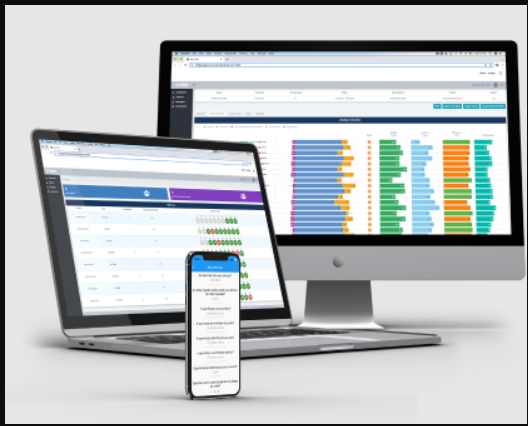
Moreover, sleep diary apps and sleep journal software can be synchronized with actigraphy devices to provide an even more comprehensive analysis of sleep disturbances. These tools allow patients to document subjective experiences, such as hallucinations or feelings of paralysis, which can be combined with objective data collected from actigraphy monitoring.
The Benefits of Using Actigraphy for Diagnosis and Treatment
Actigrafia allows healthcare providers to gain an objective, data-driven understanding of a patient’s sleep patterns. This technology eliminates the guesswork that often surrounds sleep disorders, including sleep paralysis. With detailed data in hand, clinicians can provide more accurate diagnoses and develop tailored treatment plans that address the root causes of sleep paralysis.
In addition to diagnosis, actigraphy plays a crucial role in monitoring the effectiveness of treatment. By tracking the patient’s sleep patterns before and after interventions, such as cognitive behavioral therapy (CBT) or medication, clinicians can assess whether the treatment is improving the quality of sleep and reducing episodes of sleep paralysis.
How Condor Instruments Can Help in Sleep Disorder Diagnosis
Condor Instruments provides advanced actigraphy devices that are ideal for monitoring sleep disorders like sleep paralysis. With a range of products, including the ActLumus e a ActTrust 2, Condor Instruments equips healthcare professionals with the tools needed to accurately track sleep behaviors, analyze data, and make informed treatment decisions. Our sleep journal apps e a software ActStudio enable clinicians to efficiently process and interpret data, enhancing the overall diagnostic and treatment experience.
Explore our range of Actigrafia devices and discover how they can improve your diagnostic accuracy and treatment outcomes. Contact Condor Instruments today to learn more.