

Shift work is essential in industries such as healthcare, transportation, law enforcement, and manufacturing. However, working irregular hours disrupts the body’s natural sleep-wake cycle, often leading to sleep disturbances, fatigue, and long-term health issues. Traditional sleep studies, such as polysomnography, can be impractical for shift workers who need assessments in their real-world environment. This is where Actigrafia becomes a valuable tool, allowing for non-invasive, long-term sleep monitoring to detect disturbances and improve sleep quality.
The Impact of Shift Work on Sleep Health

The human body follows a natural ritmo circadiano, which regulates sleep and wakefulness. When individuals work late-night, rotating, or early morning shifts, this rhythm is disrupted, leading to:
- Difficulty falling or staying asleep
- Reduced sleep duration and quality
- Sonolência diurna excessiva
- Increased risk of sleep disorders such as Shift Work Sleep Disorder (SWSD)
These disturbances not only affect productivity and cognitive function but also contribute to long-term health problems, including cardiovascular disease, obesity, and mental health issues. Detecting and managing sleep disruptions in shift workers is crucial for their well-being and job performance.
How Actigraphy Helps Detect Sleep Disturbances
1. Continuous Sleep Tracking in Real-World Settings
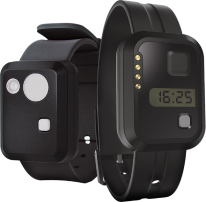
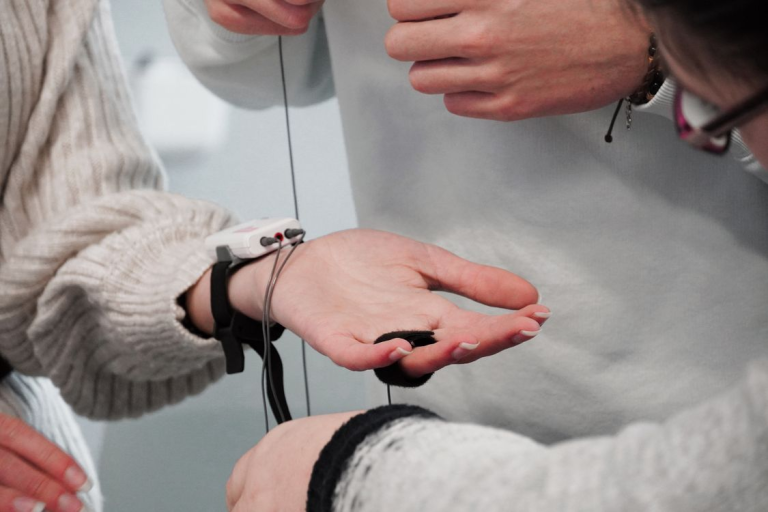
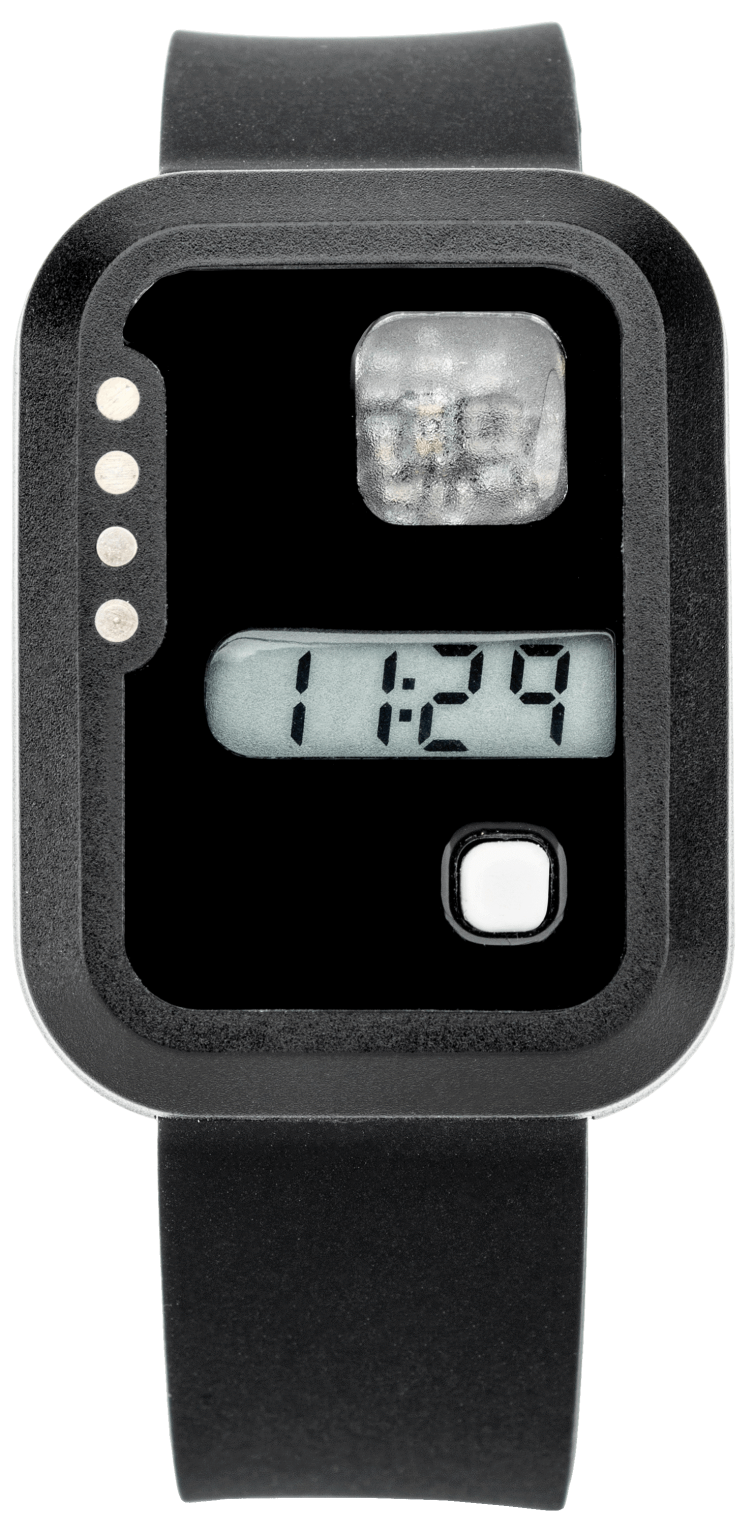
Unlike traditional sleep studies conducted in a lab for a single night, Actigrafia allows shift workers to monitor their sleep over dias ou semanas. Actigraphy watches are wrist-worn devices that track movement to determine sleep-wake patterns, offering valuable insights into total sleep time, sleep efficiency, and nocturnal awakenings. This long-term data helps researchers and healthcare providers assess how shift schedules impact an individual’s sleep quality.
2. Identifying Irregular Sleep Patterns
Many shift workers experience fragmented sleep, struggling to achieve deep, restorative rest. actigraphy monitoring devices detectar:
- Frequent awakenings throughout the night
- Irregular sleep durations across different workdays
- Delayed or inconsistent sleep onset
By identifying these patterns, actigraphy helps individuals and employers develop customized strategies to improve sleep, such as optimizing shift rotations or creating better sleep environments.
3. Assessing the Effectiveness of Sleep Interventions
Once sleep disturbances are detected, shift workers can implement strategies such as:
- Using blackout curtains and white noise machines to create an optimal sleep environment.
- Adjusting light exposure to regulate circadian rhythms.
- Incorporating scheduled naps to minimize fatigue.
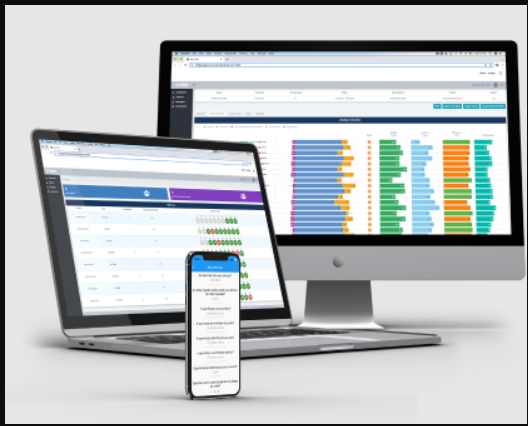
Actigrafia permite ongoing monitoring, helping individuals track their progress and adjust interventions as needed.
The Future of Actigraphy in Shift Work Management
As industries recognize the importance of sleep for worker productivity and health, actigraphy monitoring devices will play a larger role in shift work management. By providing non-invasive, real-world data collection, actigraphy helps employers and workers create schedules and habits that promote better sleep health.
Conclusão
For shift workers, Actigrafia offers a practical, science-backed solution for detecting and managing sleep disturbances. With long-term sleep tracking, real-time data, and personalized intervention strategies, actigraphy is an essential tool for improving sleep health in an ever-evolving workforce.
Revolutionize Worker Health with Actigraphy Watches from Condor Instruments
Enhance shift worker sleep tracking with actigraphy watches, wrist actigraphy devices, and actigraphy monitoring devices from Condor Instruments. Detect sleep disturbances, optimize rest, and improve performance. Explore Actigrafia devices for sale today and support healthier, more productive employees with cutting-edge sleep technology. Contact us now to learn more.