

Sleep disturbances are a common and debilitating issue for individuals living with chronic pain. Poor sleep not only intensifies pain perception but also negatively affects mood, mobility, and overall well-being. As healthcare providers search for better ways to understand and address this cycle, actigraphy watches have emerged as a reliable, non-invasive solution for tracking sleep in real-world settings.
What Are Actigraphy Watches?
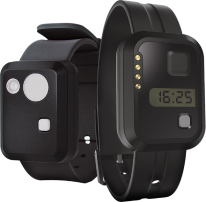
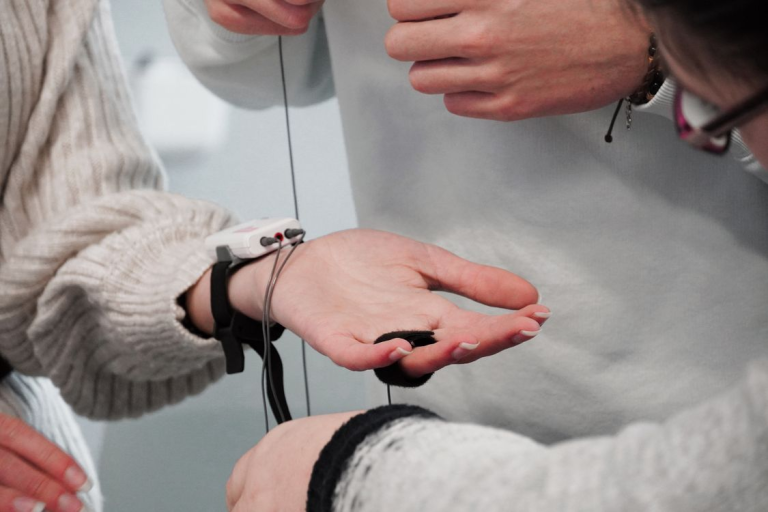
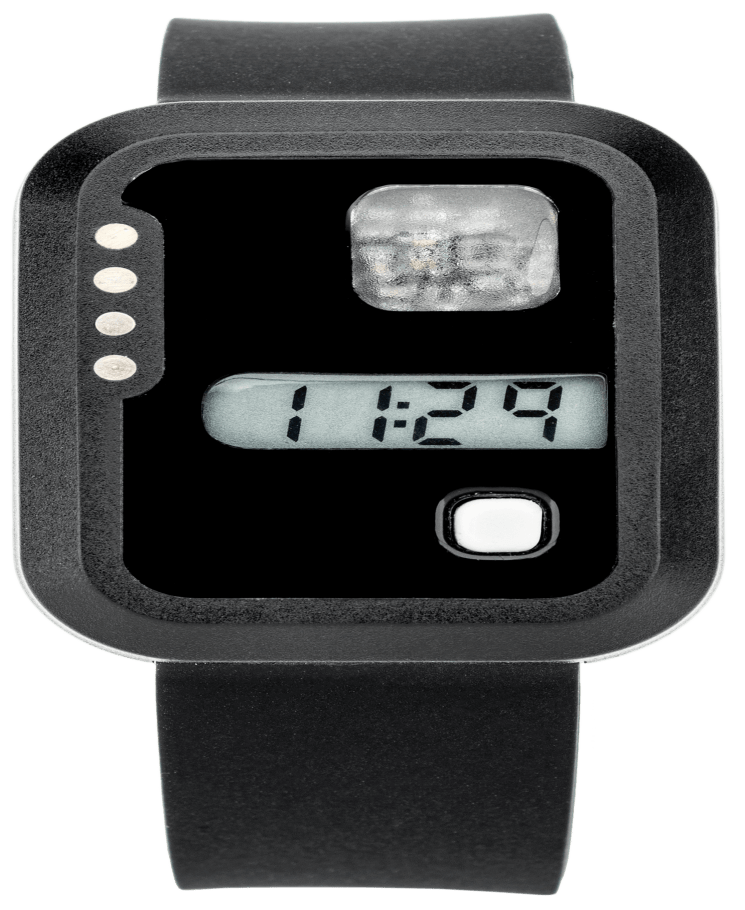
Actigrafia watches are wearable devices that monitor rest-activity cycles by detecting motion, usually via an accelerometer. Worn on the wrist, these devices collect continuous data over days or weeks, offering insights into sleep duration, sleep efficiency, nighttime awakenings, and circadian rhythm disruptions. Unlike overnight sleep studies that capture data in a lab for a single night, Actigrafia provides a long-term view of sleep behaviors in a patient’s natural environment.
This makes them ideal for monitoring chronic pain patients, whose symptoms can vary significantly from night to night and are often influenced by factors such as stress, medications, and physical activity.
The Sleep-Pain Connection

Chronic pain and poor sleep are closely linked in a negative feedback loop. Pain makes it difficult to fall and stay asleep, while sleep deprivation heightens pain sensitivity and reduces pain tolerance. This cycle can lead to increased use of pain medications, greater emotional distress, and a lower quality of life.
Understanding a patient’s sleep patterns is critical to breaking this cycle, and that’s where actigraphy watches offer a unique advantage. These devices provide objective, quantifiable data that complements self-reported sleep diaries, which are often influenced by perception or memory lapses.
Improving Treatment Plans with Data
For clinicians, data from Actigrafia watches can enhance the accuracy of treatment decisions. Sleep tracking allows providers to evaluate how pain management strategies—such as medication, physical therapy, or cognitive behavioral therapy—affect sleep quality. They can identify trends, detect the impact of lifestyle changes, and modify treatment accordingly.
Additionally, actigraphy can reveal issues like fragmented sleep or delayed sleep onset that might otherwise go unnoticed. Armed with this information, providers can incorporate targeted interventions such as sleep hygiene education, bedtime routine adjustments, or relaxation techniques aimed specifically at improving sleep.
Empowering Patients Through Self-Monitoring
Actigraphy watches also benefit patients directly. By visualizing their own sleep data, patients become more aware of their sleep habits and how these correlate with pain levels and daily activities. This sense of insight can increase engagement in treatment plans and foster a greater sense of control over their condition.
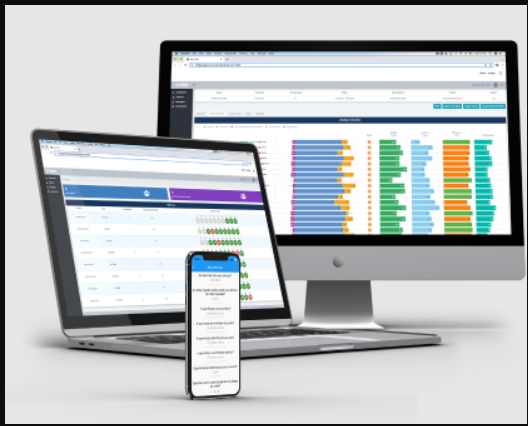
Some devices also integrate with mobile apps, allowing patients to track their sleep patterns alongside pain ratings, medication use, and other health metrics for a holistic view of their well-being.
Final Thoughts
Chronic pain requires a multifaceted treatment approach—and understanding sleep is a crucial part of that puzzle. Actigraphy watches offer clinicians and patients an evidence-based, user-friendly tool for monitoring and managing one of the most overlooked contributors to pain: poor sleep.
Manage Chronic Pain with Insight from Condor Instruments’ Actigraphy Monitoring Devices
Track sleep and activity patterns with actigraphy monitoring devices, actigraphy watches, and sleep journal software. Explore Actigraphy devices for sale at Condor Instruments. Support smarter pain management—shop now or request a demo.