


Struggling to sleep through the night during menopause? You’re not imagining it.
Hot flashes, insomnia, and shifting body clocks are common and exhausting symptoms of midlife hormonal changes. Thankfully, Actigrafia is now helping doctors move beyond guesswork.
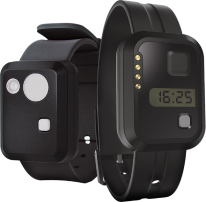
Com os actígrafos da wrist actigraphy devices and light-tracking tools like Melanopic Light Sensors, healthcare providers can now monitor real-life sleep patterns and disruptions over time.
This data offers a clearer picture of what’s happening and why. To elaborate, this blog explores how Actigrafia and menopausal sleep patterns are connected, and how personalized care is finally becoming possible.
The Hormone-Sleep Link in Menopause
During menopause, estrogen and progesterone levels drop; both hormones are known to influence sleep.
Estrogen helps regulate body temperature and serotonin, which is a sleep-promoting neurotransmitter. Whereas, progesterone acts as a natural sedative. Without them, women may experience night sweats, frequent awakenings, and insomnia, especially during the early transition years.
Studies estimate that up to 60% of perimenopausal women report sleep disturbances, a number that climbs as menopause progresses. These disturbances aren’t just frustrating, they’re tied to depression, anxiety, cardiovascular risks, and impaired cognitive function.
Where Actigraphy Comes In
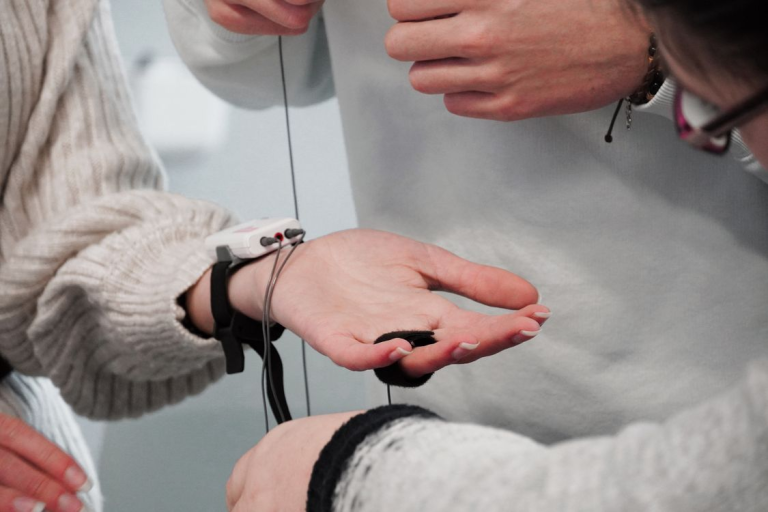
actigraphy monitoring devices offer a non-invasive, real-world solution to sleep tracking. These wearable tools collect data on movement, light exposure, and rest-activity cycles over extended periods without disturbing the user’s natural sleep environment.
Unlike a single-night polysomnography, actigraphy captures long-term patterns and changes in real life. These devices feature built-in light sensors that track circadian light exposure, critical for understanding circadian phase shifts that often affect midlife women.
Night Sweats, Circadian Shifts, and Data-Driven Insight
Muitos menopausal women experience delayed or advanced sleep phase disorders, which means they feel sleepy too early or too late. Actigrafia helps identify these circadian patterns by tracking both activity and light exposure.
Some newer models, like Sensores de EDI melanópico, measure blue light exposure, which can influence melatonin suppression and sleep onset. One can correlate these observations with objective data from actigraphy watches.
Healthcare providers can then use this data to tailor treatment, whether that means recommending hormone replacement therapy, light therapy, or lifestyle adjustments like sleep hygiene strategies.

Understanding Actigrafia and menopausal sleep patterns is essential for advancing care in midlife women. With the help of actigraphy monitoring devices, providers can offer more accurate diagnoses and customized treatments.
When evaluating what actigraphy monitoring devices to choose, consider comfort, battery life, and reliability; all of these are offered by Condor Instruments.
Since 2013, we’ve been dedicated to delivering advanced solutions that simplify and enhance sleep research. With a focus on innovation and precision, our wearable devices bring clinical-grade actigraphy to real-world settings.
Whether you’re tracking circadian rhythms or monitoring menopausal sleep changes, our tools are built to support accurate, data-driven decisions in healthcare.
Wish to try out our products? Contact us today!