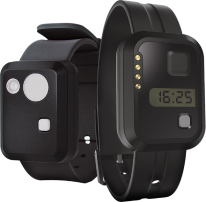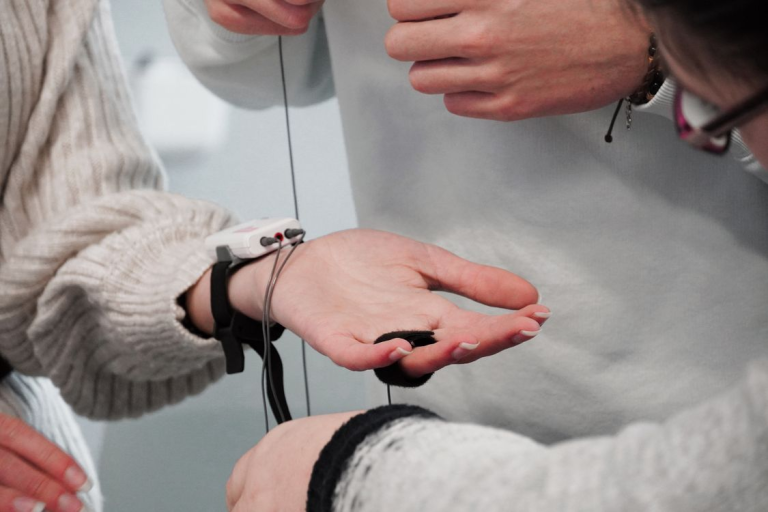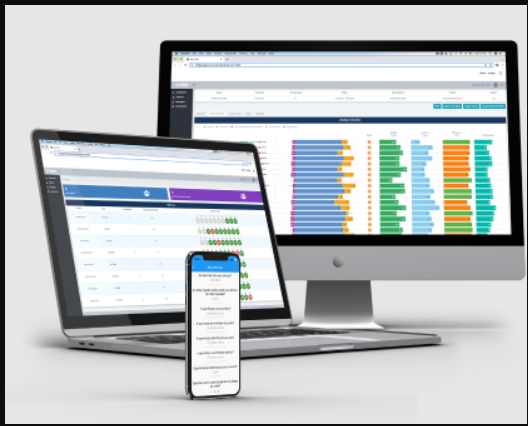



Athletic performance depends not only on intense training but also on effective recovery. Many athletes struggle to balance high workloads with sufficient rest, often relying on subjective feelings of fatigue or readiness. This is where actigraphy offers a competitive advantage. Actigraphy monitoring devices provide continuous, objective data on movement and sleep, helping athletes and coaches understand how daily training loads interact with rest and recovery in real world conditions.
Understanding Actigraphy in Sports Performance
Actigraphy uses wearable sensors, typically worn on the wrist, to track activity levels and sleep patterns over extended periods. Unlike single night sleep tests or isolated performance metrics, actigraphy captures long term trends. For athletes, these trends reveal how training sessions, travel, and competition schedules affect both physical activity and sleep quality.
Because actigraphy is non invasive and easy to wear, it fits seamlessly into demanding training routines without disrupting performance or recovery habits.
Training Load and Activity Patterns
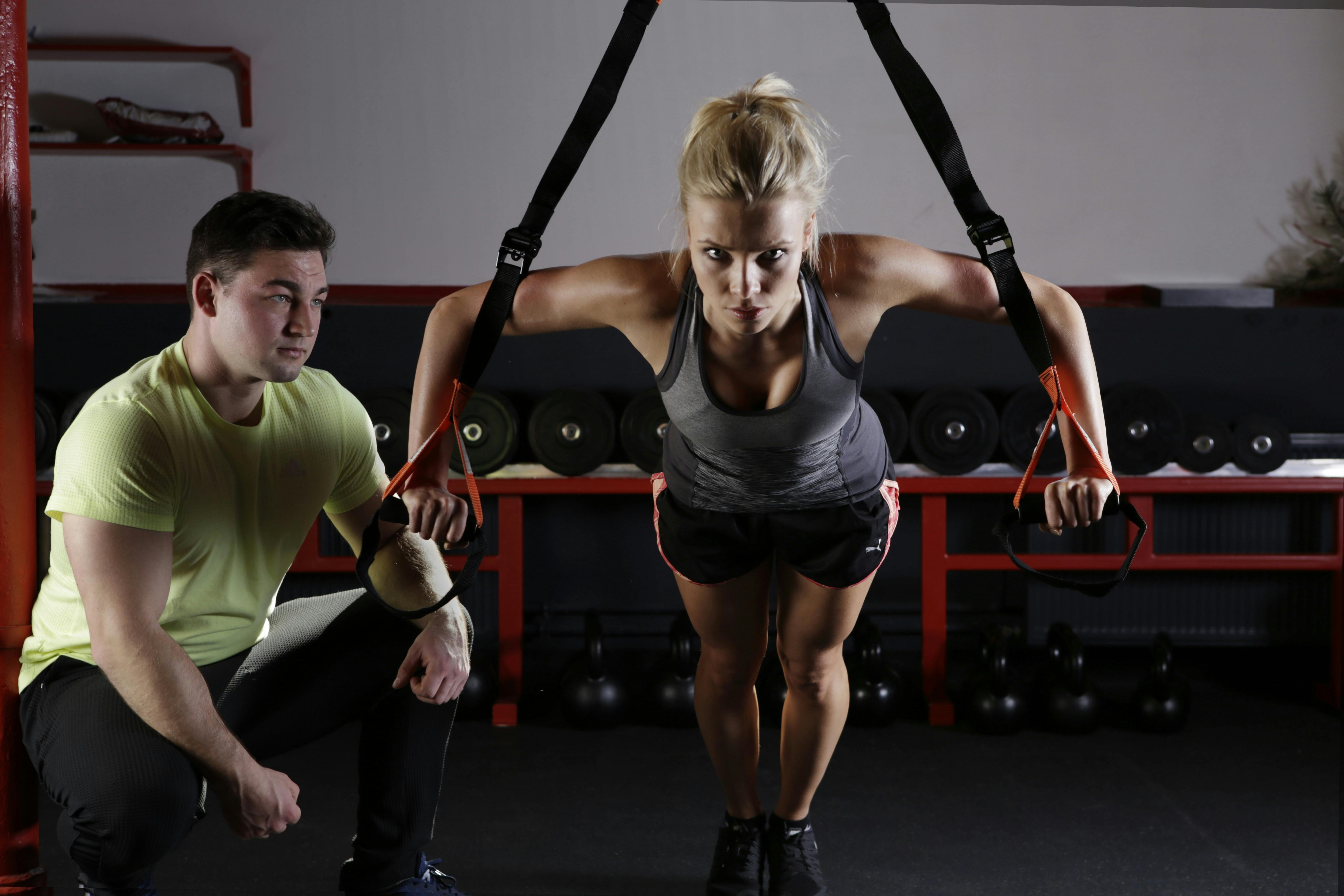
One of the key benefits of actigraphy in athletics is its ability to quantify overall activity patterns. High training volumes, combined with daily life demands, can push total activity levels beyond healthy limits. Actigraphy data highlights cumulative load by showing how much time an athlete spends in different activity intensities throughout the day.
This insight allows coaches to identify periods of excessive strain or insufficient movement. Adjustments can then be made to training plans to prevent overtraining, reduce injury risk, and support consistent performance gains.
Deep Rest and Sleep Quality
Deep, restorative sleep is essential for muscle repair, hormonal balance, and cognitive focus. Actigraphy plays a critical role in assessing sleep duration, timing, and continuity. While it does not replace detailed sleep laboratory studies, it provides reliable estimates of sleep patterns across weeks or months.
For athletes, disrupted sleep often occurs during heavy training blocks or competition travel. Actigraphy can reveal delayed bedtimes, shortened sleep duration, or increased nighttime awakenings. With this information, athletes can implement targeted strategies such as improved sleep routines, optimized training schedules, or light exposure management to protect recovery.
Balancing Stress and Recovery
The true power of actigraphy lies in combining activity and sleep data. When training intensity rises, rest quality must also improve to maintain balance. Actigraphy helps identify mismatches, such as high activity paired with poor sleep, which often precede fatigue and performance decline.
By monitoring these relationships, athletes and support teams can make informed decisions about rest days, tapering periods, and recovery interventions. This data driven approach supports long term athletic development rather than short term gains at the expense of health.
Conclusão
Actigraphy has become an essential tool for athletes seeking to optimize performance through smarter recovery. By objectively tracking training activity and deep rest, it offers clarity in an area often guided by guesswork. As wearable technology continues to evolve, actigraphy will remain a key resource for achieving sustainable performance and peak readiness.
Optimize Training and Recovery with Actigraphy from Condor Instruments
Discover advanced actigraphy monitoring devices and wrist actigraphy device solutions from Condor Instruments to track training load, sleep quality, and recovery trends. Make data driven decisions for optimal performance. Contact us today to get started.